7990-watermark-retirement-communities

Creative Aging with Watermark Communities

Member residents find joy through music, movement, and storytelling together
Galleries showcase resident voices alongside local and national artists
Humor and performance foster resilience and strengthen community bonds
Arts therapies provide healing and connection beyond traditional care models
Creative exchanges link campuses through shared artistry and collaboration
Personalized music restores memory, dignity, and presence for residents
Awe and imagination redefine what it means to call home

Lifelong learning brings new passions and confidence to every stage of life and experience

Rotating Exhibitions & Outreach Programs

Since 2014, SAACA and Watermark Communities have collaborated to introduce integrated arts programming into rehab, assisted living, hospice, independent living, and memory care facilities. This innovative, multi-disciplinary approach significantly enhances senior living, life-long learning, combats isolation, individual cultural profiles for each member, mitigates health regression, and promotes healing and aging, leading to stronger health outcomes for all participants.
Watermark Retirement Communities is one of the nation’s premier senior living operators, known for reimagining aging through creativity, innovation, and personalized care. With communities across the United States, Watermark offers independent living, assisted living, memory care, and skilled nursing that emphasize whole-person wellness. Their signature programs—including creative arts, lifelong learning, and integrative wellness initiatives—foster purpose, joy, and connection for residents. Watermark is recognized for transforming senior living environments into vibrant, engaging communities where individuals thrive.

Over the past 10+ years, Watermark and Art State Arizona have forged new pathways to innovate how we approach aging in diverse communities and neighborhoods. 

Here in Southern Arizona where they are headquartered, Art State Arizona and Watermark Communities have collaborated on programming at The Hacienda at the Canyon, The Hacienda at the River, and The Fountains at La Cholla—offering independent living, assisted living, and memory care, and The Watermark at Oro Valley

We invite you to explore some of the inspiring, dynamic and innovative approaches through this ground breaking partnership have created thriving communities and lifestyles for members at each community. 

Creative aging is a program philosophy that reshapes how we view growing older. At Watermark communities, creative aging means treating every resident as an artist, storyteller, and culture bearer. Residents have opportunities to create, learn, and share every day. The approach addresses real challenges like loneliness, loss of identity, and health decline by positioning creativity as a tool for agency, connection, and wellness.
Through workshops, performances, and everyday acts of expression, residents discover that creativity has no expiration date. A retired musician finds his rhythm again in percussion circles. A woman in memory care writes her first poem in Spanish, moving her husband to tears. Staff discover new dimensions of care when they see a resident not only as a patient, but as a cook, a traveler, or a painter. These seemingly small moments become transformational. They show that aging is a story of continued growth, joy, and contribution.
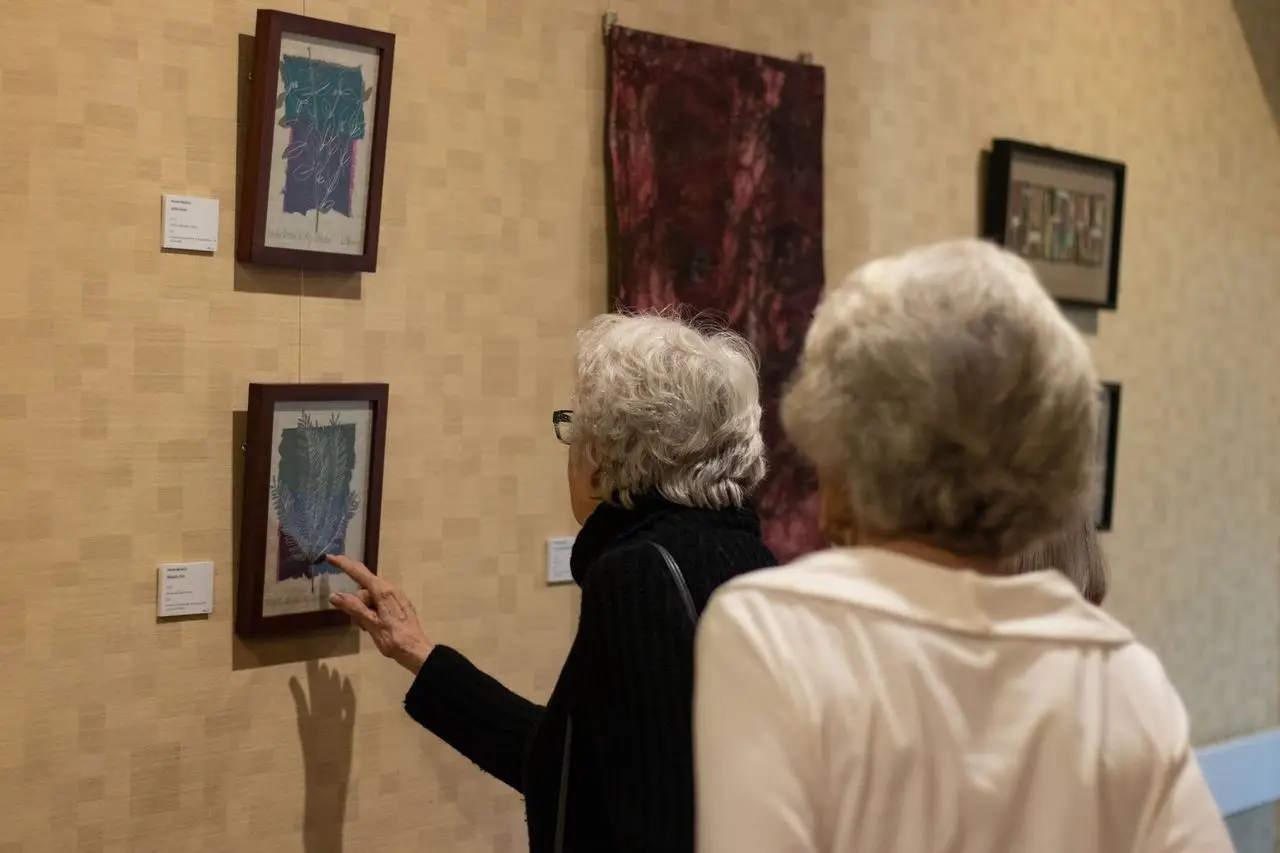
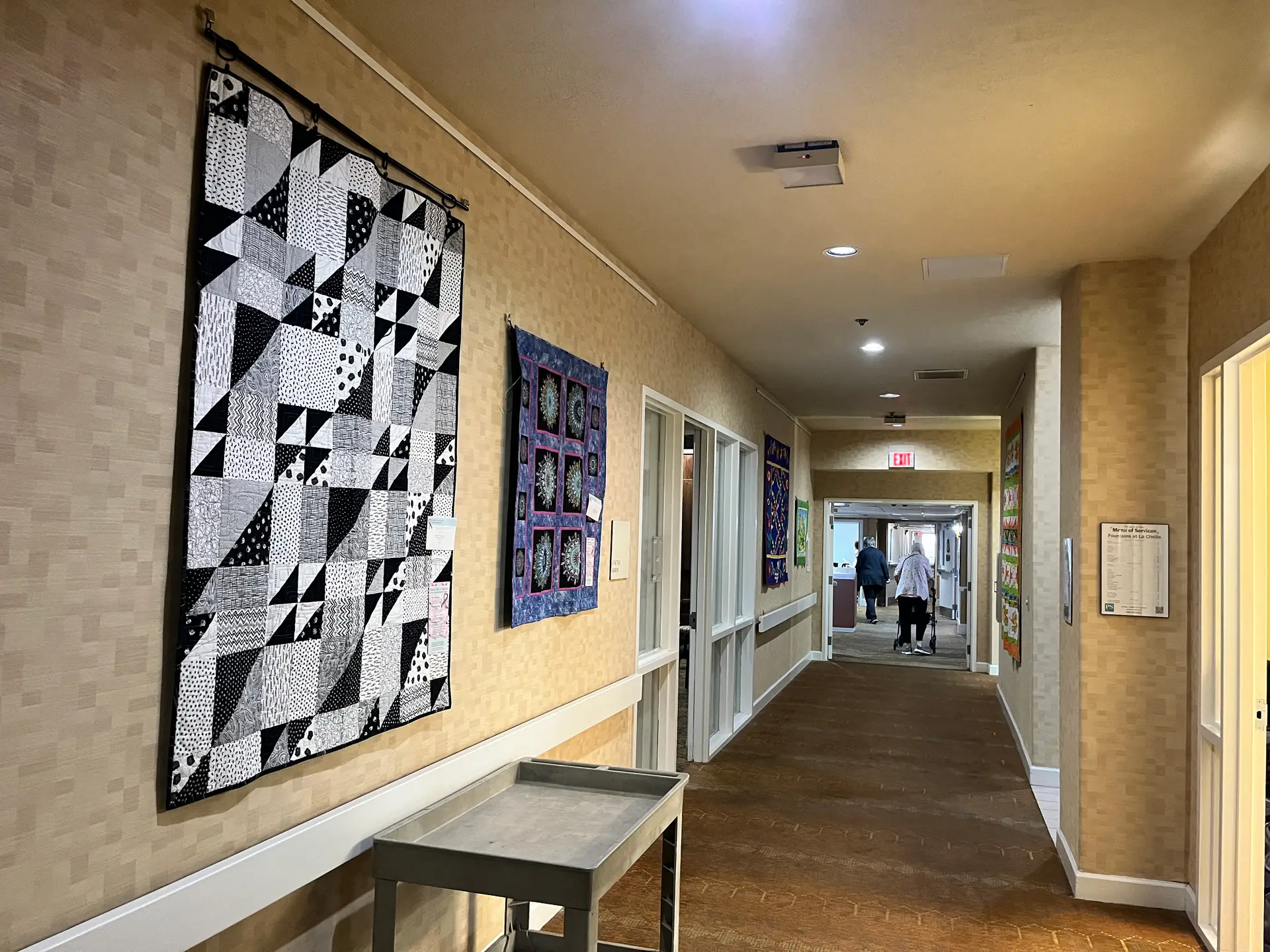
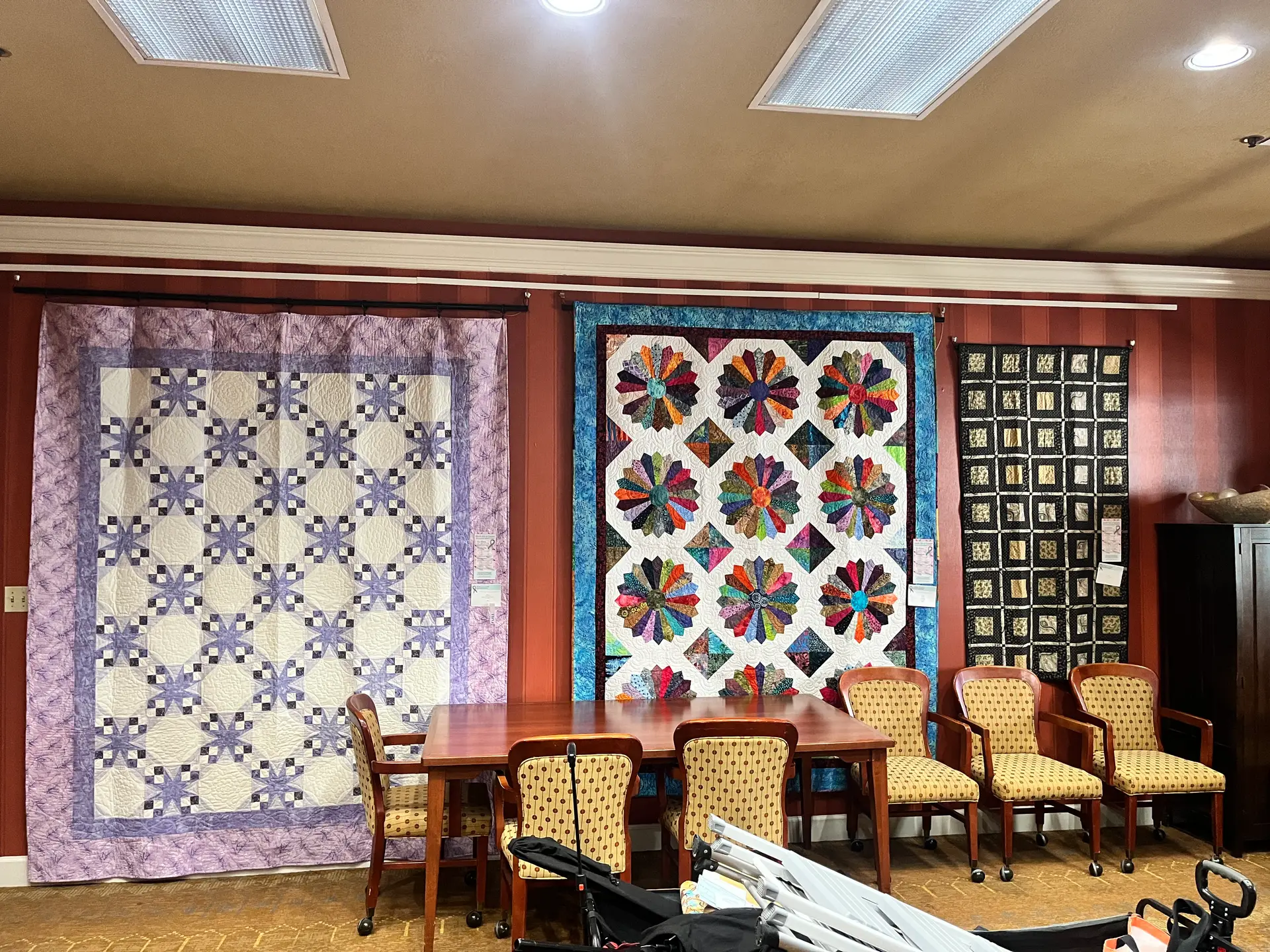
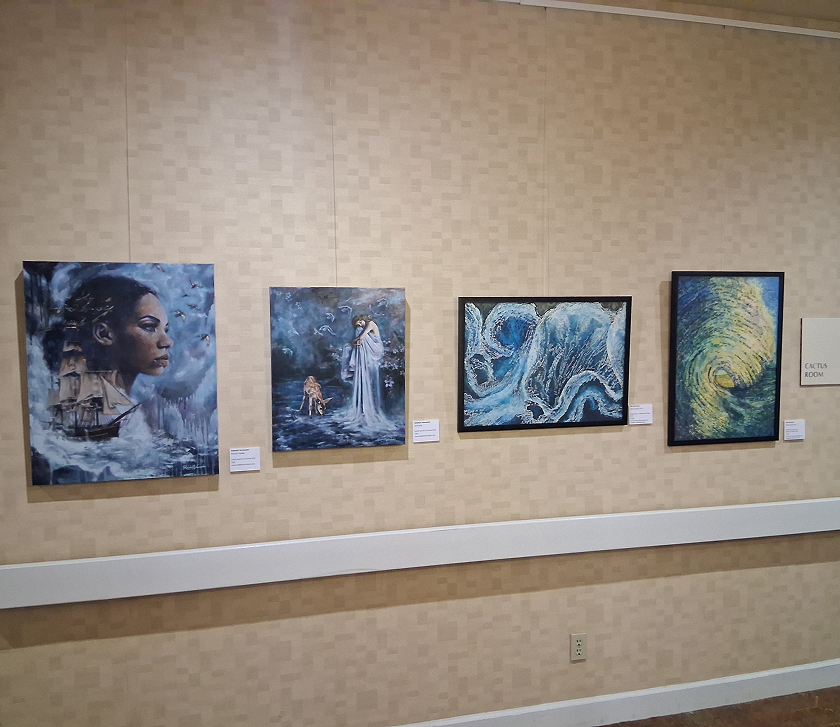
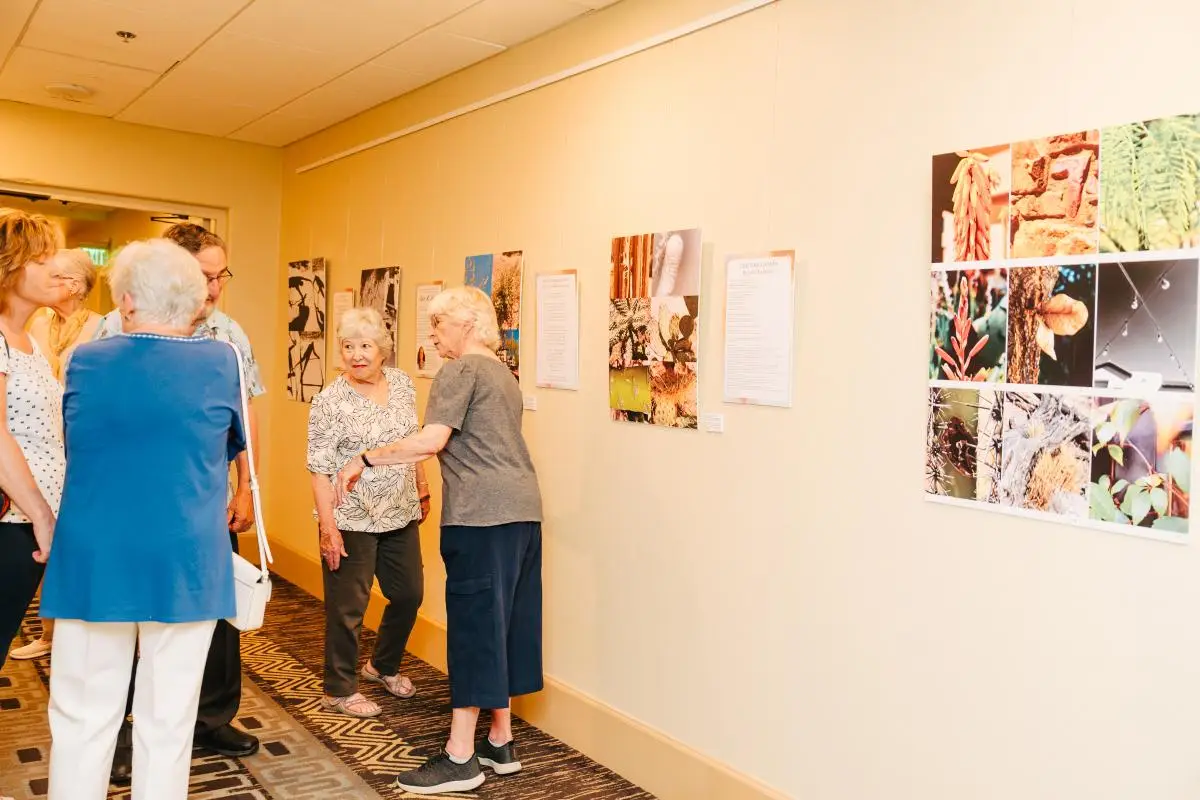
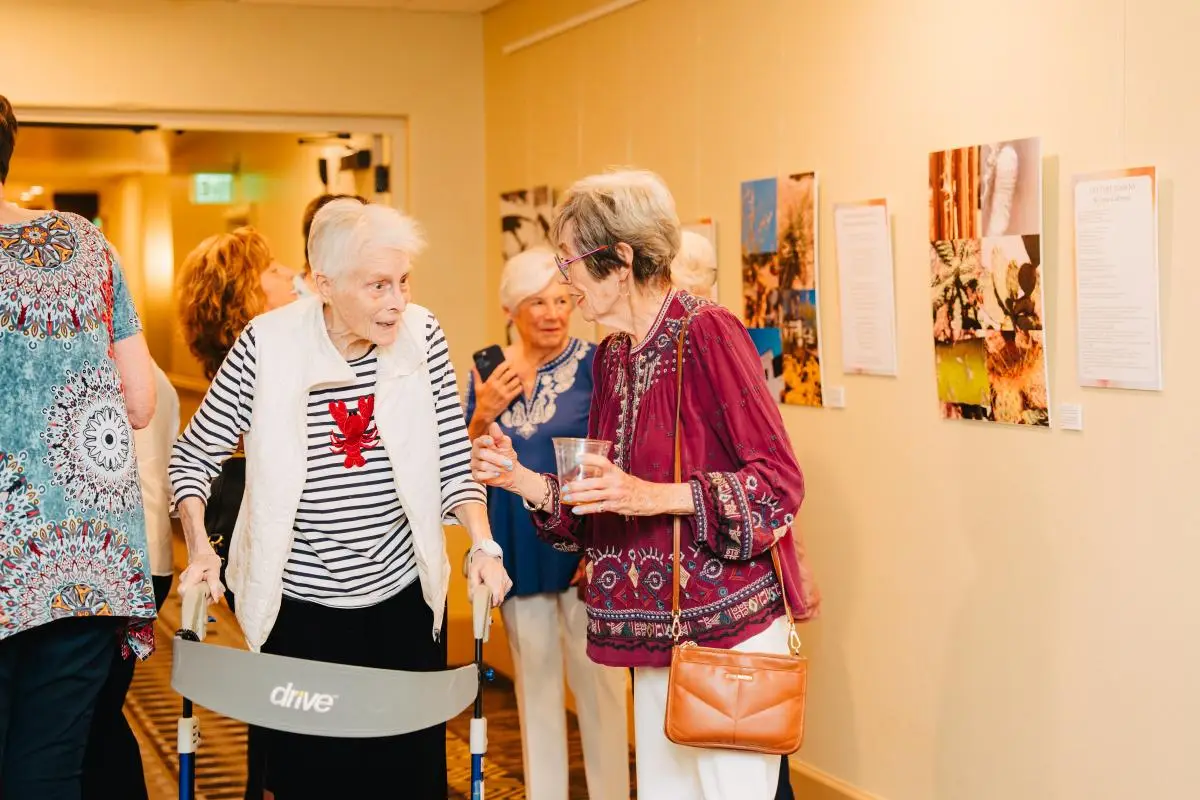
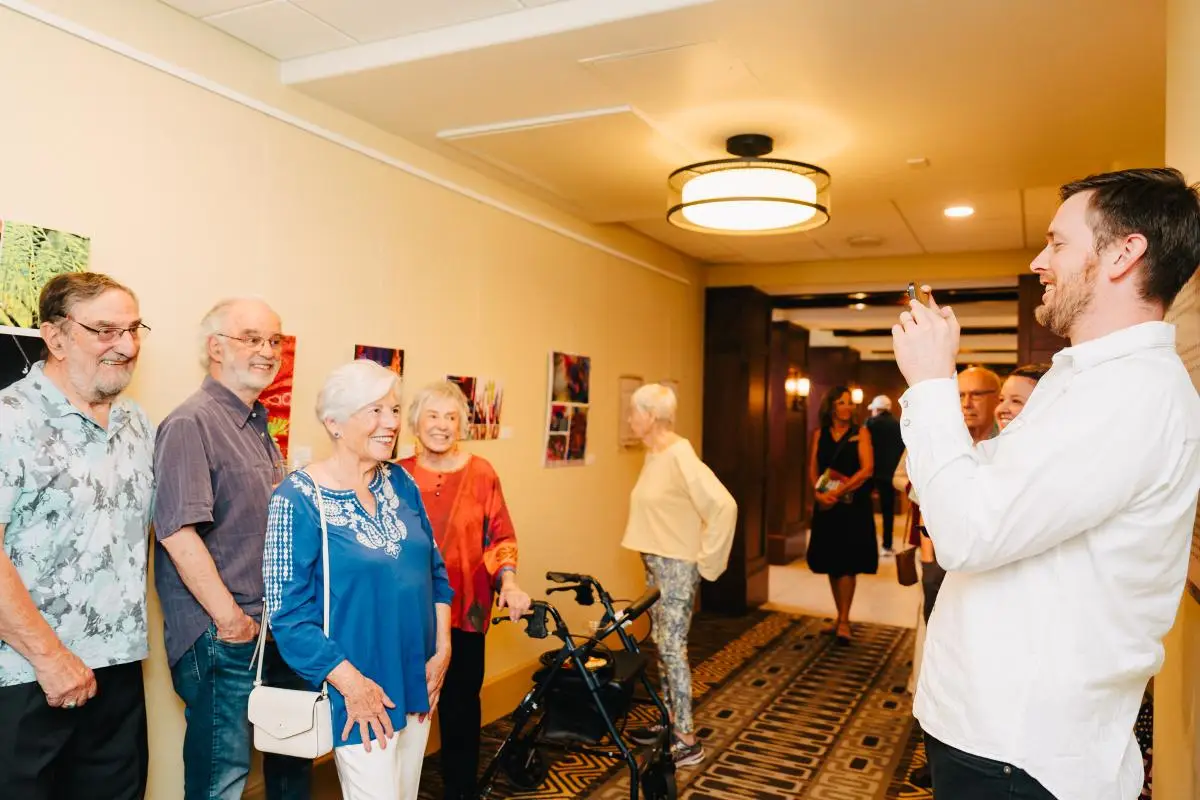
At The Fountains at La Cholla, the arts are not confined to activity rooms but are woven into the architecture of the campus itself. The community gallery is a constantly rotating space that celebrates creativity from within and beyond the community. Residents showcase their own work alongside local and visiting artists, curating exhibitions that reflect their interests and lived experiences. Annual resident-driven shows invite members to select themes, contribute art, and host receptions where they share stories with neighbors and family.
This dedicated space does more than display art; it affirms identity. A watercolorist who had not painted in decades now exhibits beside a neighbor who discovered art for the first time in retirement. Guests from Tucson’s creative community join opening receptions, creating a bridge between the wider arts scene and the intimate life of the community. For residents, the gallery is a reminder that their creative voice matters. For families, it is a source of pride to see loved ones recognized and celebrated.
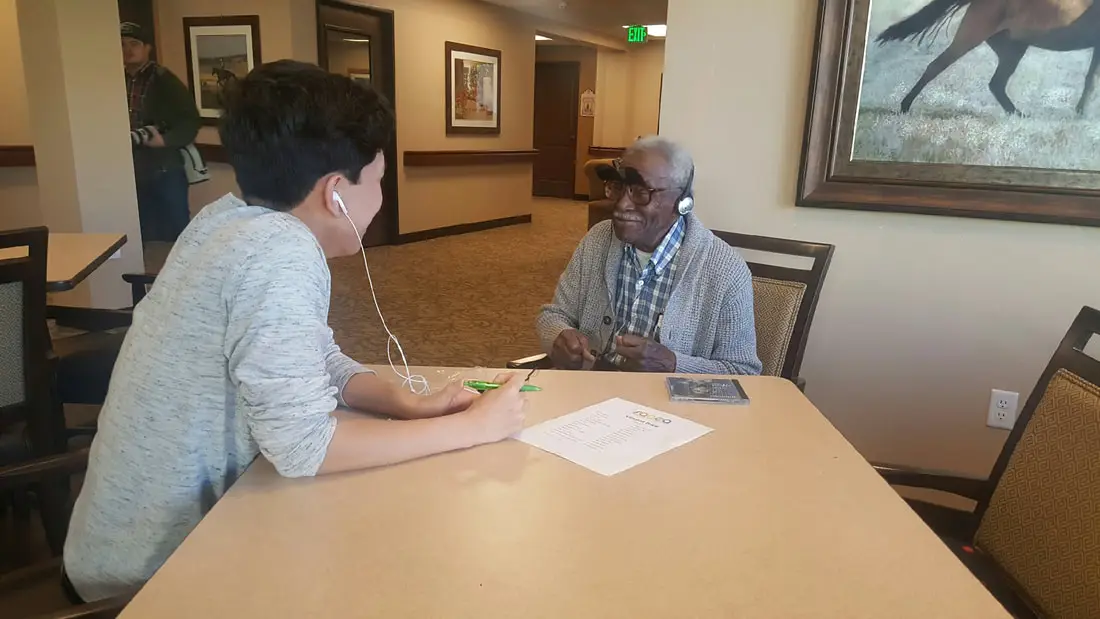
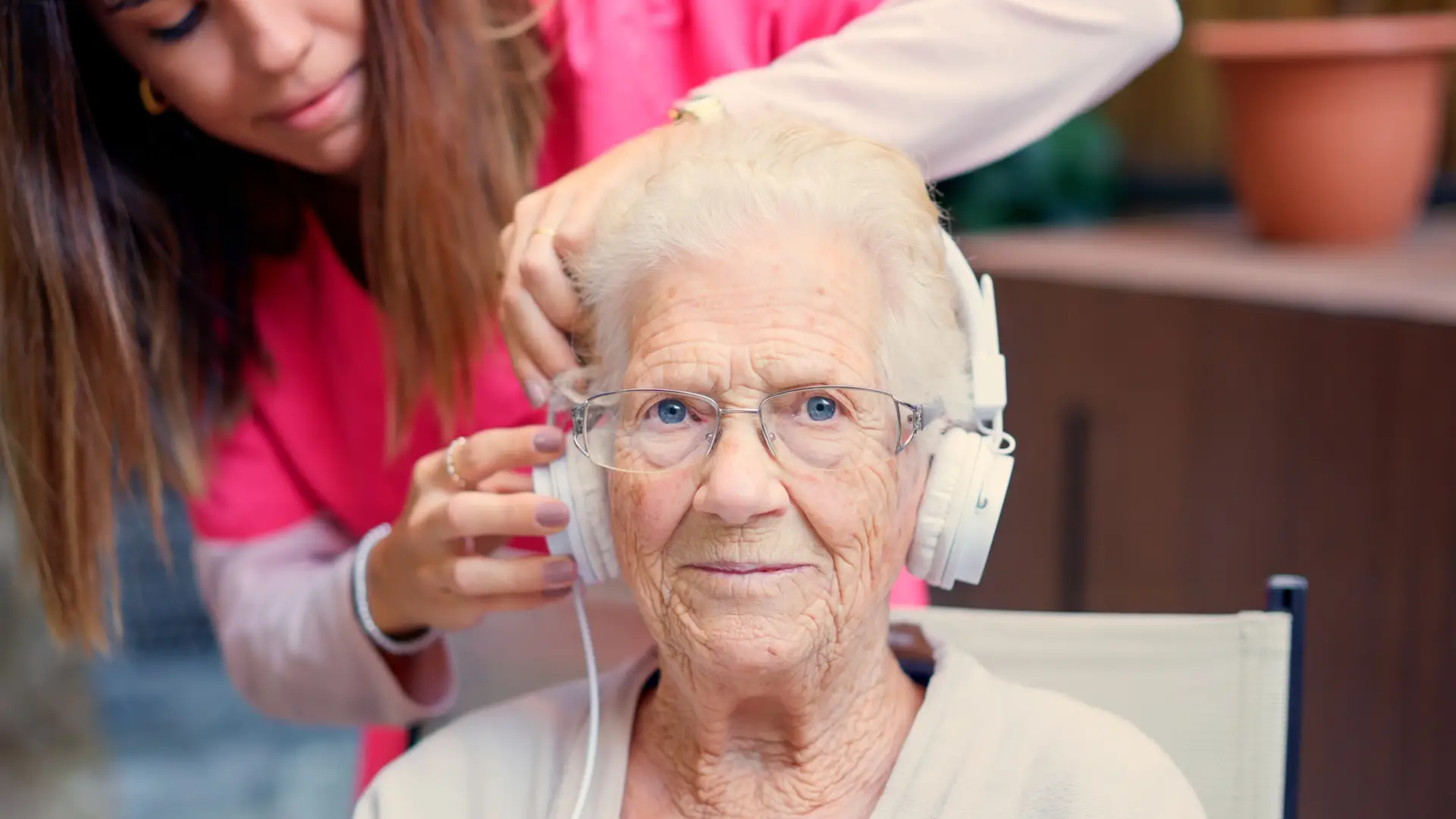
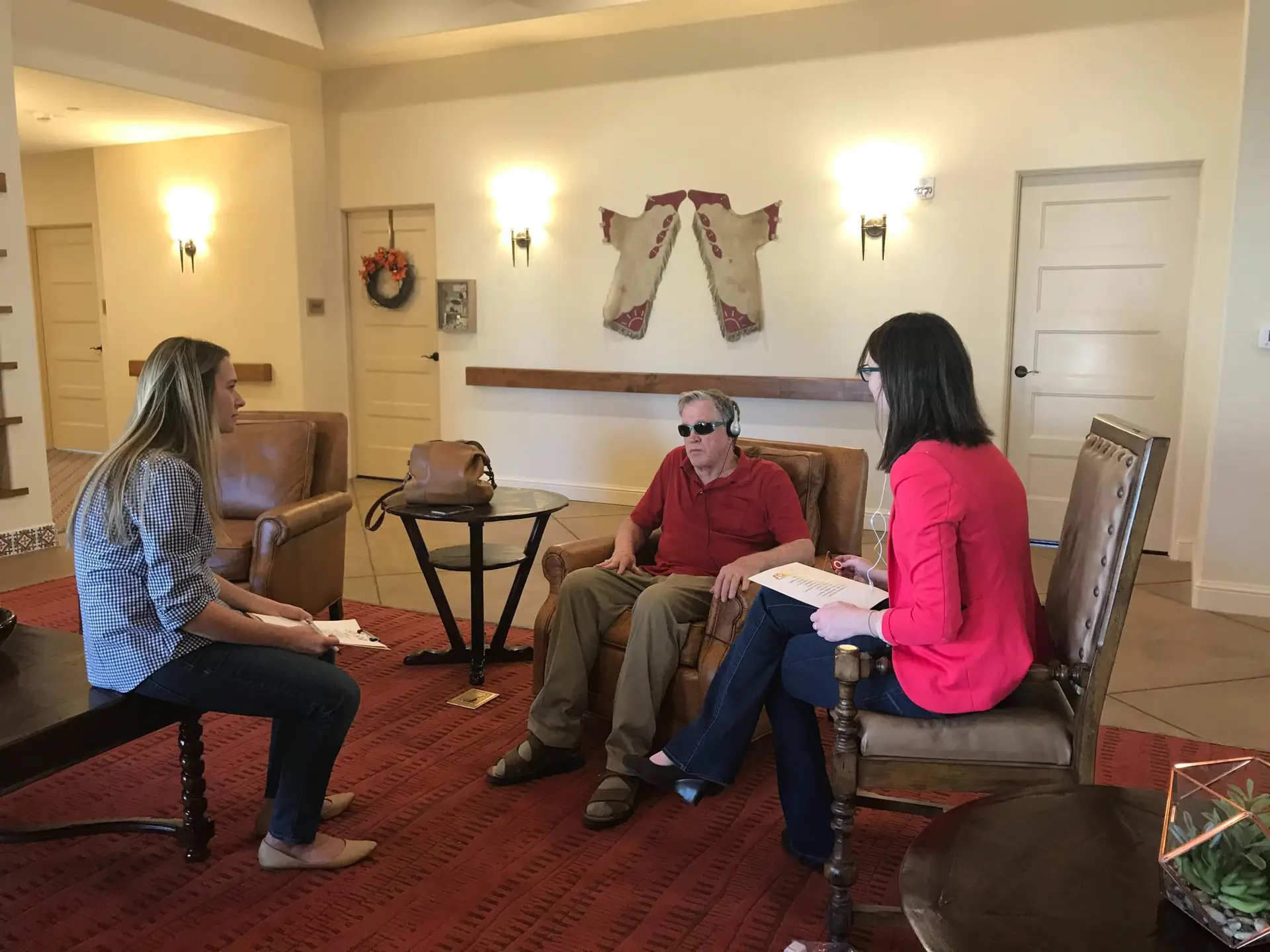
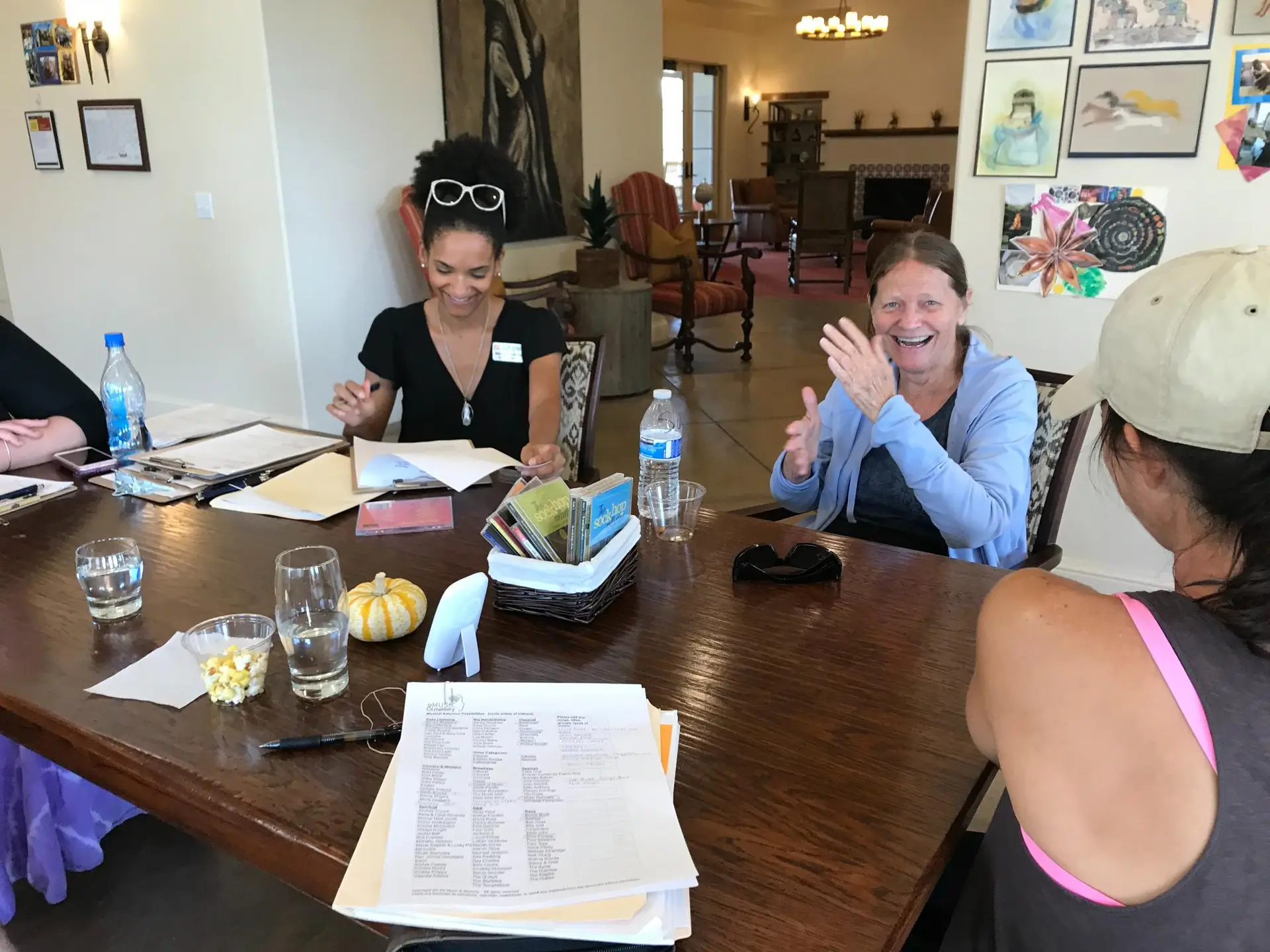
Music has a way of reaching us when words cannot. In 2015, Art State Arizona brought the internationally acclaimed MUSIC & MEMORY℠ program to Southern Arizona, making Watermark communities among the first in the region to implement it. The program creates personalized playlists for residents in memory care, downloading favorite songs onto digital devices. The effect is profound: a song from youth can spark recognition in someone who hasn’t spoken in weeks, drawing them into conversation or a smile that reconnects them with family.
At The Fountains, staff recall residents who suddenly begin to sing entire verses of beloved songs or tap their hands to rhythms that had long seemed forgotten. Families describe these moments as “having them back,” even briefly. The playlists become a conduit for restoring dignity, triggering memory, and reminding residents and caregivers that identity lives on, even in the face of dementia. What began as a simple experiment in personalized care has become an essential tool for building connections and joy in memory care neighborhoods.
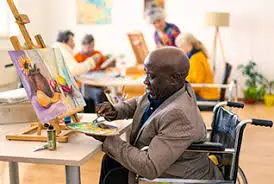
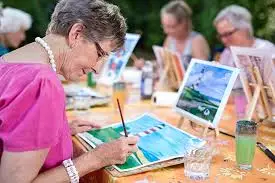
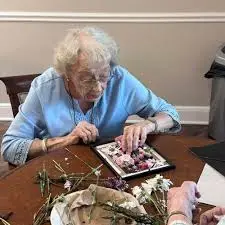
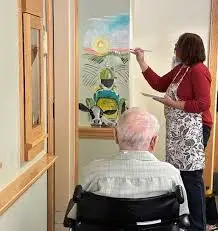
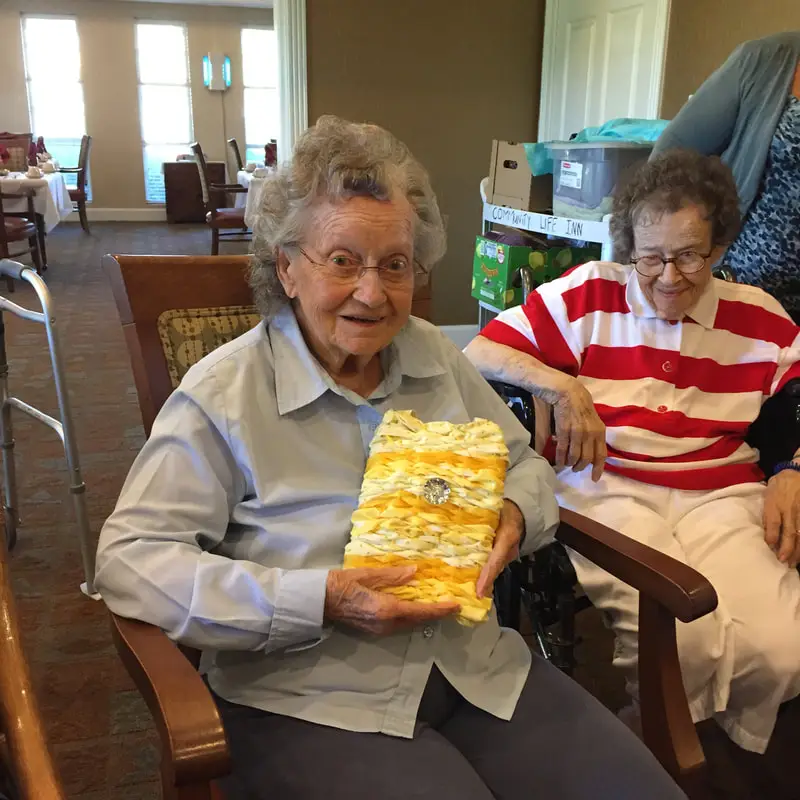
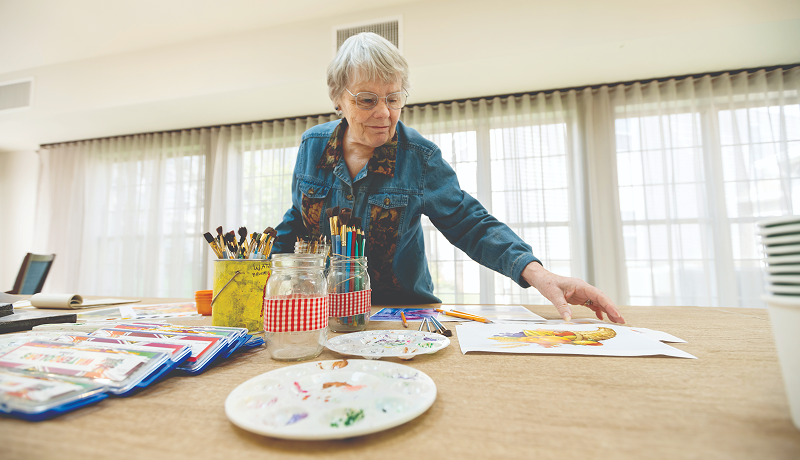
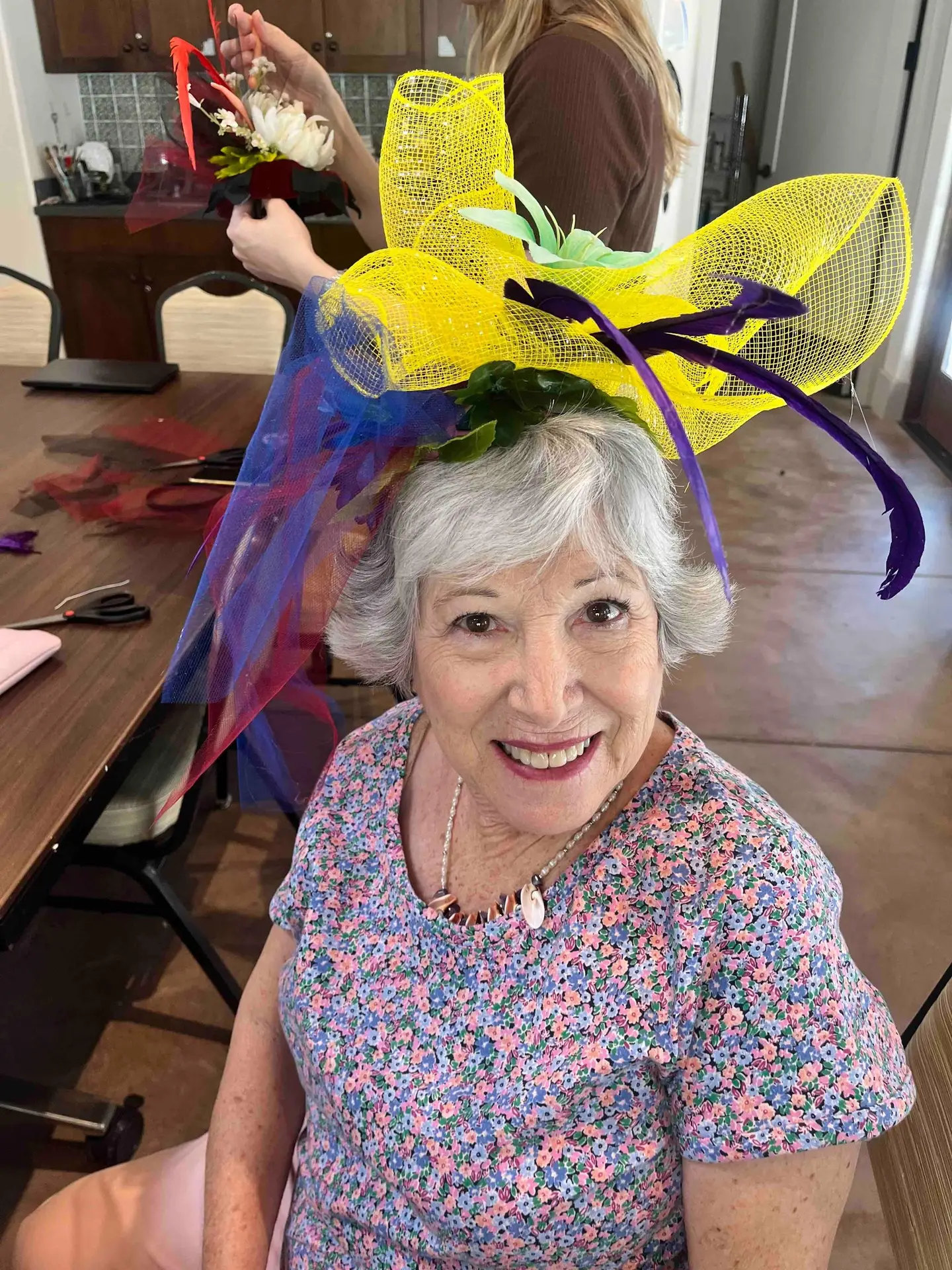
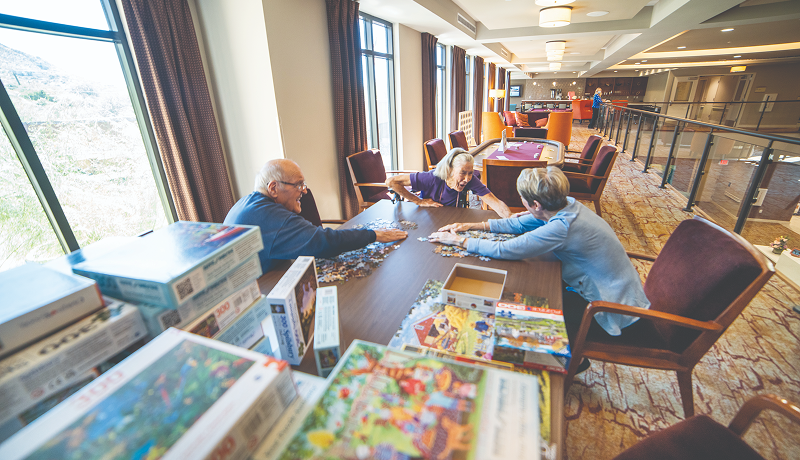
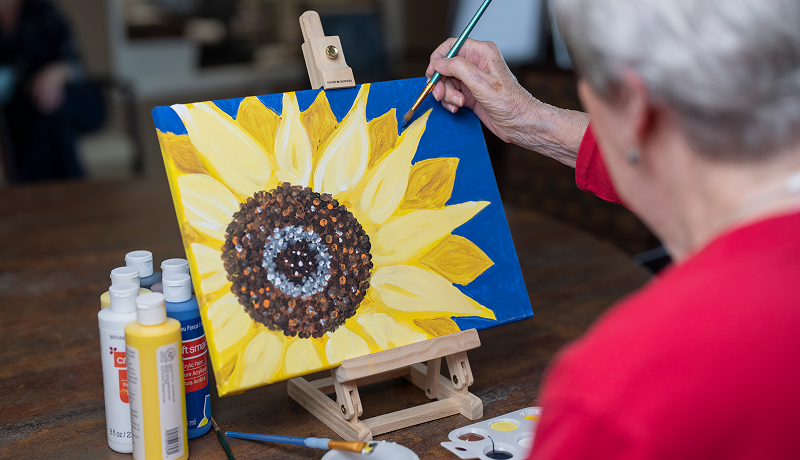
For many residents, retirement presents opportunities to learn something entirely new. Through Watermark University and workshops curated by Art State Arizona, residents have discovered talents and passions they never had time to explore before. Weekly classes range from memoir writing and sculpture to culinary arts and textile design. Visiting artists like Nikki Bellio bring craft workshops that spark laughter, joy, and pride in residents who leave each session with both a finished piece and a renewed sense of purpose.
These programs are designed with flexibility, adapting to the skills, histories, and needs of participants. A retired craft instructor in memory care returns each week because, though she may no longer remember teaching, she still knows the joy of making.
Another resident, once a printing consultant, now fills his home with paintings he began at Hacienda classes, proudly showing guests the creative life he never expected to live. The outcomes extend beyond the classroom: residents gain confidence, form friendships, and affirm that creativity can be more than a pastime, but a lifelong resource for health and connection.
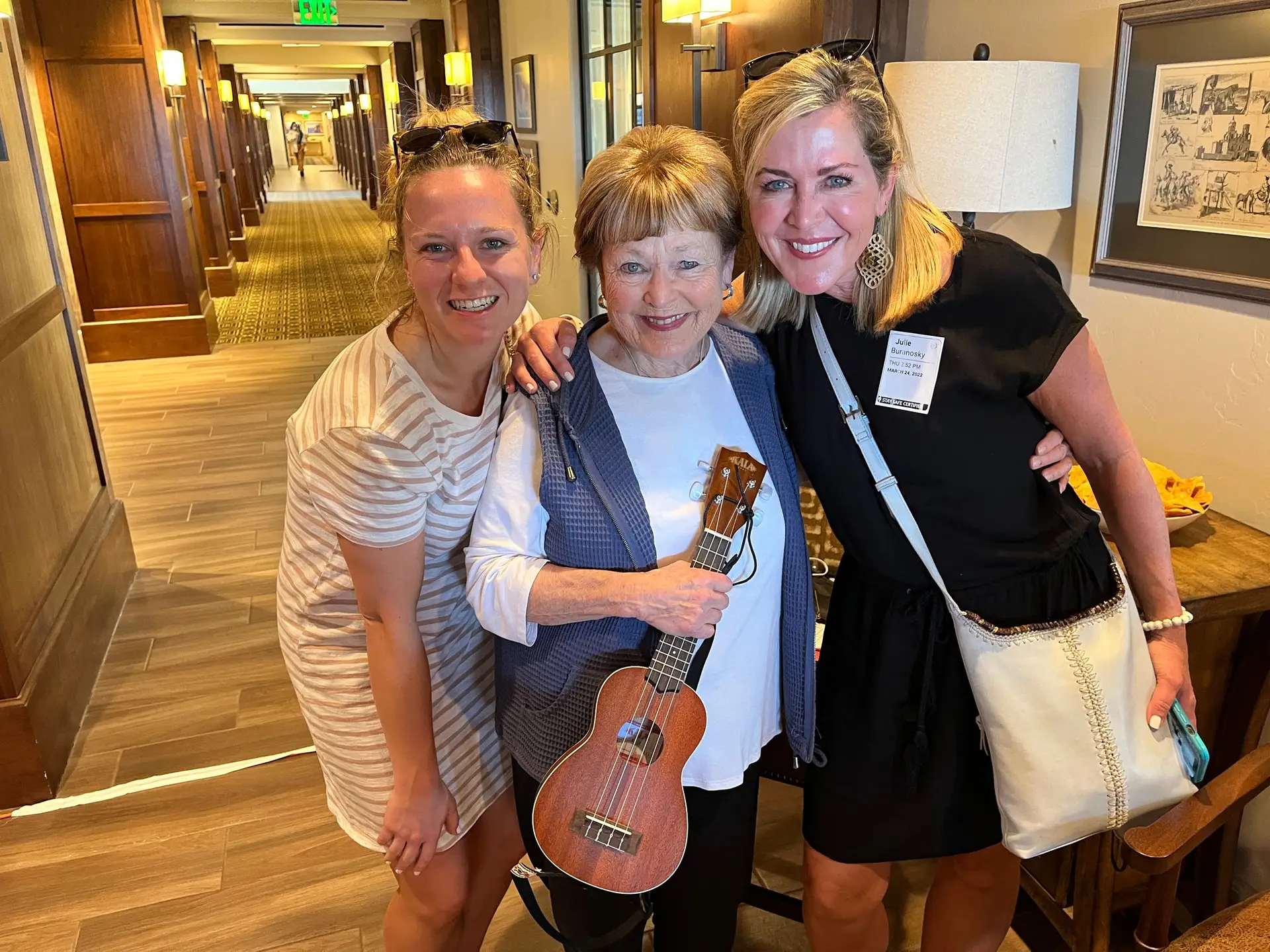
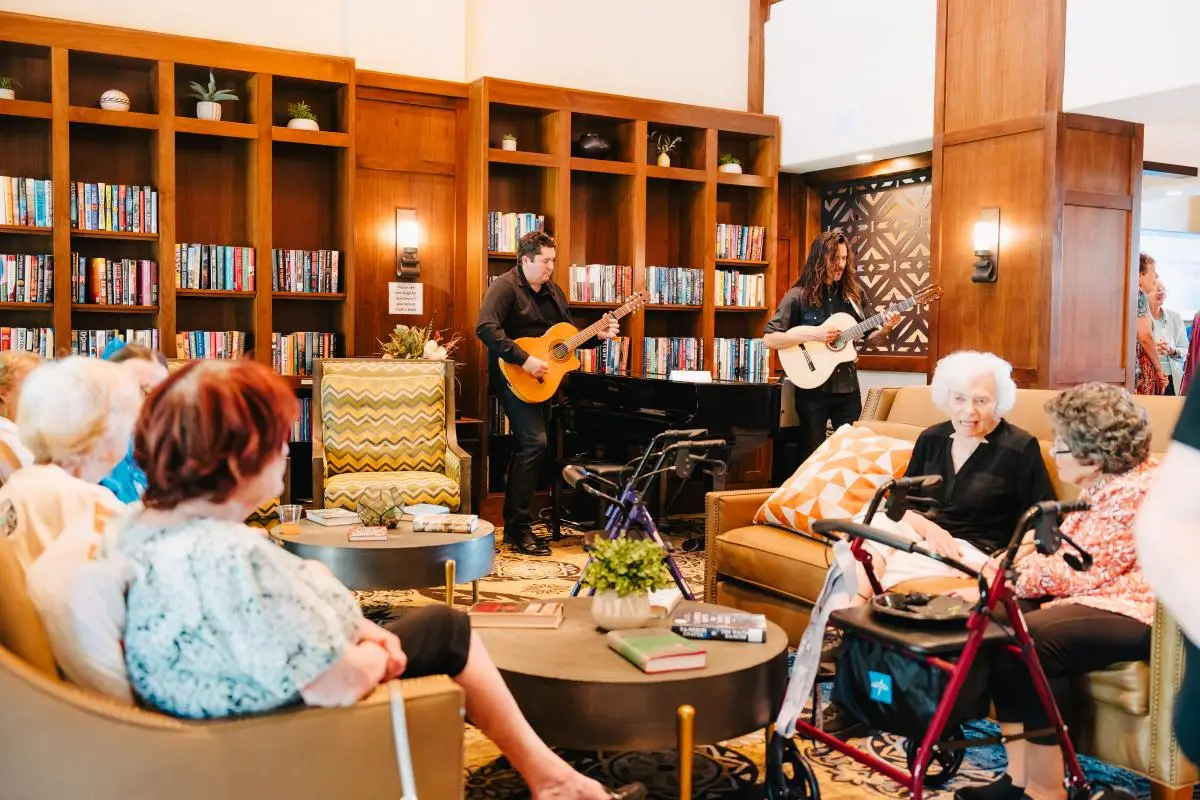
At The Fountains at La Cholla, music is more than entertainment—it is a lifeline. Year-round, residents engage with professional musicians, storytellers, and ensembles who bring everything from jazz and mariachi to Celtic and flamenco traditions into the community. These performances spark joy, but the true magic happens when residents are invited to participate.
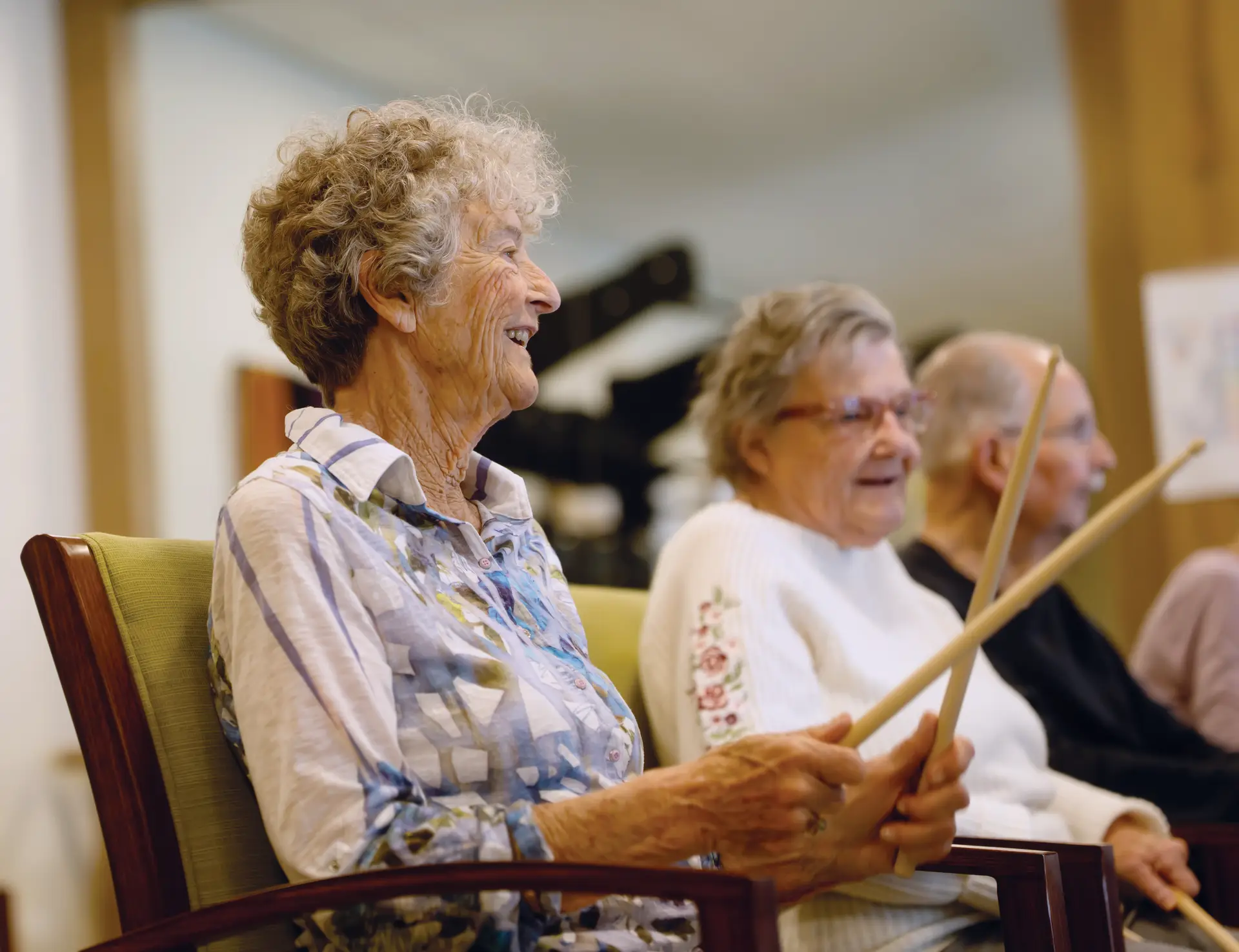
Percussionist Alana Wiesing leads drum circles where memory care participants find rhythm together. Richard Noel’s Jam2Grow sessions turned drumming into a form of healing, helping residents regulate emotions and reconnect with themselves.
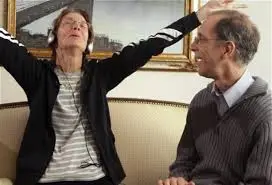
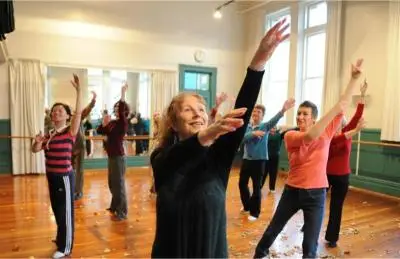
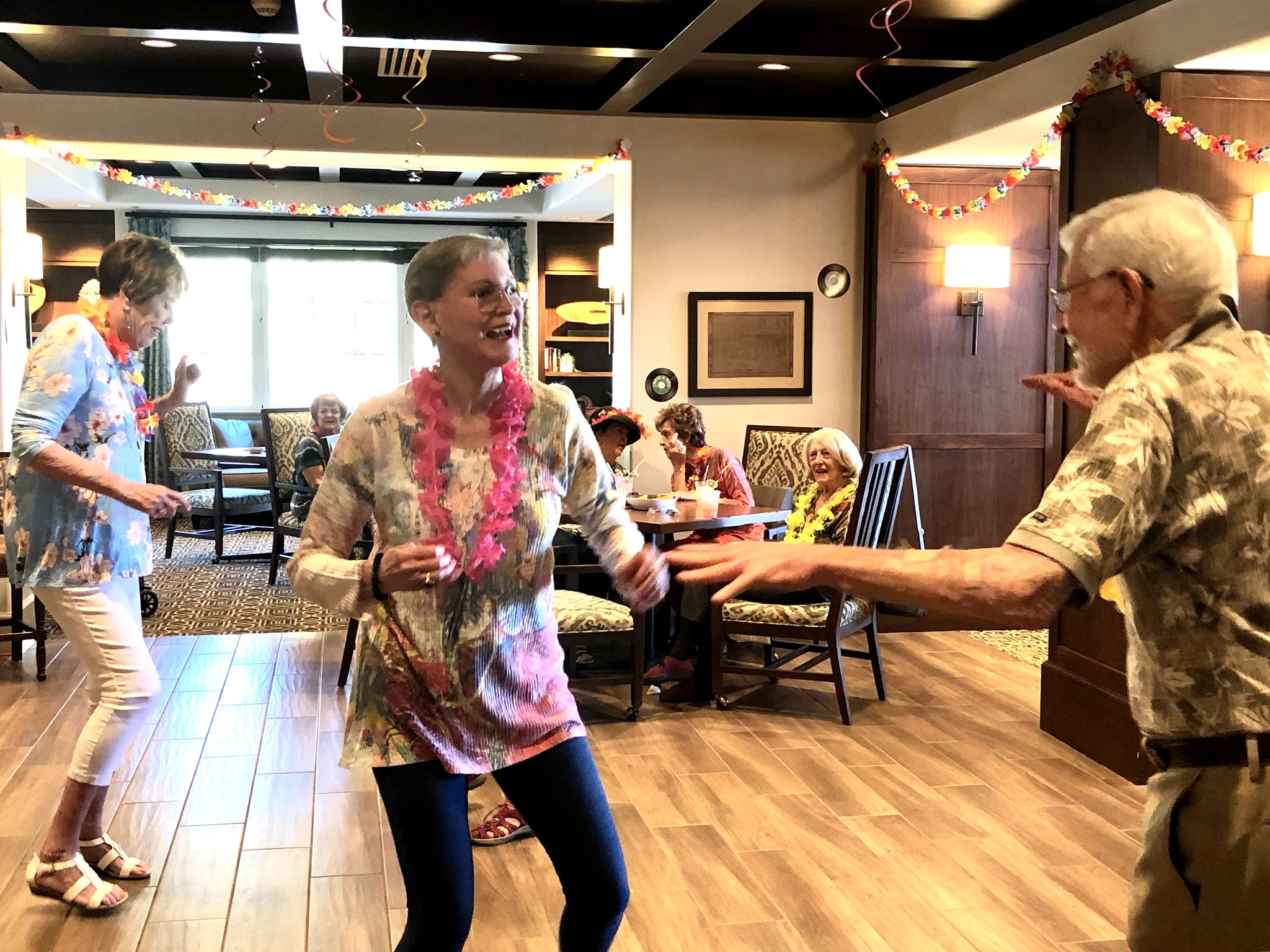
For many, music opens doors that illness had closed. A woman who hadn’t spoken begins to sing along to familiar melodies. A retired dancer rises from her chair to move to Elijah Ndoye’s kora performance, saying afterward that the music took her to places she had always dreamed of. Each story underscores the same truth: music creates presence. It brings people back to themselves and to each other, reminding everyone in the room that healing and joy are always within reach.
Behind every resident is a lifetime of stories, skills, and traditions. Watermark, with support from Art State Arizona, developed Cultural Profiles—intake tools that capture the creative and personal histories of each member alongside their healthcare needs.
These profiles recognize that someone is more than their diagnosis: they may have been a cook, a traveler, a pianist, or a gardener. By connecting past experiences to present care, staff are empowered to treat residents holistically, honoring individuality in every interaction.
The results are powerful. A memory care resident who once worked as a chef is invited to help prepare a meal, sparking joy and pride. A retired musician is encouraged to lead a sing-along. These small recognitions transform daily routines into meaningful experiences. The profiles shift the focus from what is lost to what remains, ensuring that every member is seen and supported as a whole person with unique gifts and contributions.
The Hacienda at the Canyon thrives not only because of its residents but because of the creative professionals embedded within its community life.  Through a collaborative partnership with Art State Arizona, we have activly worked to secure working artists in crucial positions within the communities, which have in turn, sparked innovation and creativity and help solve complex problems.  Artists and creatives are embedded with the gift of innovation and problem-solving skills that help develop powerful connections, listen deeply, implement lasting solutions and leveraging resources in a sustainable manner.  
Leaders like Missy Paschke-Wood have made the arts central to how the community operates, hiring local teaching artists, building collaborative studios, and nurturing a culture where creative energy drives well-being. This model recognizes artists as vital contributors, not entertainment extras, placing them in roles that shape daily life.
From visual art classes to summer stock musicals, residents and staff collaborate with professional artists to design programs that resonate deeply. By capitalizing on human creativity, The Hacienda has become a place where professional artistry and resident imagination intersect, creating a thriving community where quality of life is built on belonging, purpose, and joy.
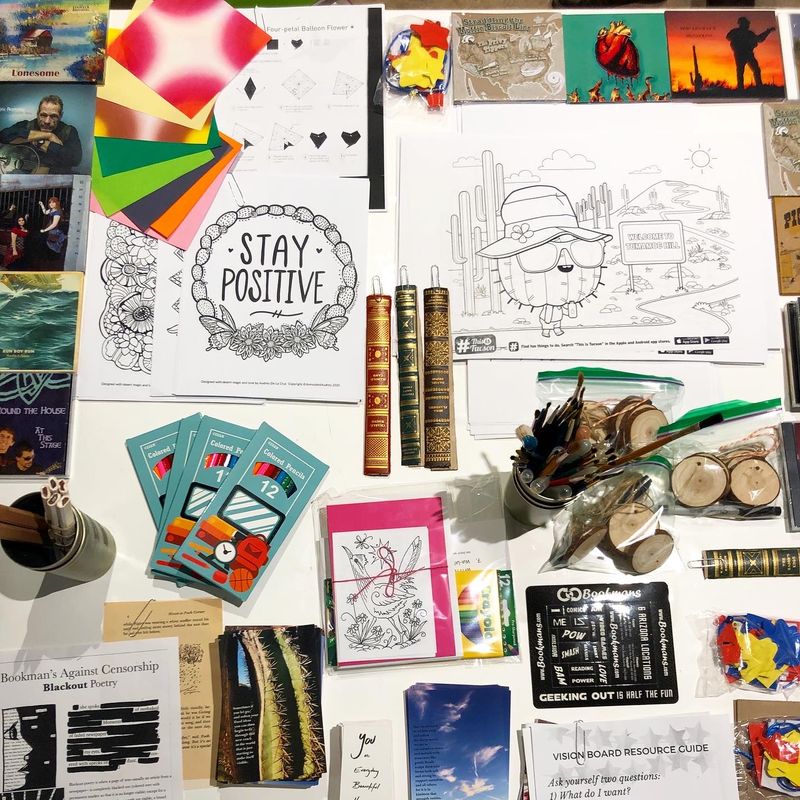
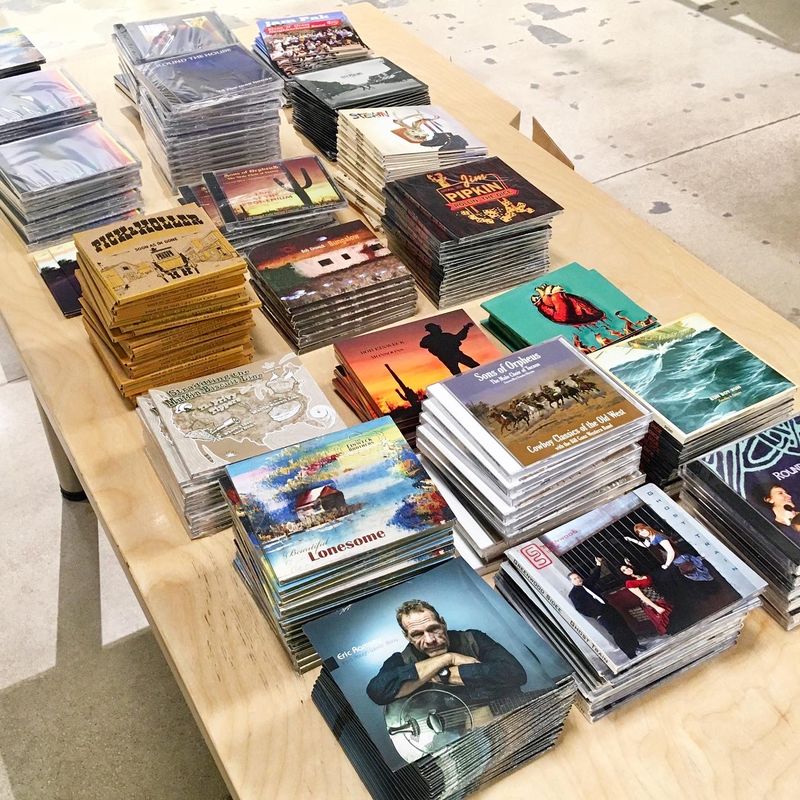
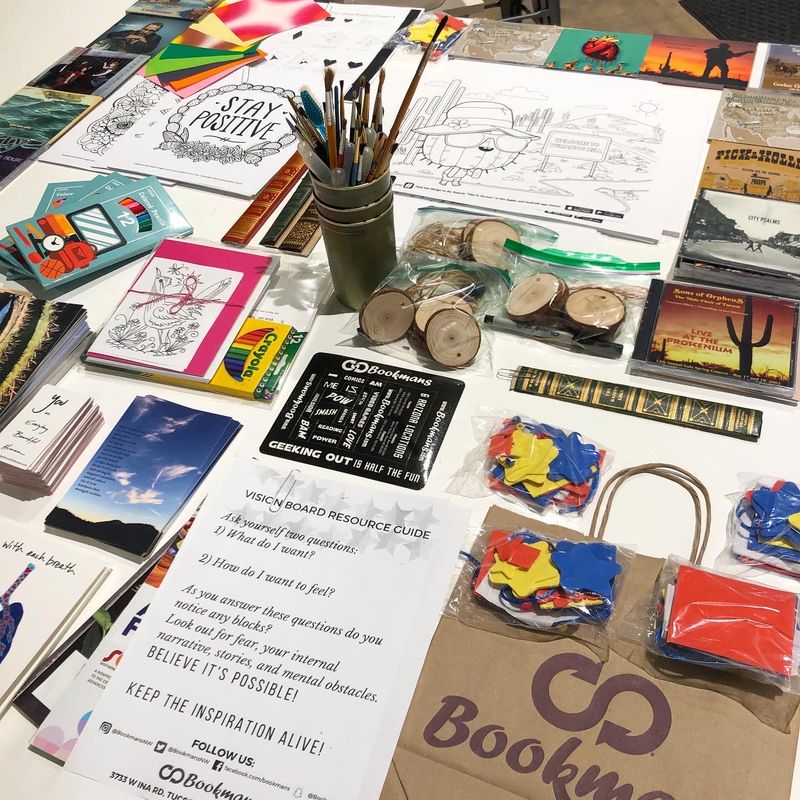
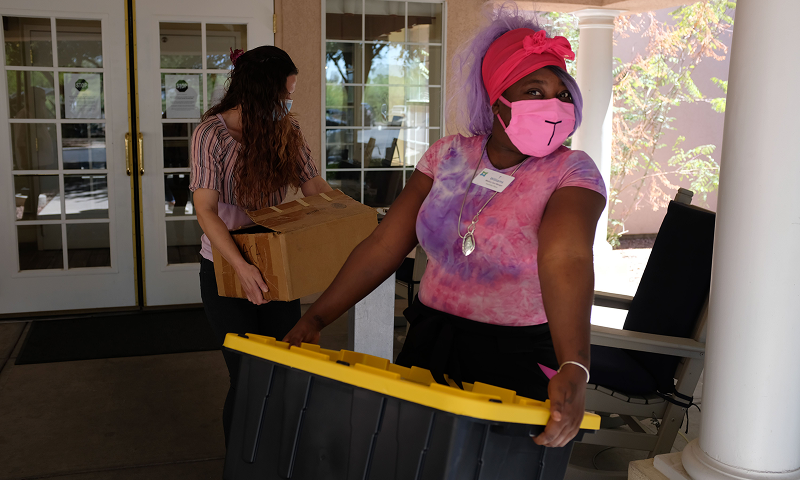
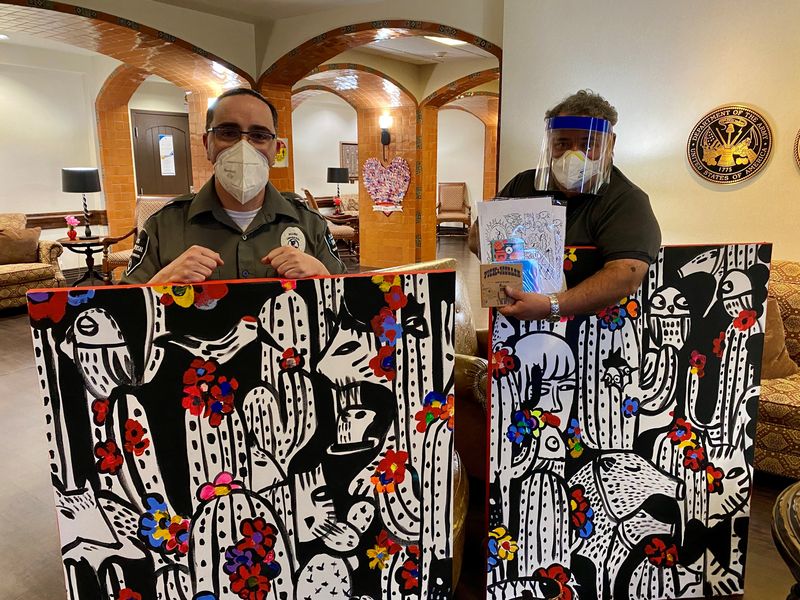
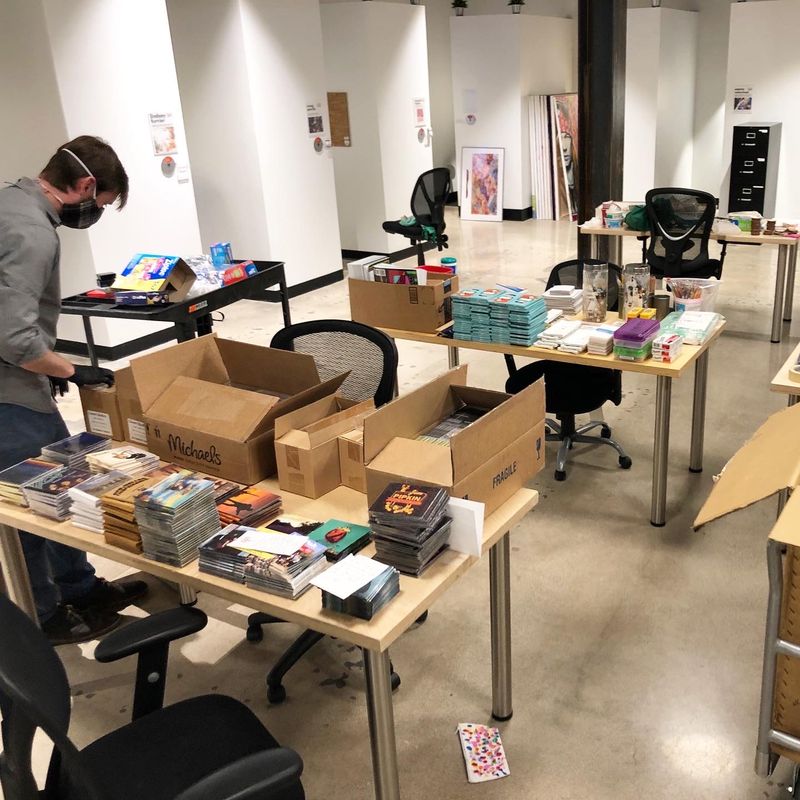
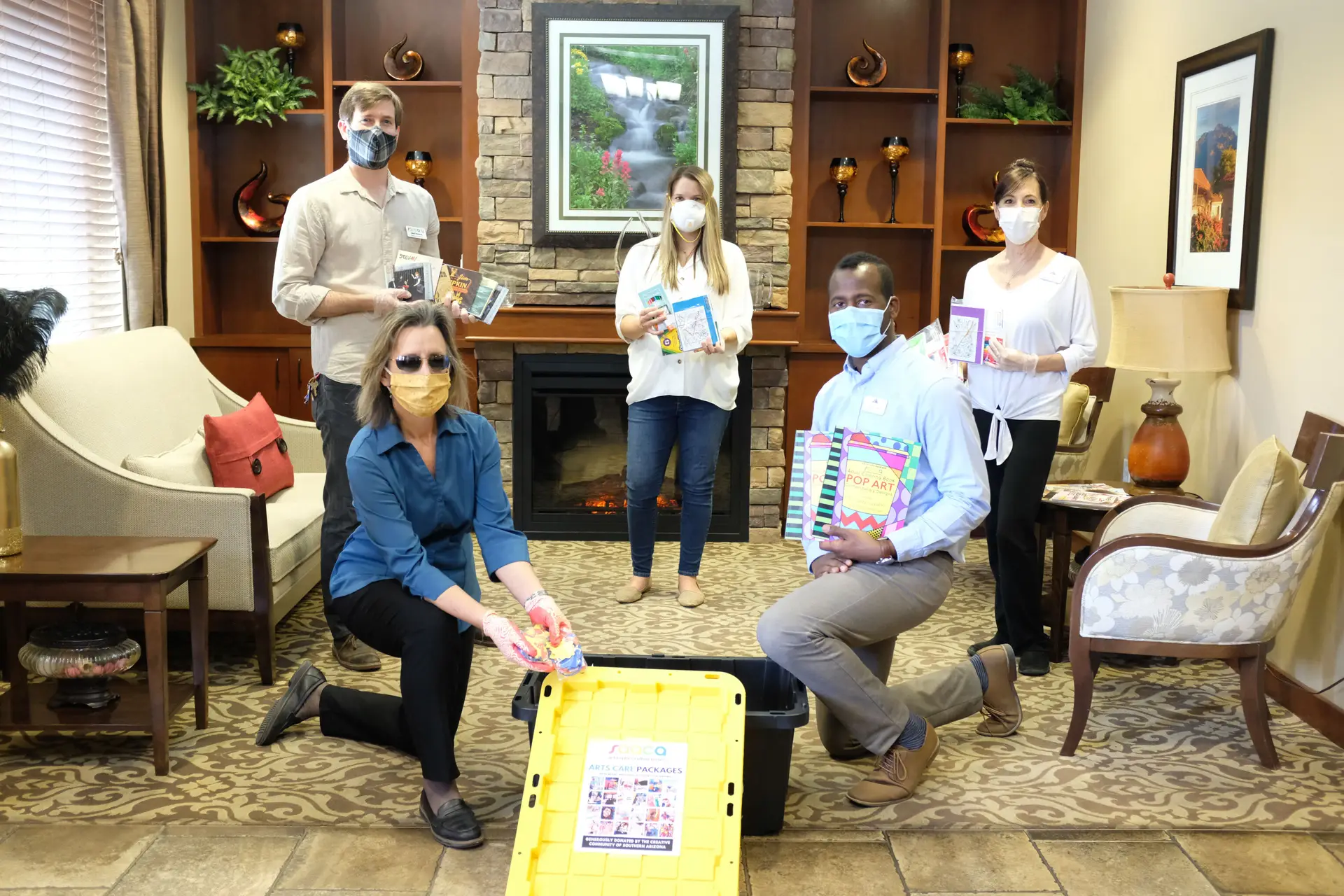
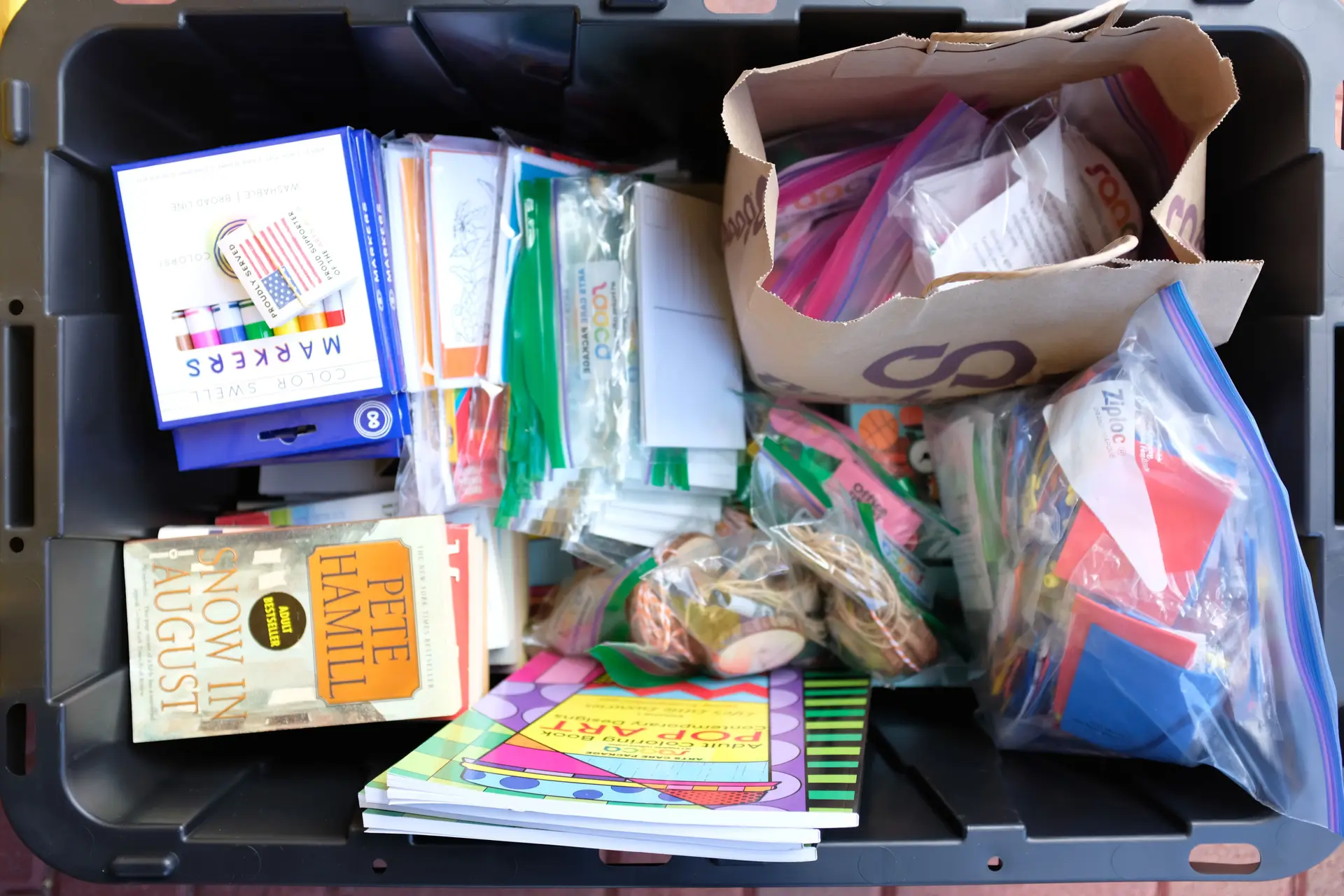
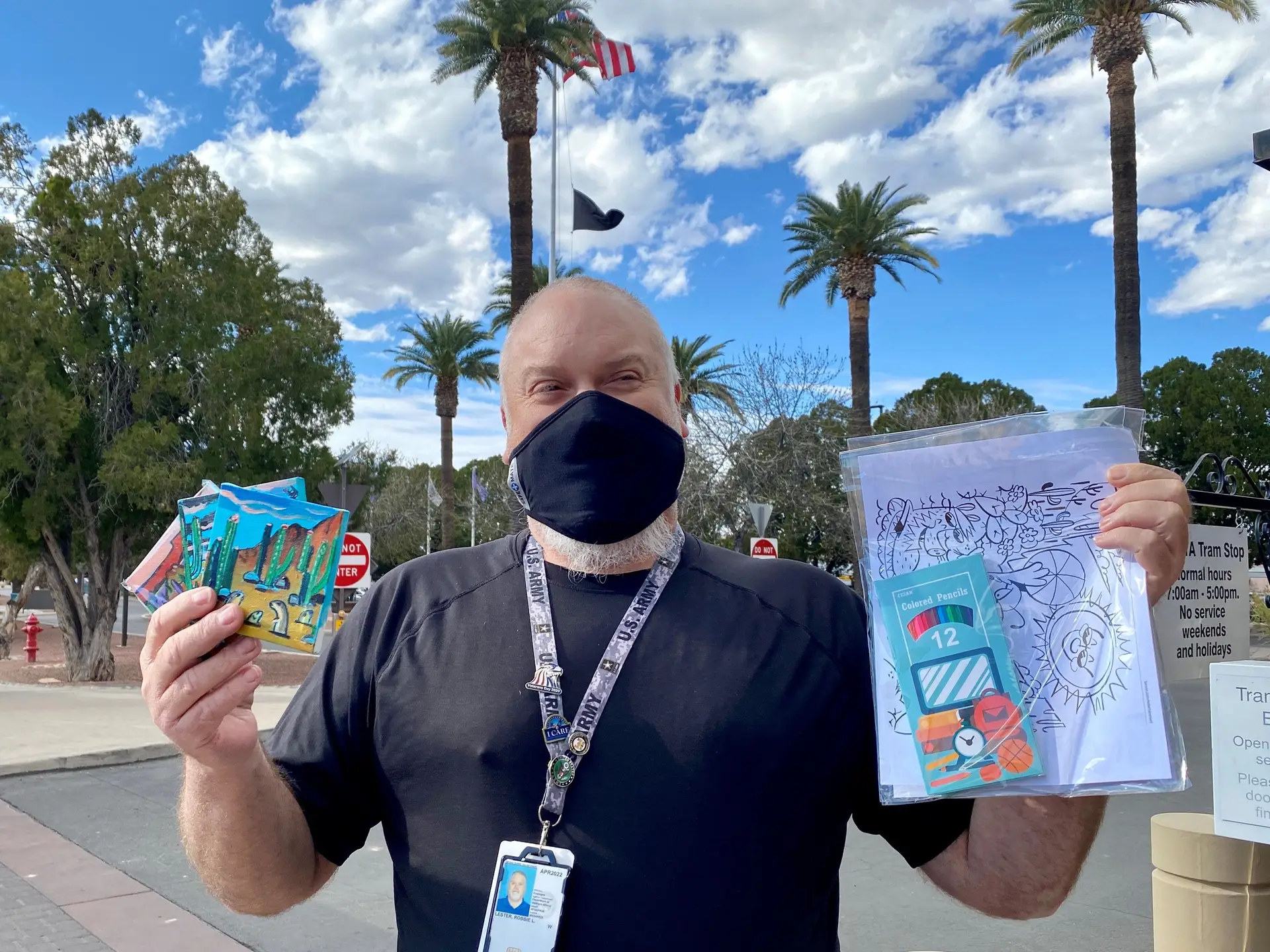
When the COVID-19 pandemic forced communities into lockdown, isolation became a pressing concern for seniors. Art State Arizona and Watermark responded by assembling Arts Care Packages—individually wrapped, sanitized kits filled with music, craft projects, journaling prompts, and DIY activities. These packages were distributed to assisted living communities and hospital patients, ensuring that creativity remained accessible even behind closed doors.
The effort was fueled by an outpouring of donations from local artists, musicians, and makers, proving that community support is strongest in times of crisis. Residents opened the packages to find not just materials, but connection: a sense that they were remembered, valued, and invited to create. In the midst of fear and uncertainty, these creative sparks brought joy and relief, helping combat loneliness and offering a reminder that art always finds a way to bring people together.
Healing takes many forms, and at Watermark communities, the arts are integral to that process. Creative arts therapies—ranging from music and writing to visual arts and movement—provide residents with ways to process emotions, reduce anxiety, and build resilience.
Programs led by artists like Michael Hieber bring joy and laughter into memory care spaces, while writing workshops with Laila Halaby help residents translate their stories into poems and reflections that affirm identity. Percussionists like Dan Kruse and Alana Wiesing create moments of spiritual connection through rhythm and song, helping residents access joy and memory that illness cannot erase.
One resident may find calm while sculpting clay beads, another pride in finishing a watercolor, and another healing in the beat of a drum. These moments, multiplied across communities, enhance mental and emotional well-being and strengthen bonds among residents, staff, and families. The arts do more than decorate daily life—they sustain it, providing tools for expression and renewal that support whole-person health.
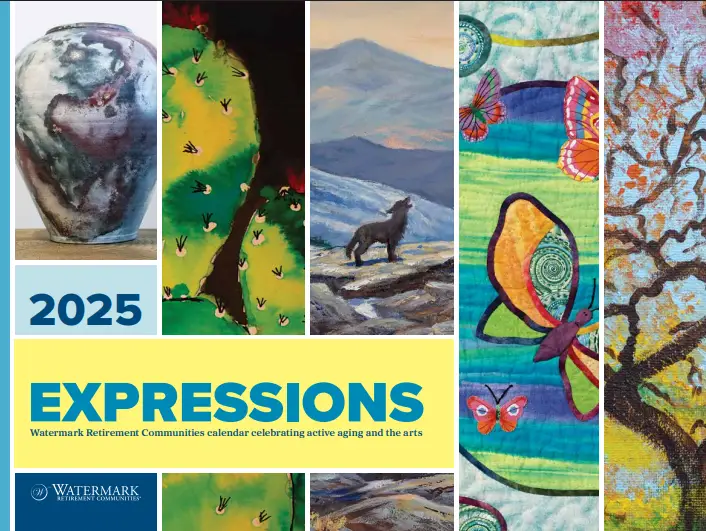
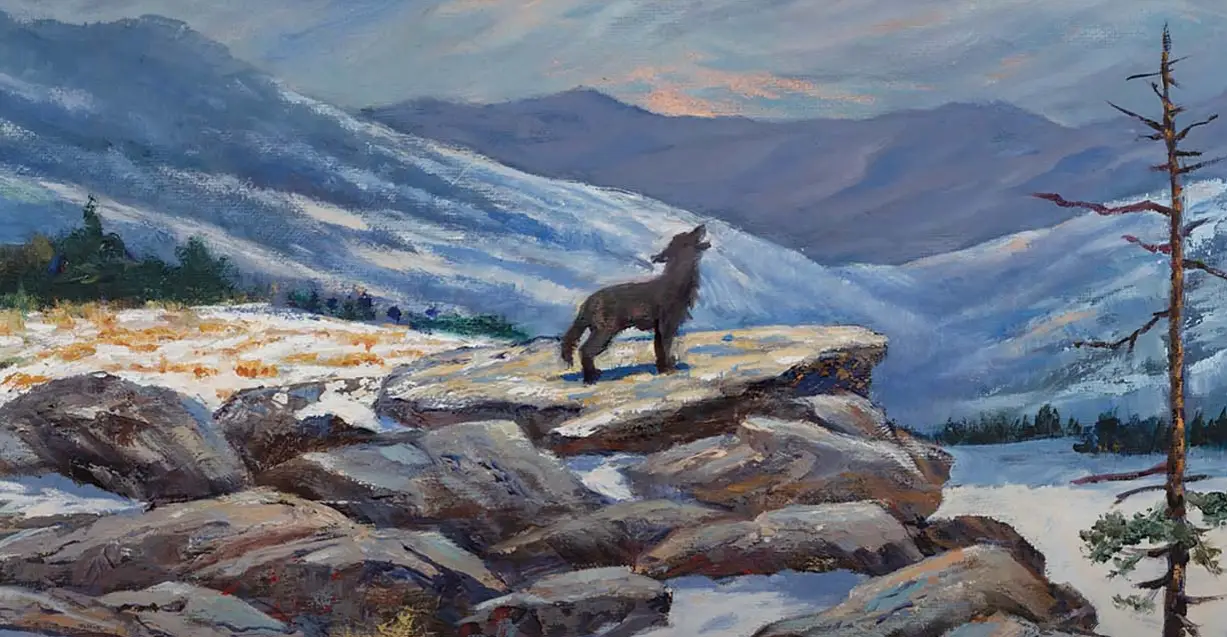
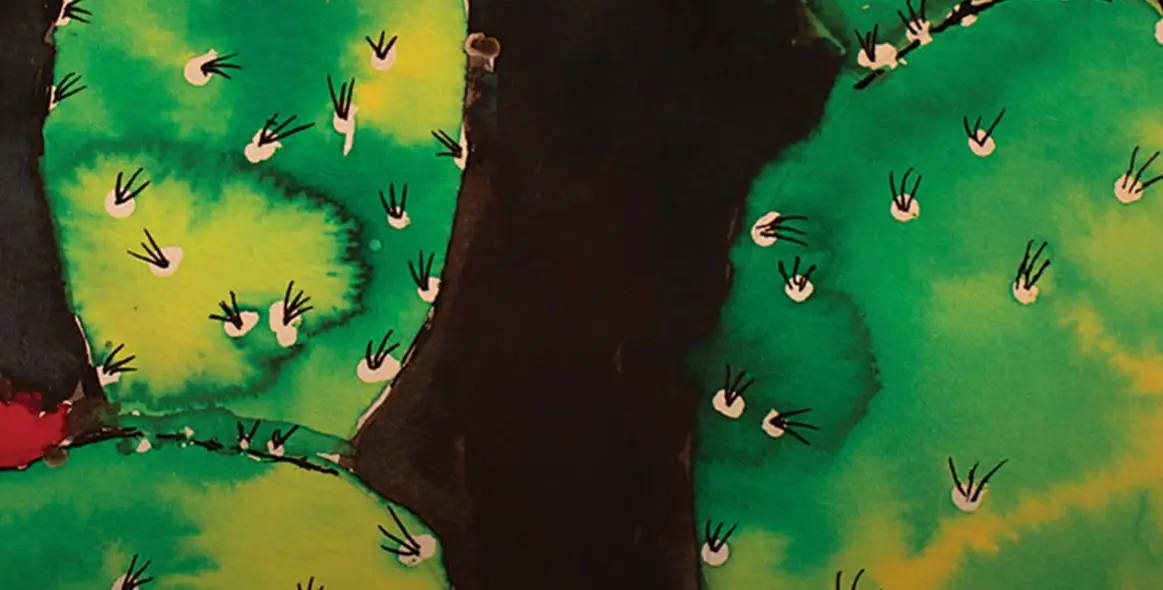
Each year, Watermark invites residents nationwide to contribute artwork for its Expressions Calendar, a tradition more than two decades strong.
Paintings, textiles, photographs, and mixed-media works are selected through community competitions, ensuring every member has a chance to see their art recognized. The finished calendar becomes more than a functional item—it is a celebration of creativity, pride, and voice across all campuses.
For residents, having their artwork featured is a point of accomplishment and joy. For families, it is a keepsake that captures their loved one’s creativity in a tangible way. And for Watermark, it is a reminder that every year, in every community, art is being made that deserves to be shared.
The constantly evolving collaboration with Watermark Communities has also sparked a unique model of creative exchange, where Watermark campuses share not only programming ideas but human capital. Artists, resident members, musicians, and storytellers rotate between communities, offering workshops and performances that connect members across geographic distance. Residents in Tucson may enjoy a visiting artist first introduced at a Phoenix campus, while artwork created in one gallery travels to another for exhibition.
This networked approach expands opportunities for residents while fostering collaboration among staff and artists. It ensures that creativity is never siloed but shared, weaving a larger cultural fabric that strengthens every community.
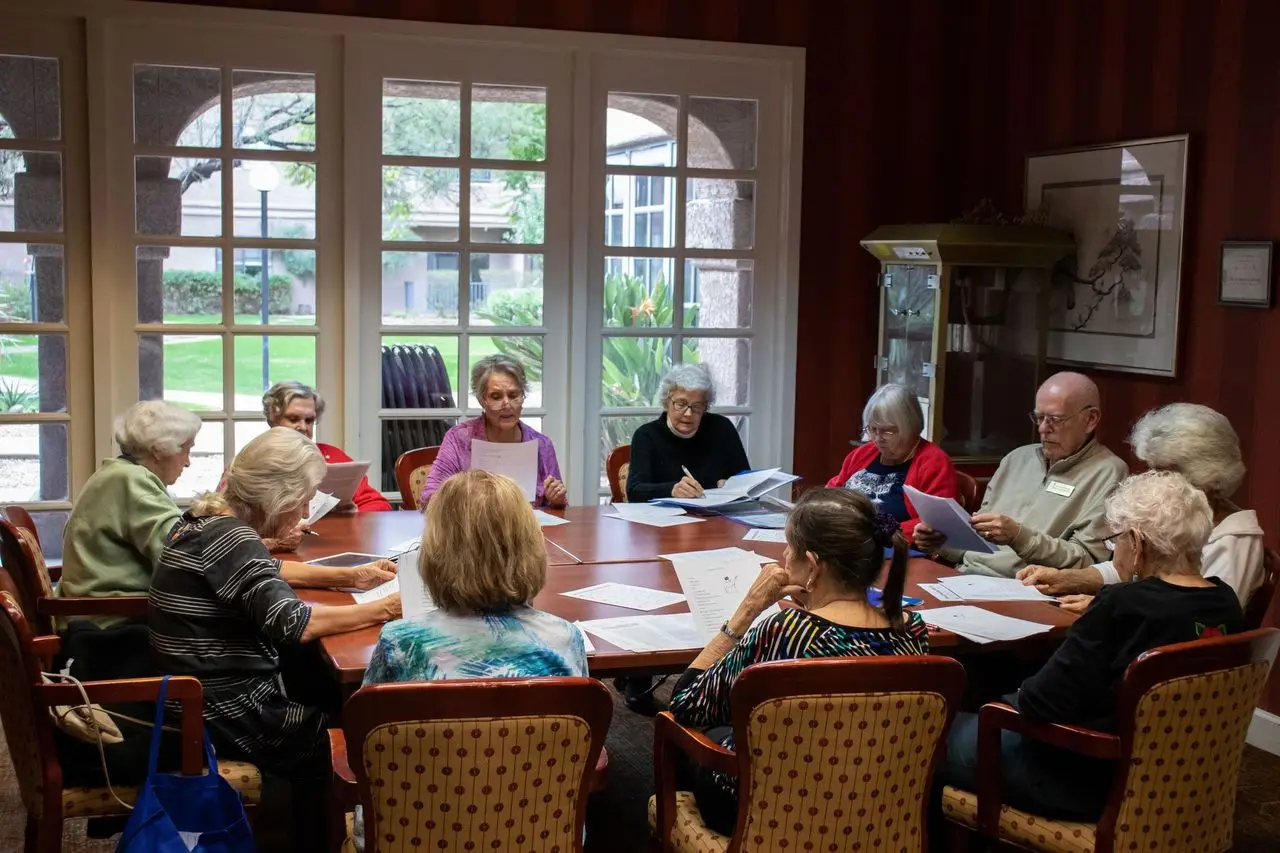
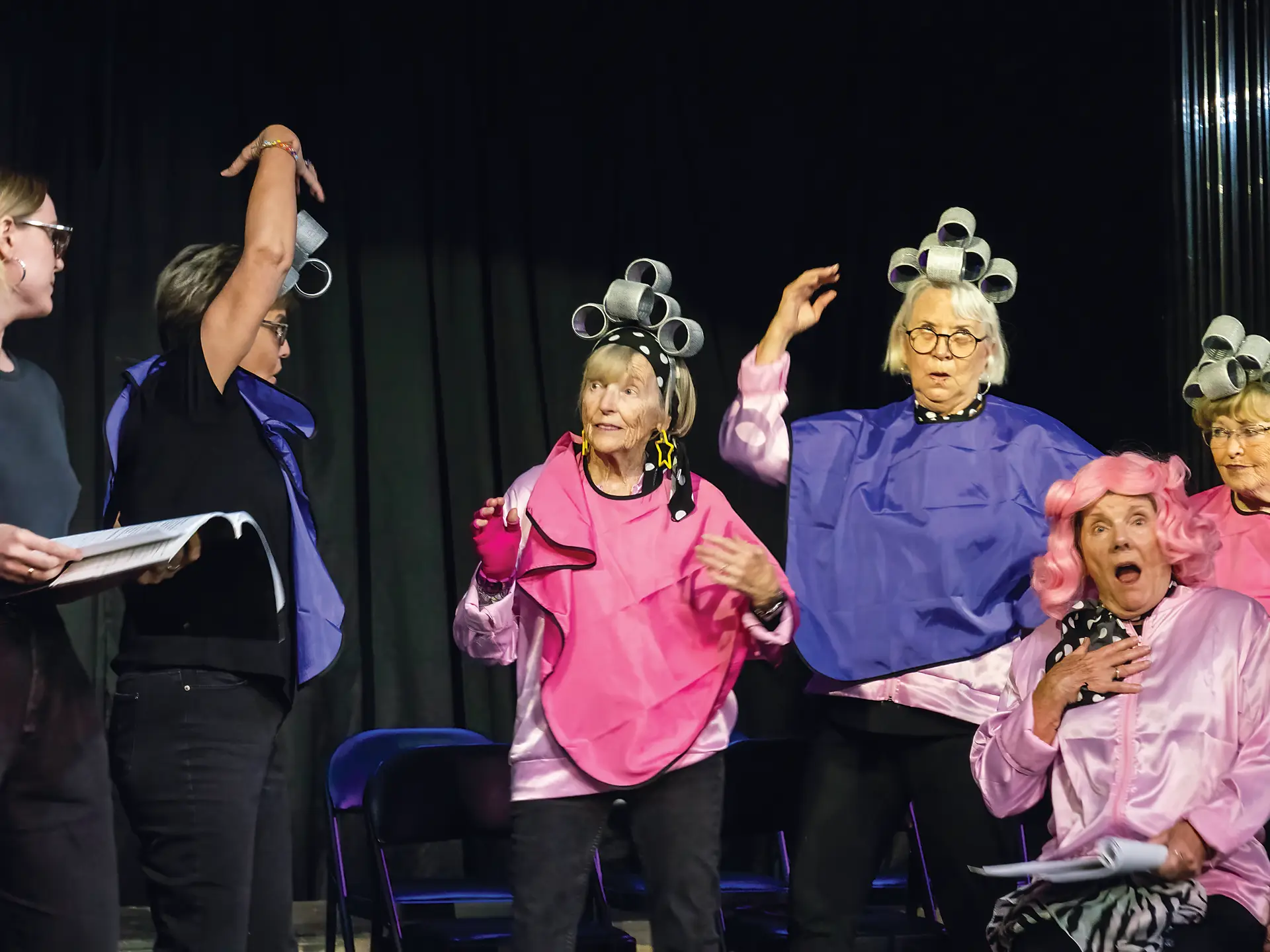
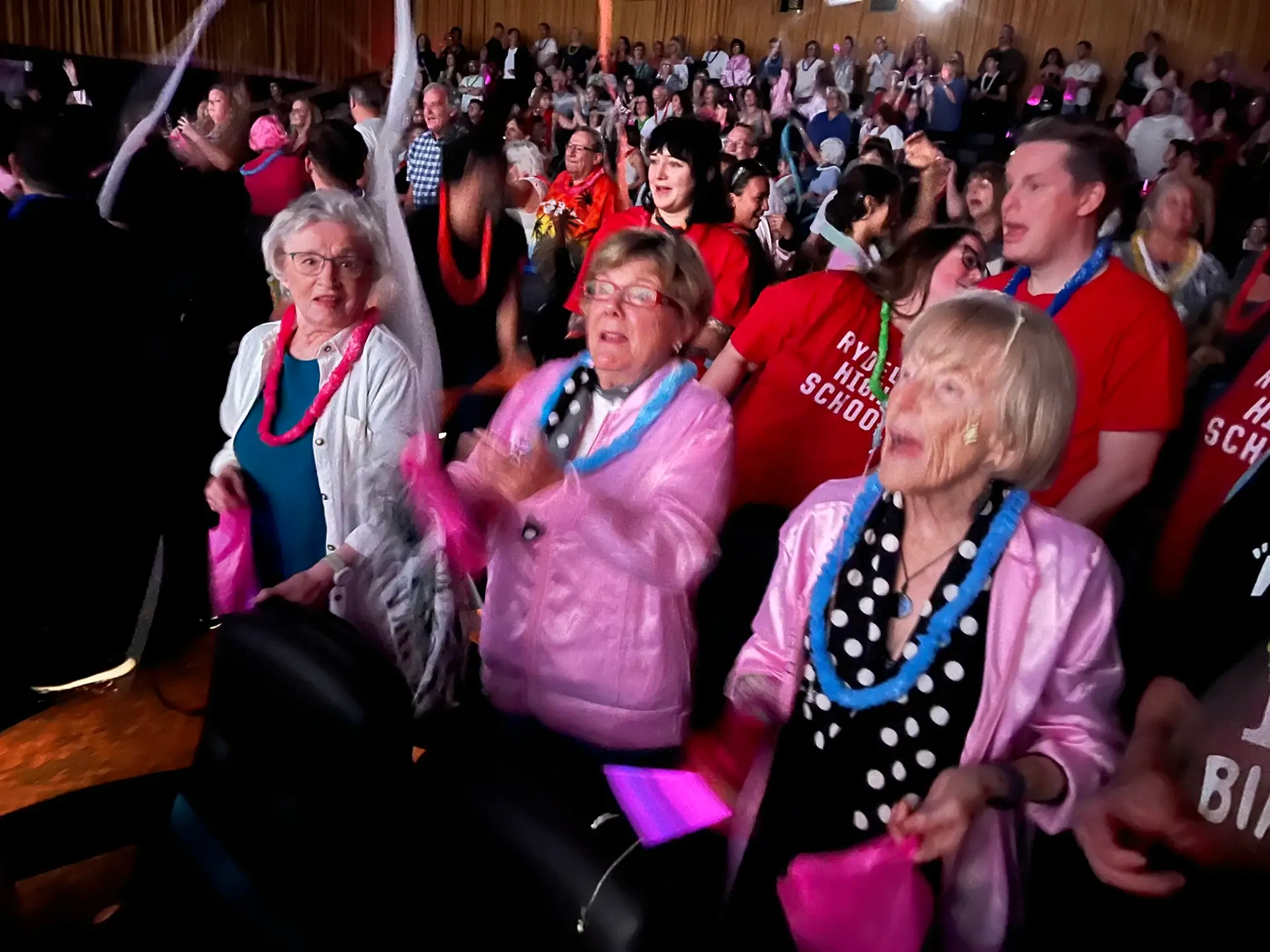
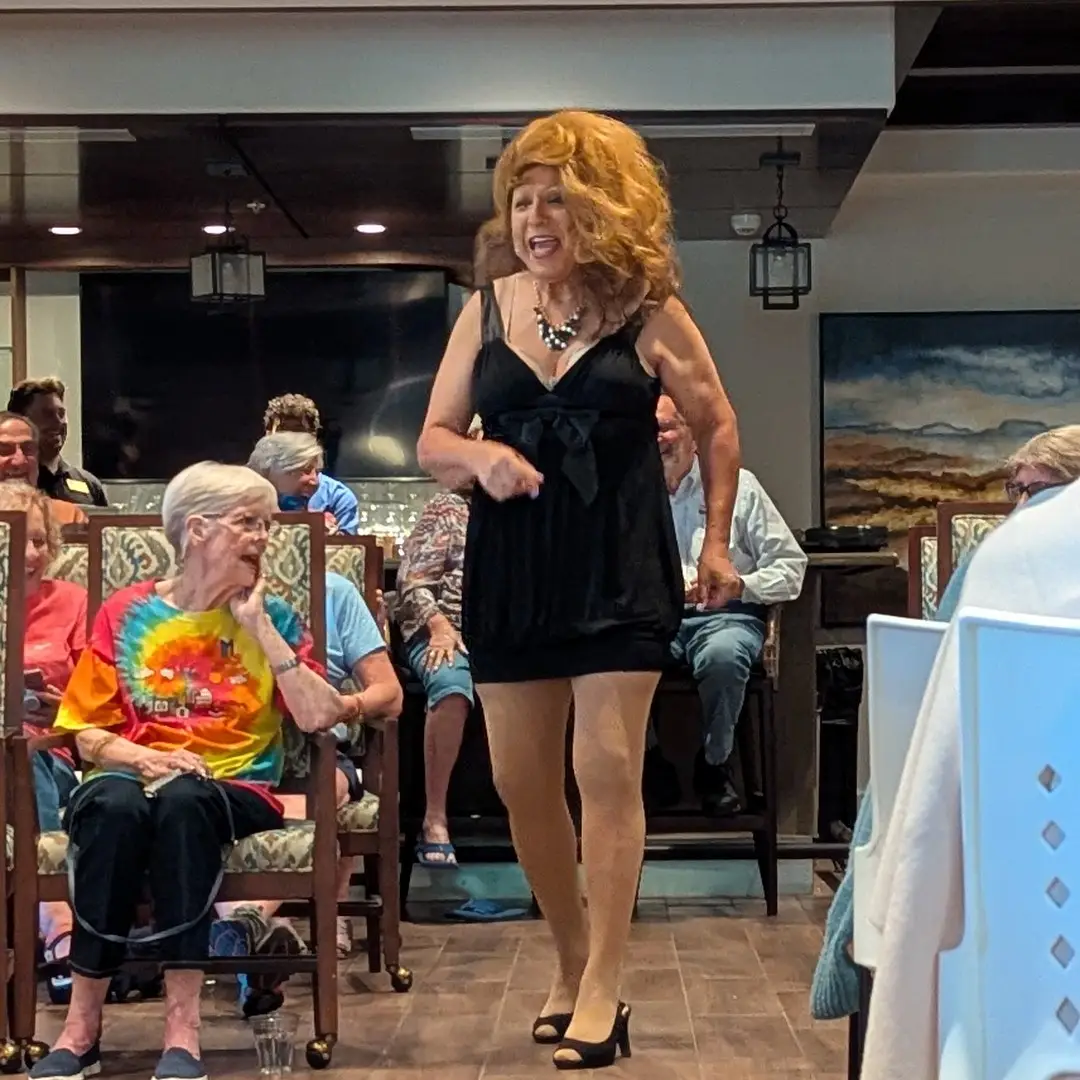
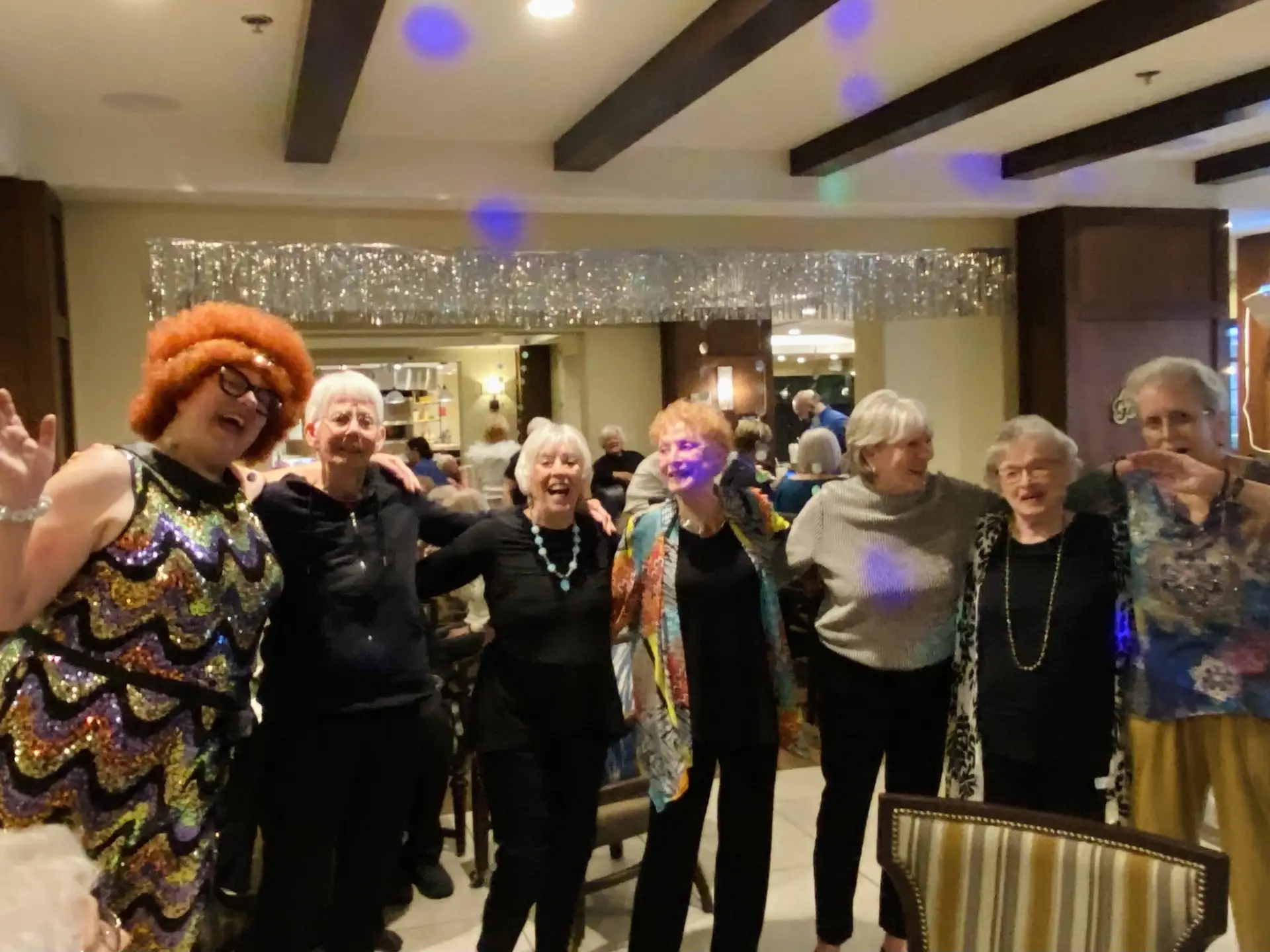
At Hacienda at the Canyon, laughter is embraced as a vital part of wellness. Programs led by Missy Paschke-Wood and the Community Life team incorporate comedy, improvisation, and playful performance as tools for connection. Whether rewriting the lyrics of The Sound of Music to “You are 60 going on 70” or staging parodies of daily life in the community, residents are encouraged to laugh at themselves and with each other.
These humorous performances entertain, and become essential in building resilience, easing tension, and creating a collective joy that strengthens community bonds. In aging, humor becomes more than just a diversion; it reminds residents that joy and laughter are as healing as music or art.
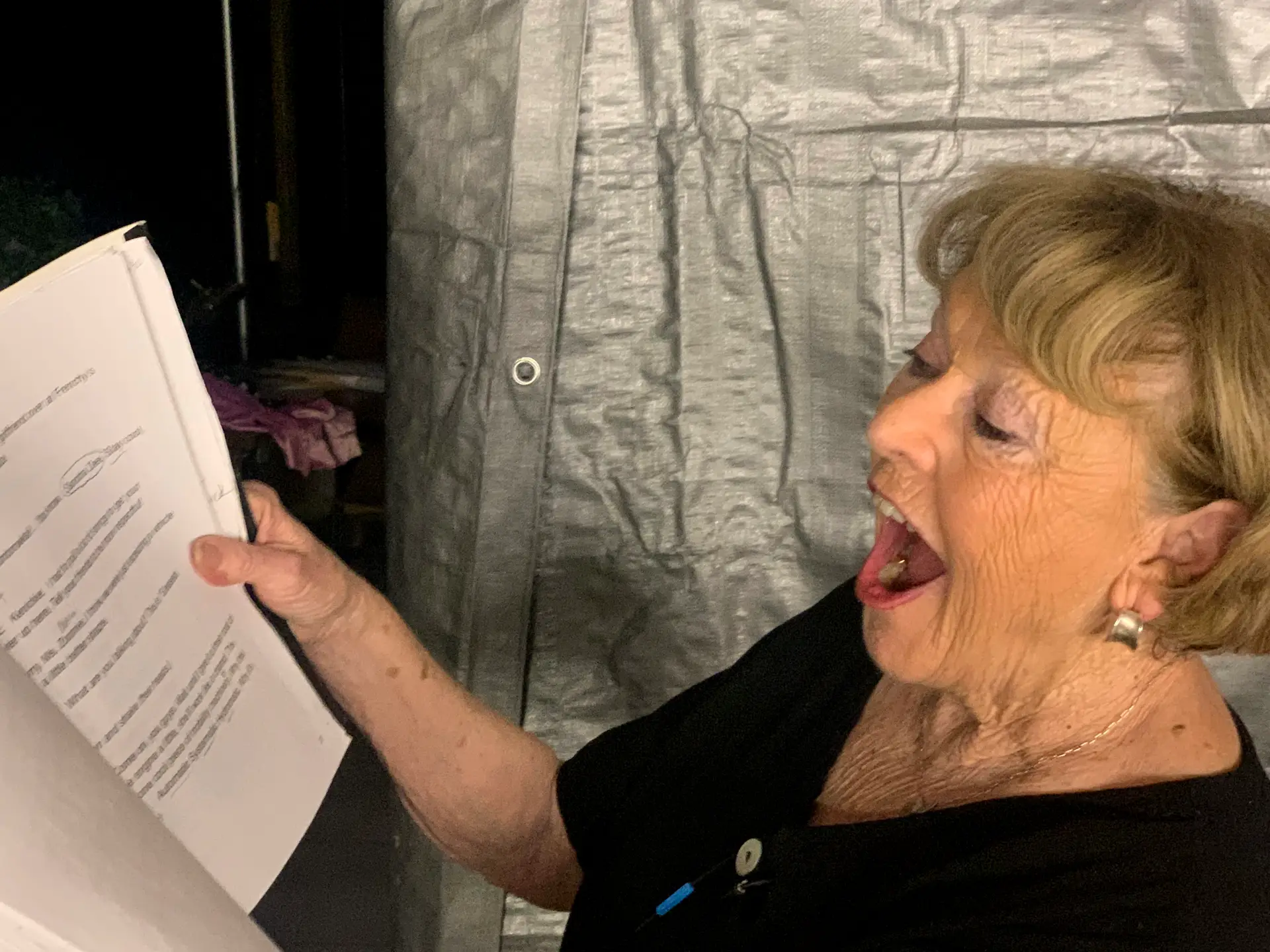
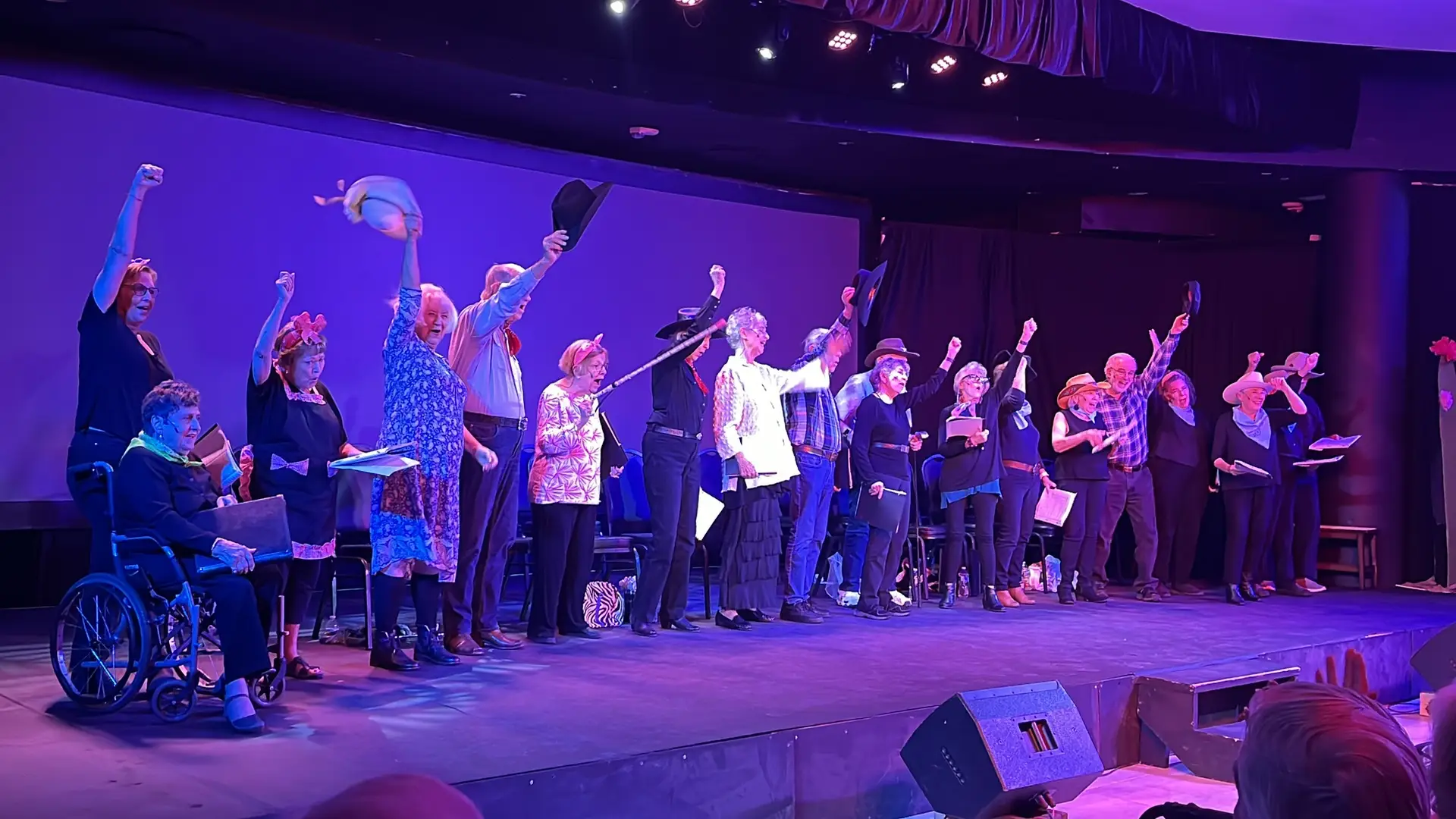
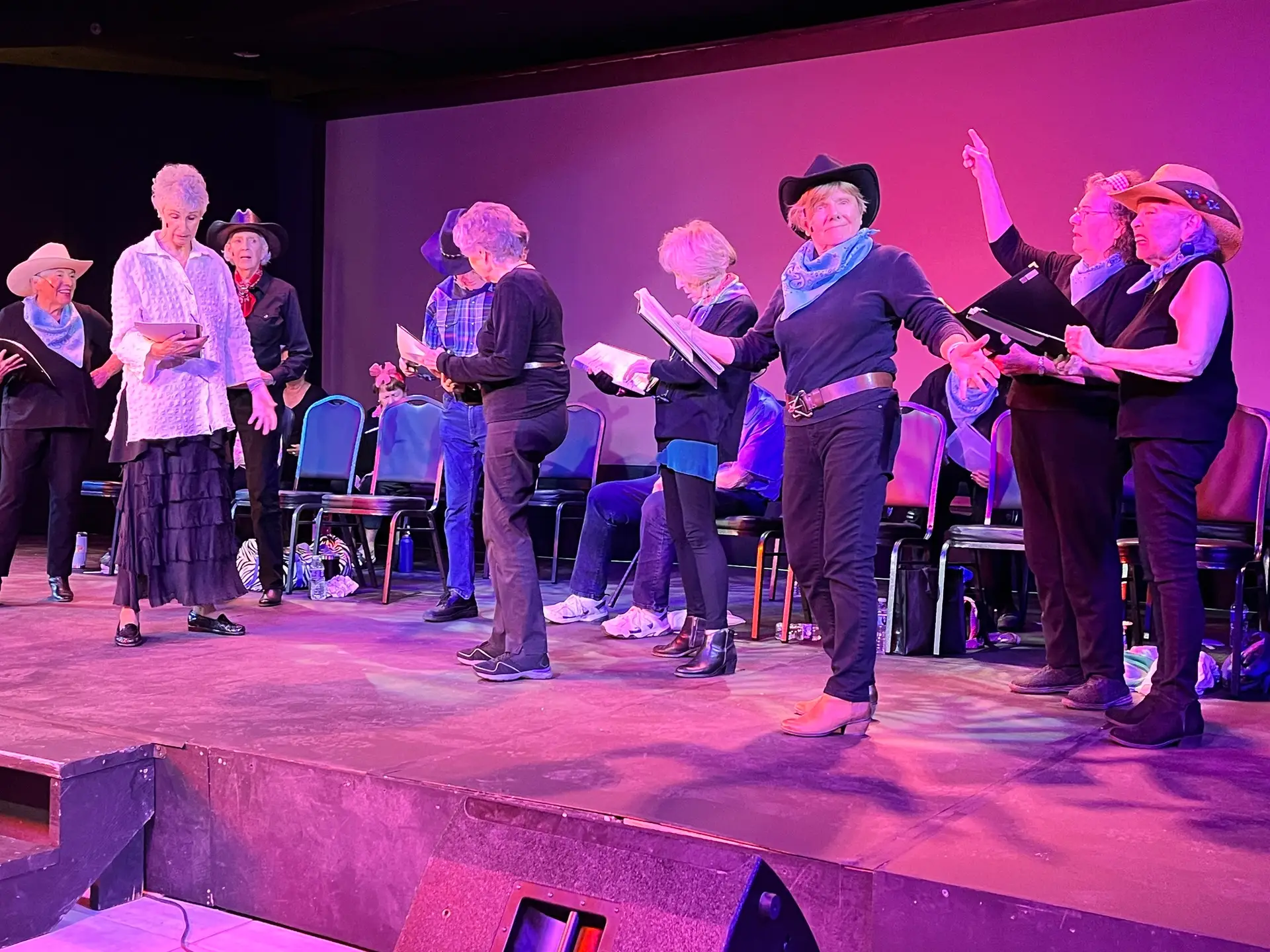
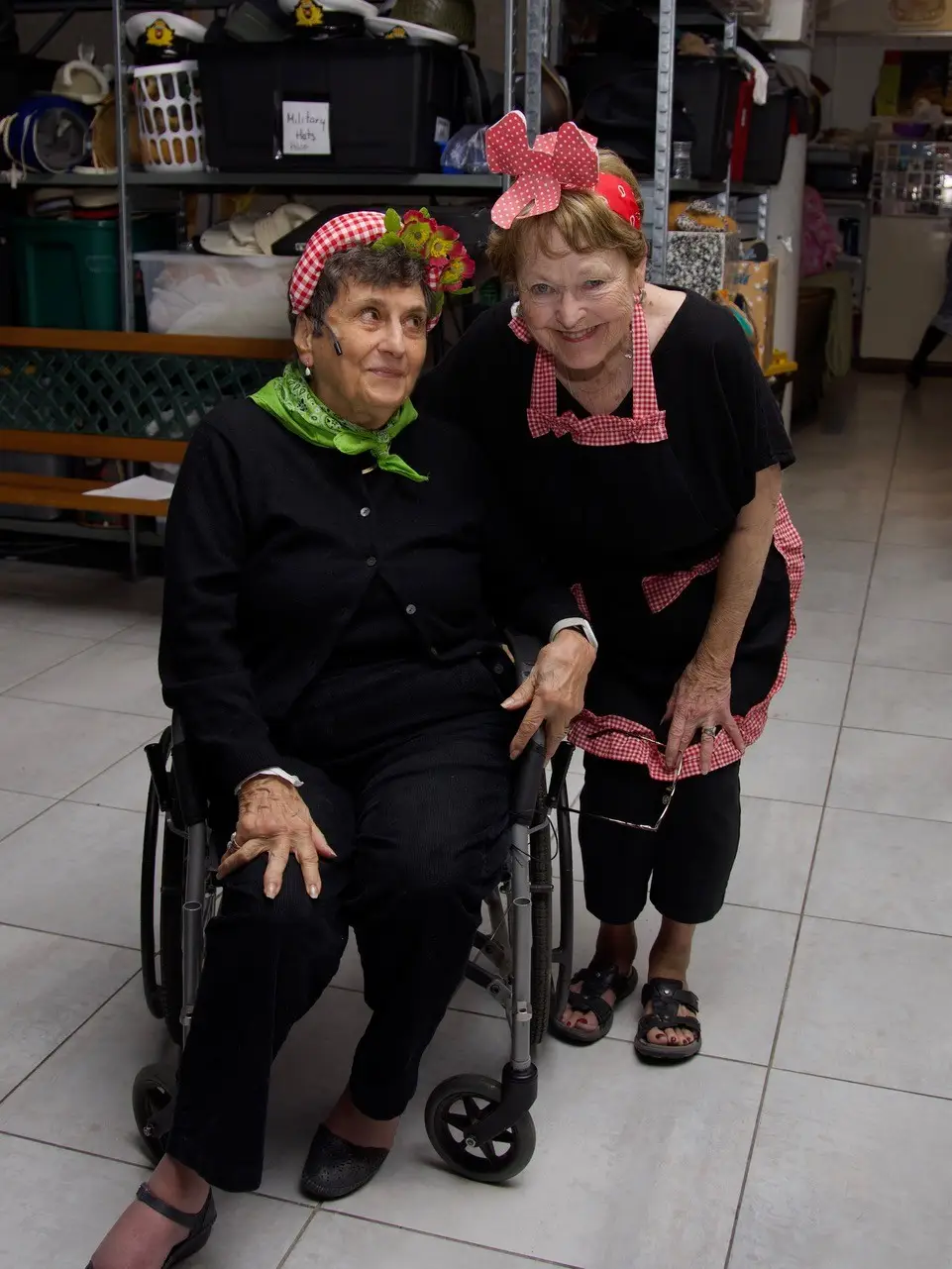
Each summer, Hacienda at the Canyon transforms into a theater as residents and staff produce an original community musical. Scripts are rewritten classics infused with local humor, sets are built in the Art Barn, and costumes are designed by residents themselves. Some perform on stage while others manage lighting, makeup, or choreography. Everyone has a role, and everyone is valued.
The productions embody the belief that art is participatory. Residents who never imagined themselves on stage find joy in rehearsal; those who loved theater in youth rediscover their passions. Families fill the audience, proud to see their loved ones not just aging, but thriving as creators. These productions demonstrate the heart of creative aging: that expression, collaboration, and joy can define this stage of life as much as any other.
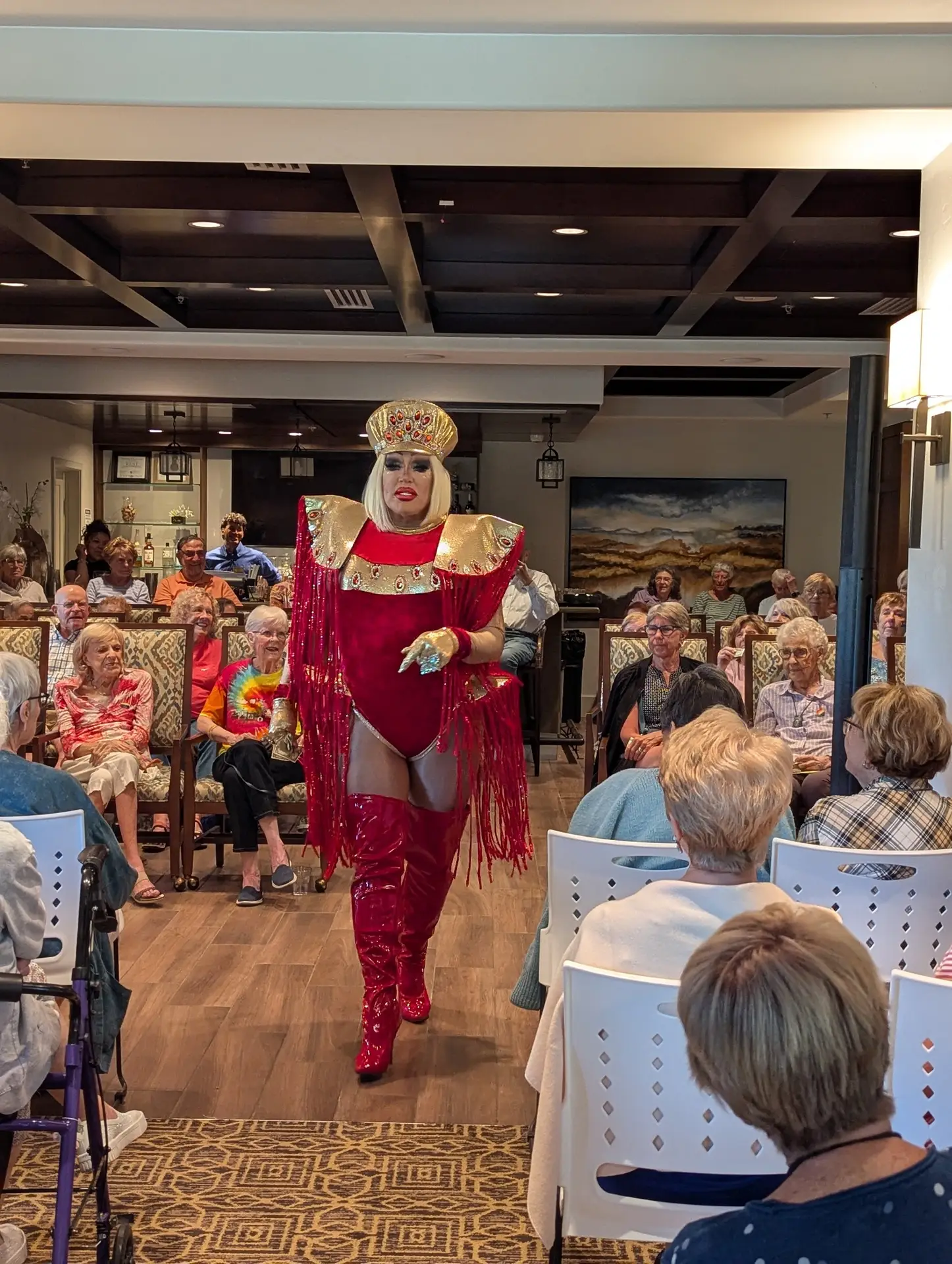
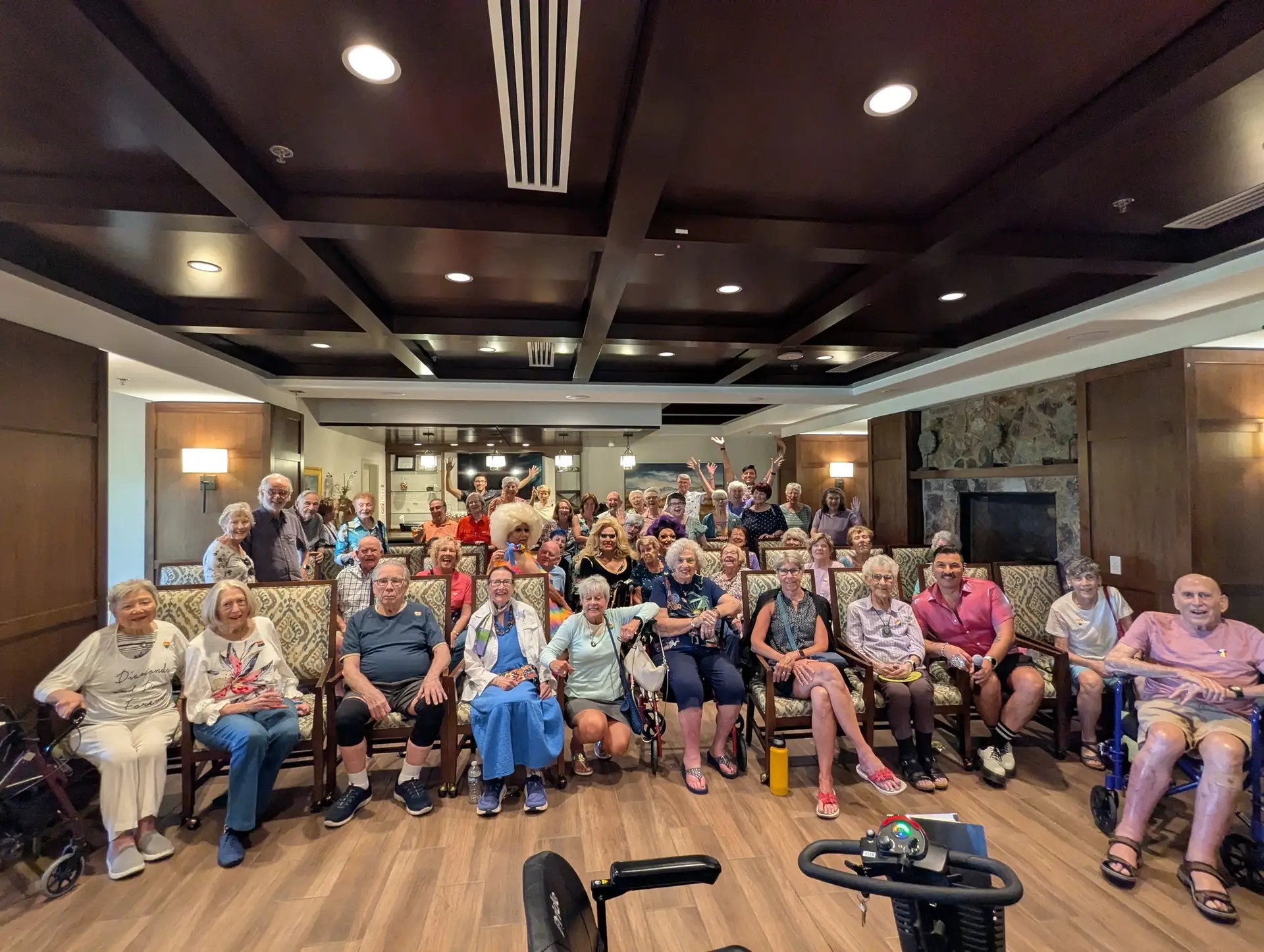
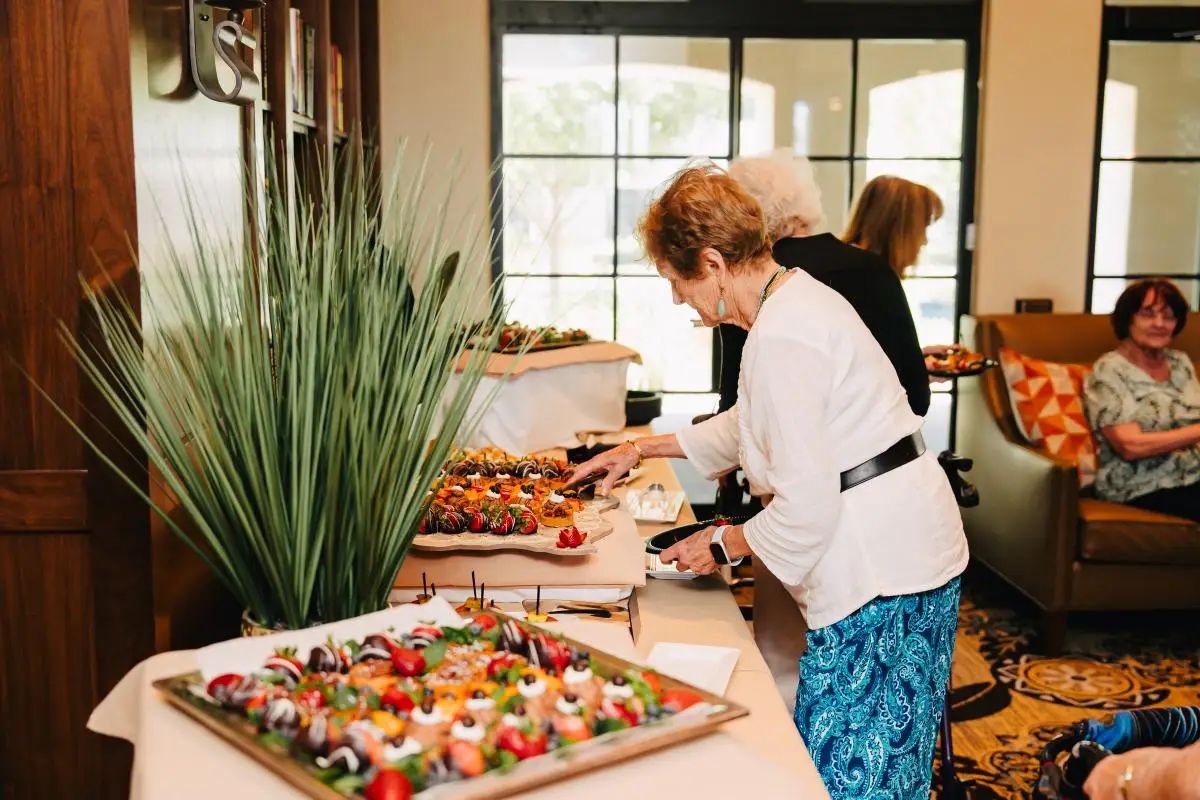
Watermark communities do not confine art to studios or galleries—they weave it into the rhythms of community life. Family-friendly programs invite children and grandchildren to join holiday concerts, art fairs, and cultural events. Opera performances and car shows sit side by side with craft markets and storytelling nights, ensuring there is something for everyone.
These events strengthen bonds between residents, families, and neighbors. They remind the wider community that Watermark campuses are not closed off and are a vital part of a vibrant cultural ecosystem. For residents, these shared experiences create a sense of belonging and spark excitement. For families, they are cherished moments of connection across generations. And for communities, they are proof that senior living can be both supportive but celebratory, where the arts become the common ground that brings us all together.
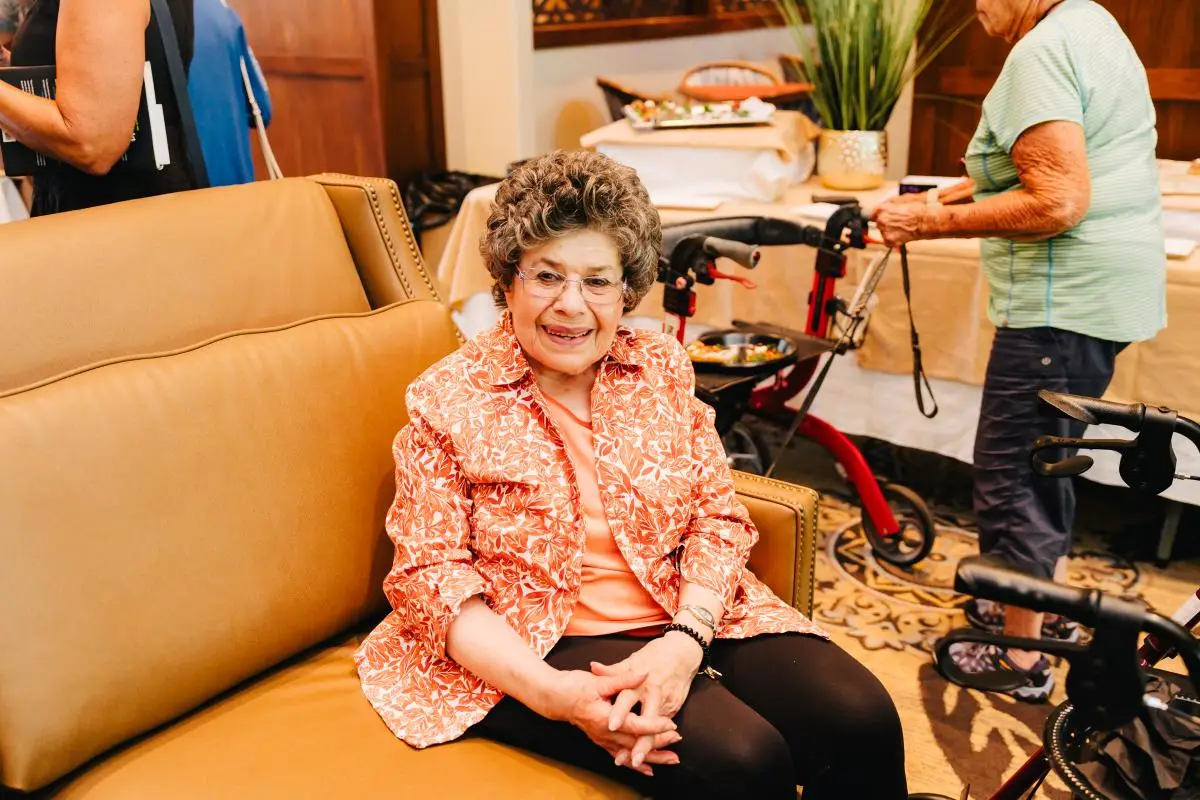
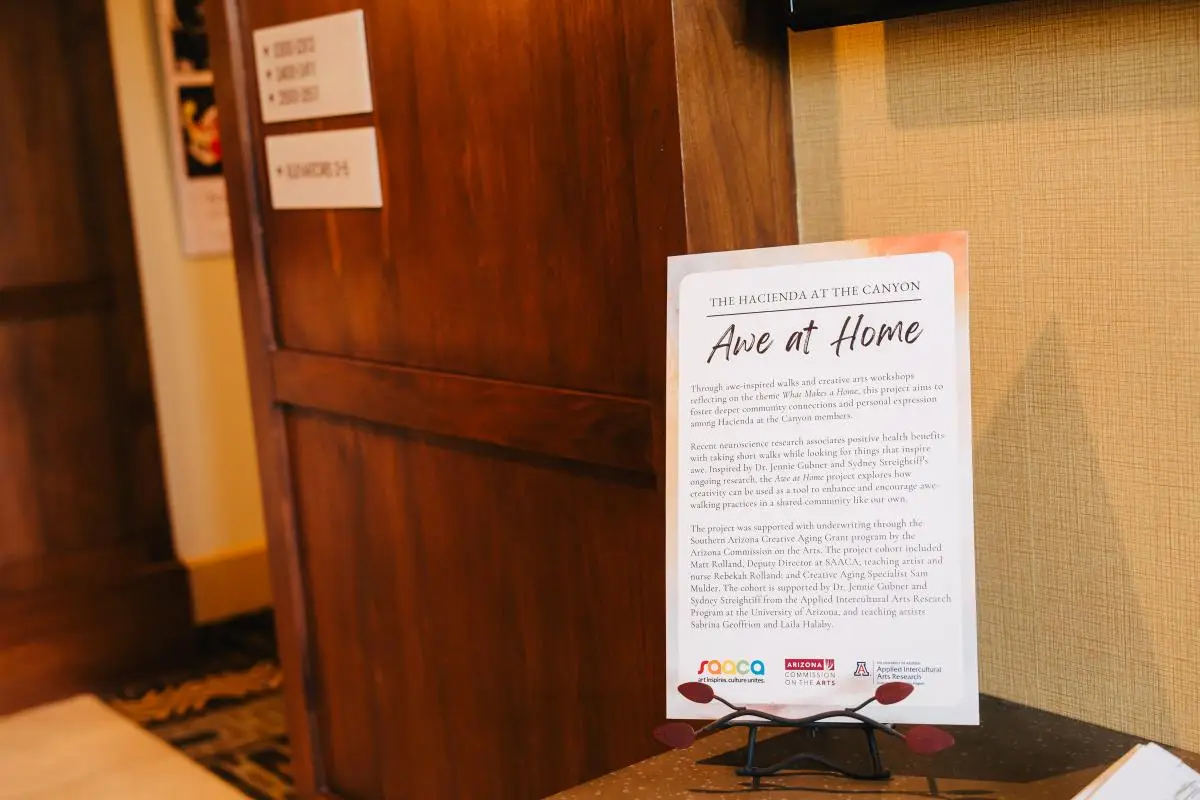
The AWE at Home project, supported by the Arizona Commission on the Arts, invited residents of Hacienda at the Canyon to explore the question: What makes a home? Through awe walks, creative writing, movement, and visual storytelling, more than 25 residents reflected on memory, identity, and imagination.
The outcomes were deeply personal. A resident in memory care wrote her first poem in Spanish, moving her husband and children with her words. A retired scientific illustrator used a USB microscope to create luminous photographs of desert flora, sparking conversations and pride in her past career. Movement workshops turned walkers and wheelchairs into tools of art, transforming limitations into expressions of creativity.
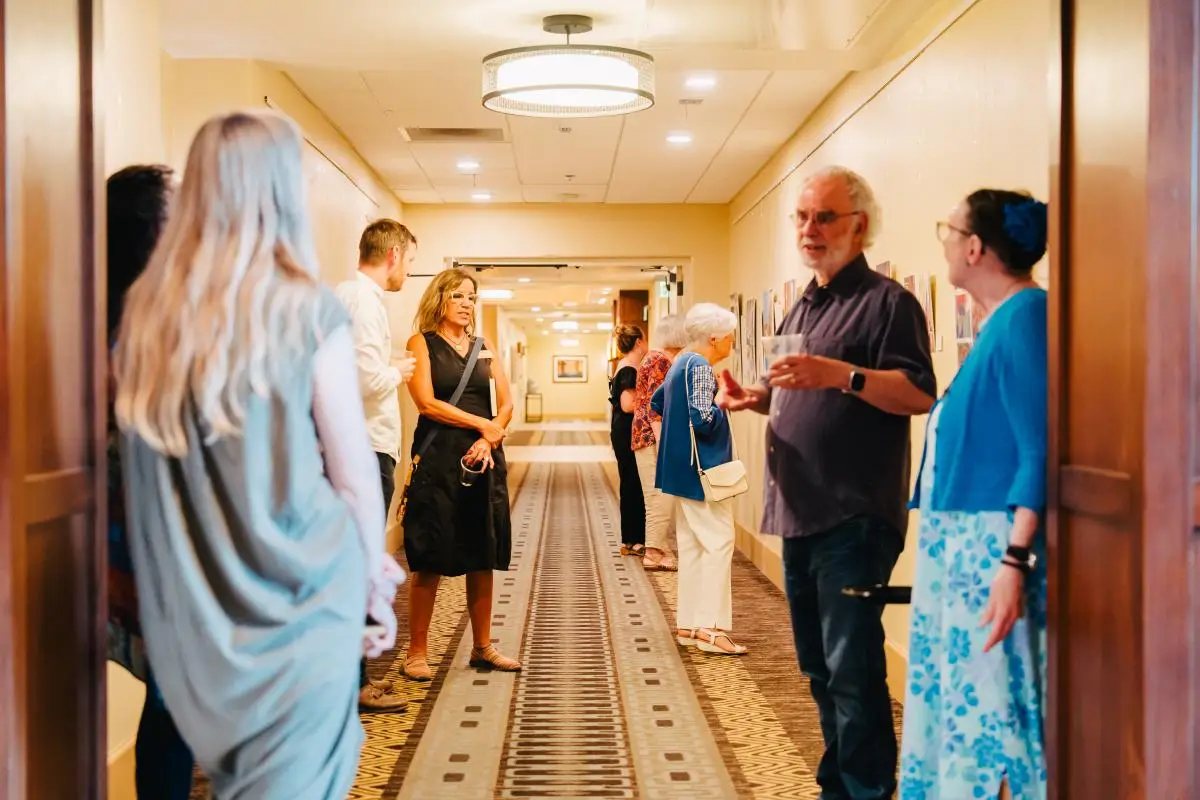
The culminating gallery exhibition displayed poems, photographs, and visual works that demonstrated artistic skills—and profound courage. For many residents, it was the first time their creations had been shown publicly. The project affirmed that awe and imagination are not bound by age, and that when we make space for creativity, we open doors to belonging, healing, and joy.
The Southern Arizona Arts & Cultural Alliance is now Art State Arizona

Copy of Art State Arizona Transition Business Card (2)

Subscribe To Our Weekly Newsletter

Get notified about new events, artist opportunities, and free arts experiences