Search any keyword here

Youth transform communities with public art celebrating community, nature, and identity.
TABY empowers youth to build skills while shaping Arizona’s cultural landscape.
Young artists bring community voices to life through color, design, and story.
Public art becomes workforce training ground for the next generation of creators.
Students blend tradition and innovation, crafting artworks that reflect community pride.
Every TABY project is a living gateway of storytelling and connection.
Transforming transportation corridors into cultural landmarks through the vision of youth.

Transportation Art by Youth

Creativity, collaboration, and community define the youth-led TABY public art program

TABY at a Glance: Youth Making Transit Public Art Count

What is TABY?
TABY—Transportation Art by Youth—is a long-running summer initiative launched by the Pima Association of Governments (PAG) through its Transportation Improvement Program. Since its start in 1995, TABY has provided paid summer employment to youth artists, inviting them to collaborate on public artworks that enrich transportation corridors and community identity.
Program Structure & Goals
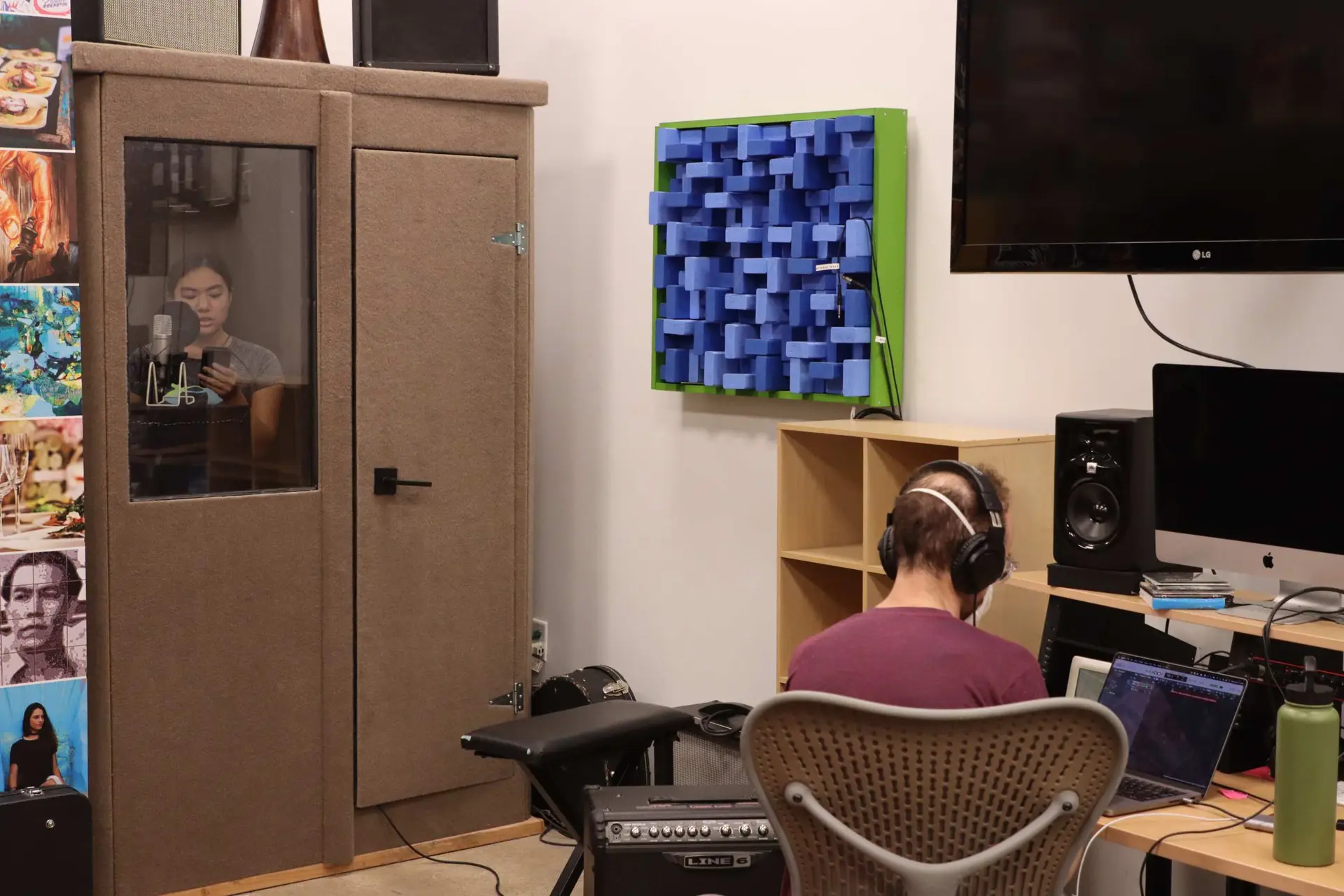
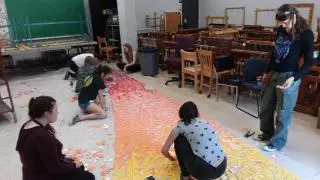
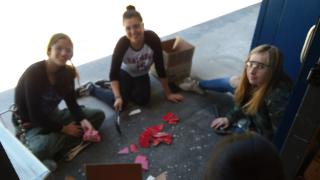
  • Eligibility & Participation: Youth (typically ages 16–18) are hired and work alongside a professional teaching artist, engaging in all phases of public art—from concept to installation.
  • Timeline & Compensation: The program usually spans 8–9 weeks, offering meaningful paid experience and an invaluable workforce development opportunity, while nurturing artistic growth and civic pride.
  • Artistic Intent: Projects are designed to humanize roadways, elevate gateway identity, and reflect community character through accessible, public-facing art.

TABY is the gold standard for combining youth employment, public art, and community collaboration through meaningful jobs. Since 1995, it’s churned out place-defining artworks while empowering young creatives to shape how their city looks and feels.

2022 Transportation Art by Youth

Transportation Art by Youth – Oro Valley 2022
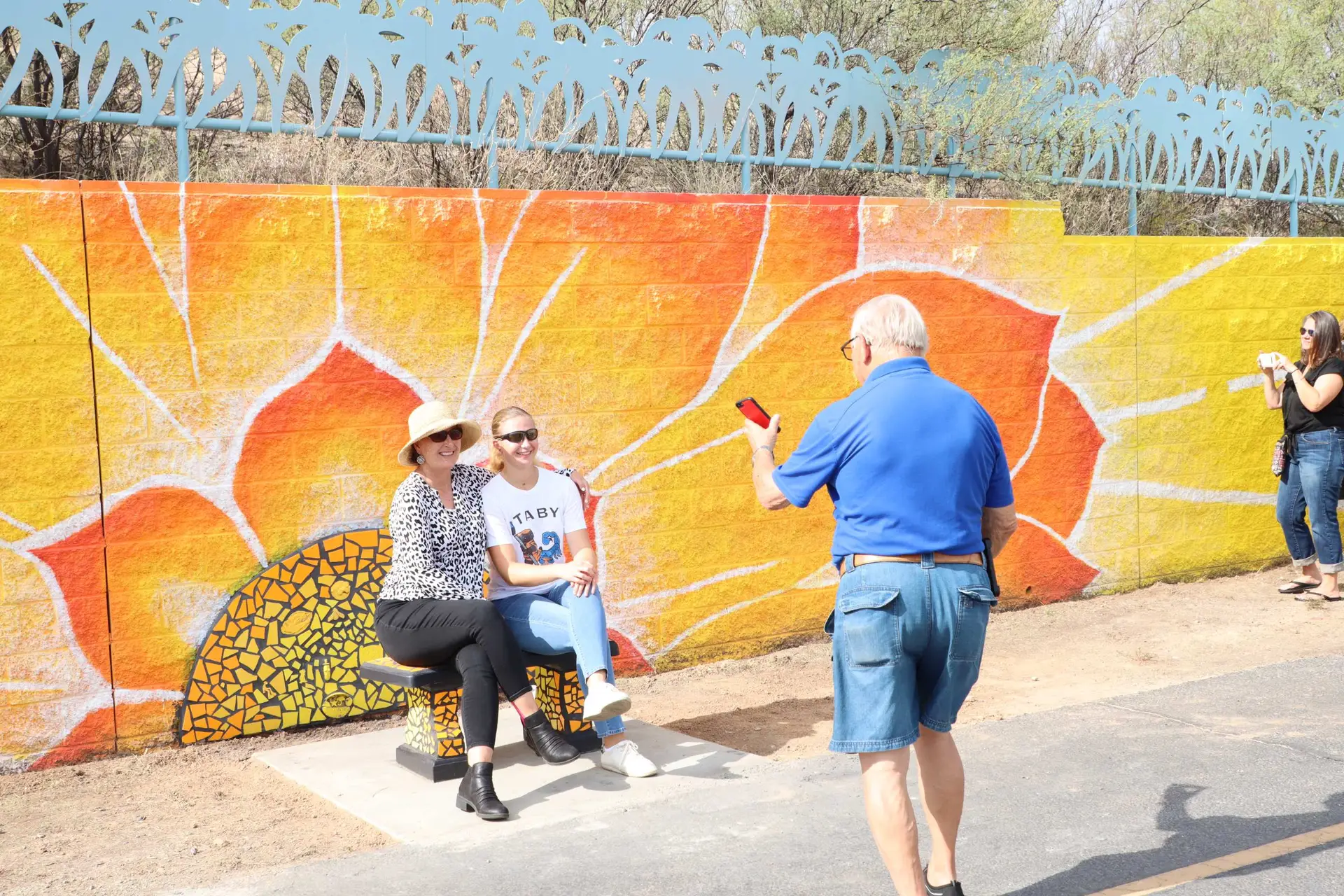
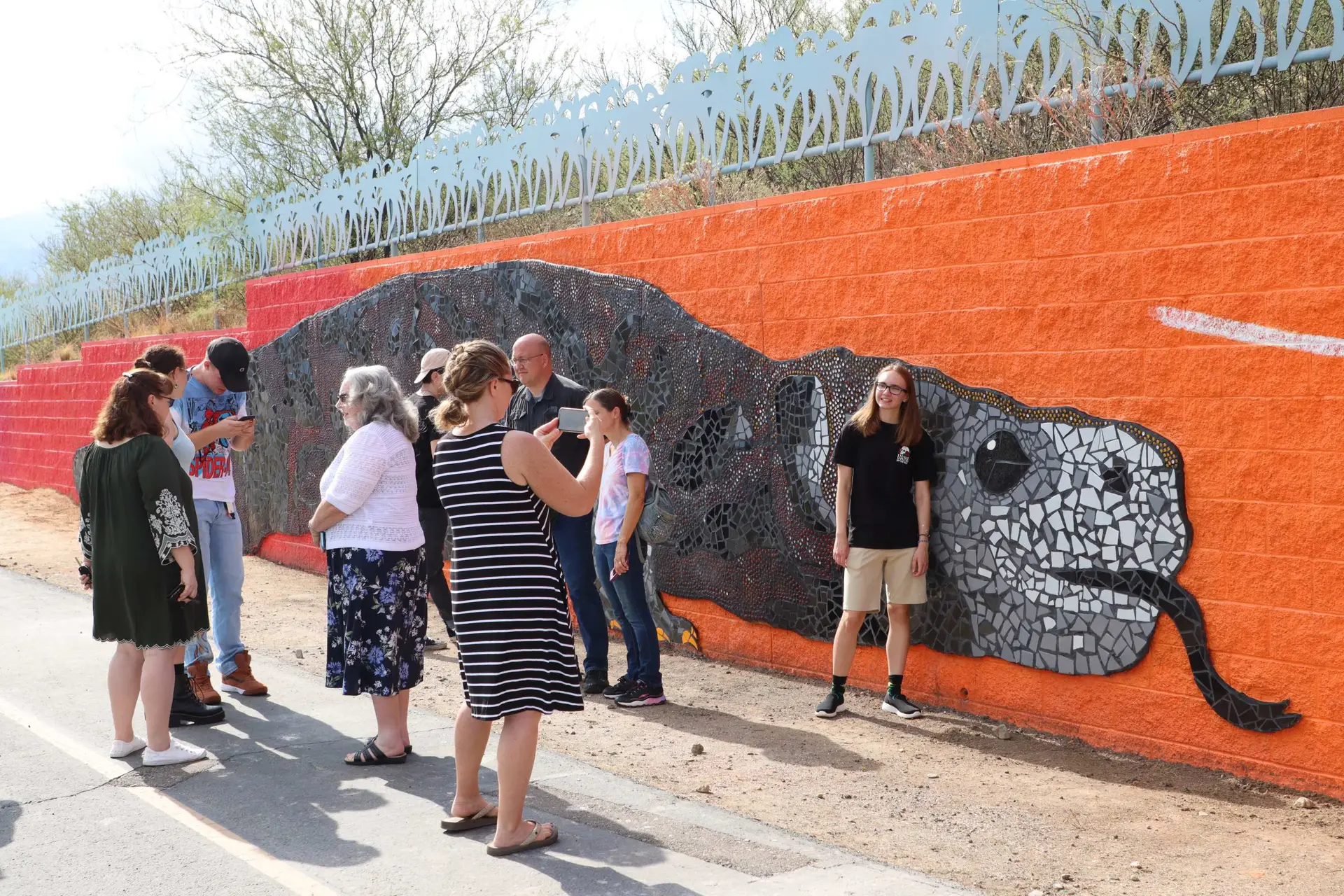
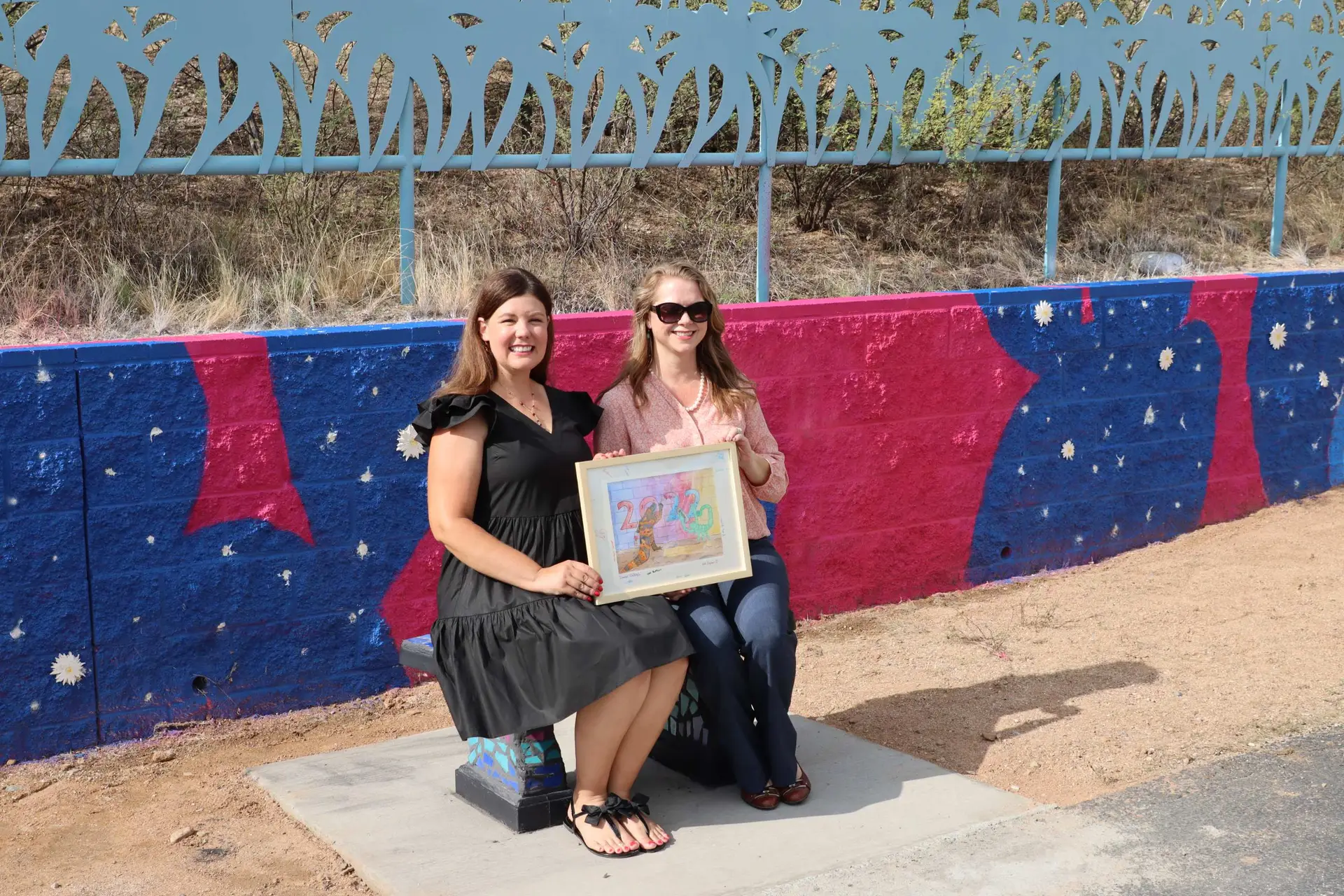
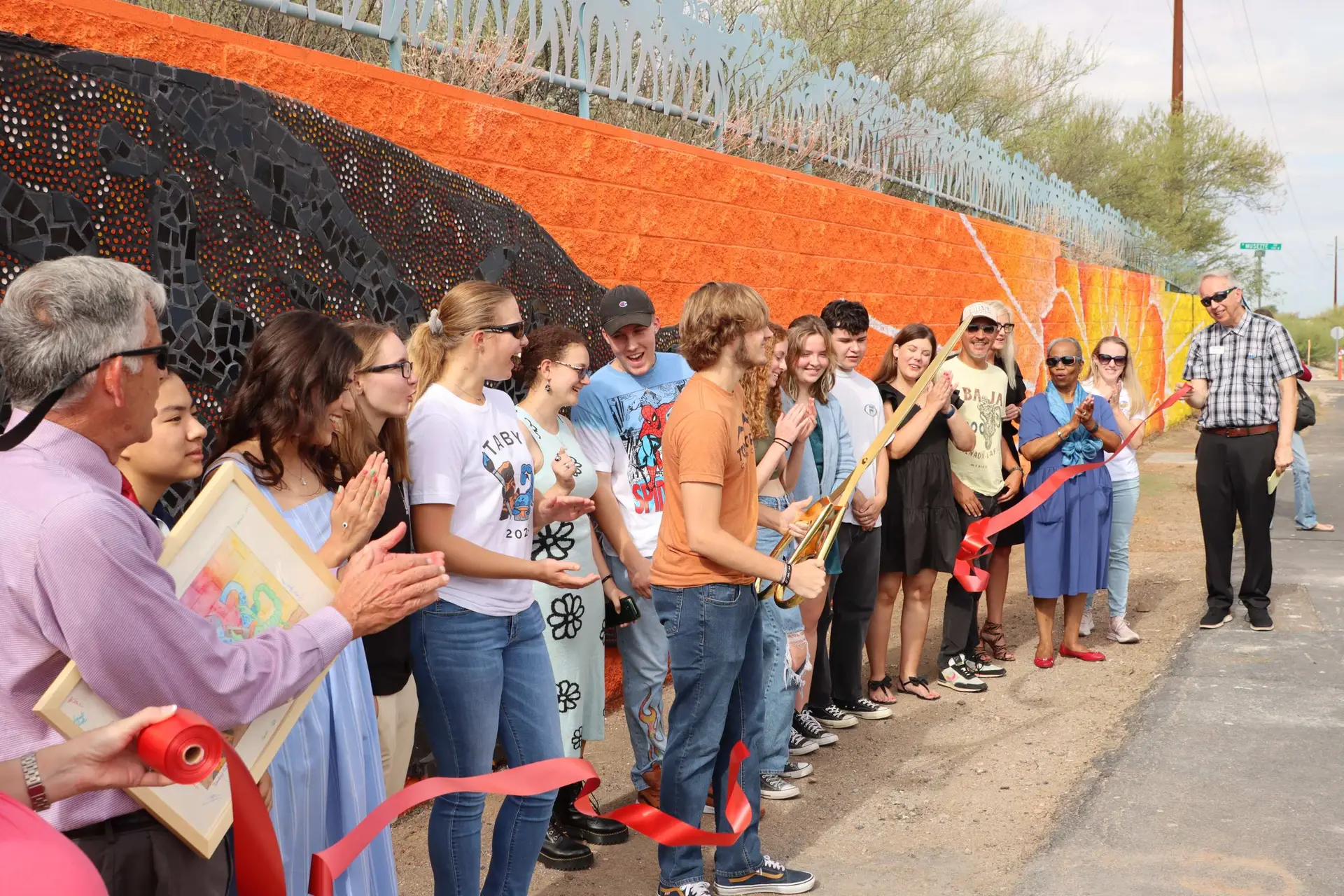
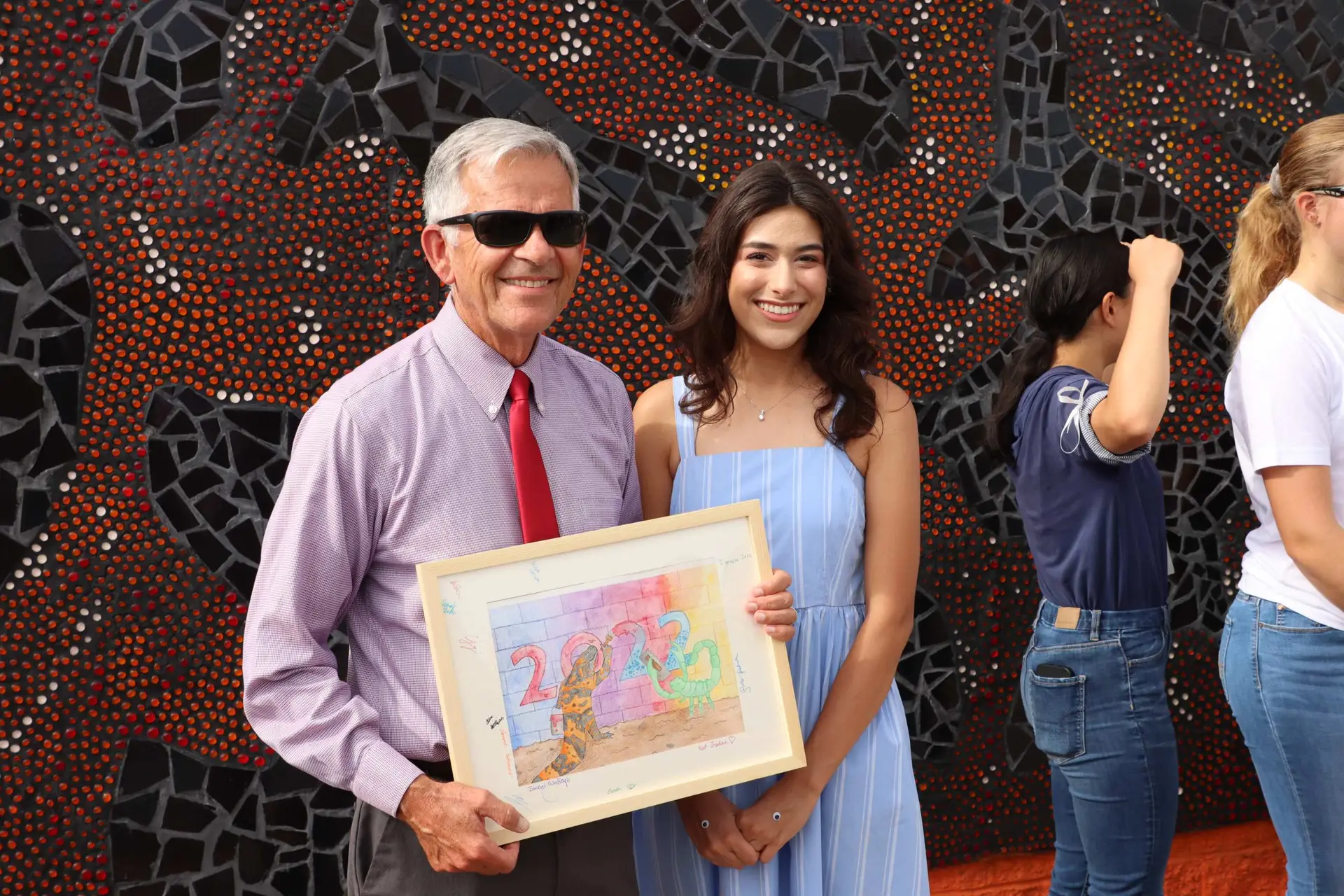
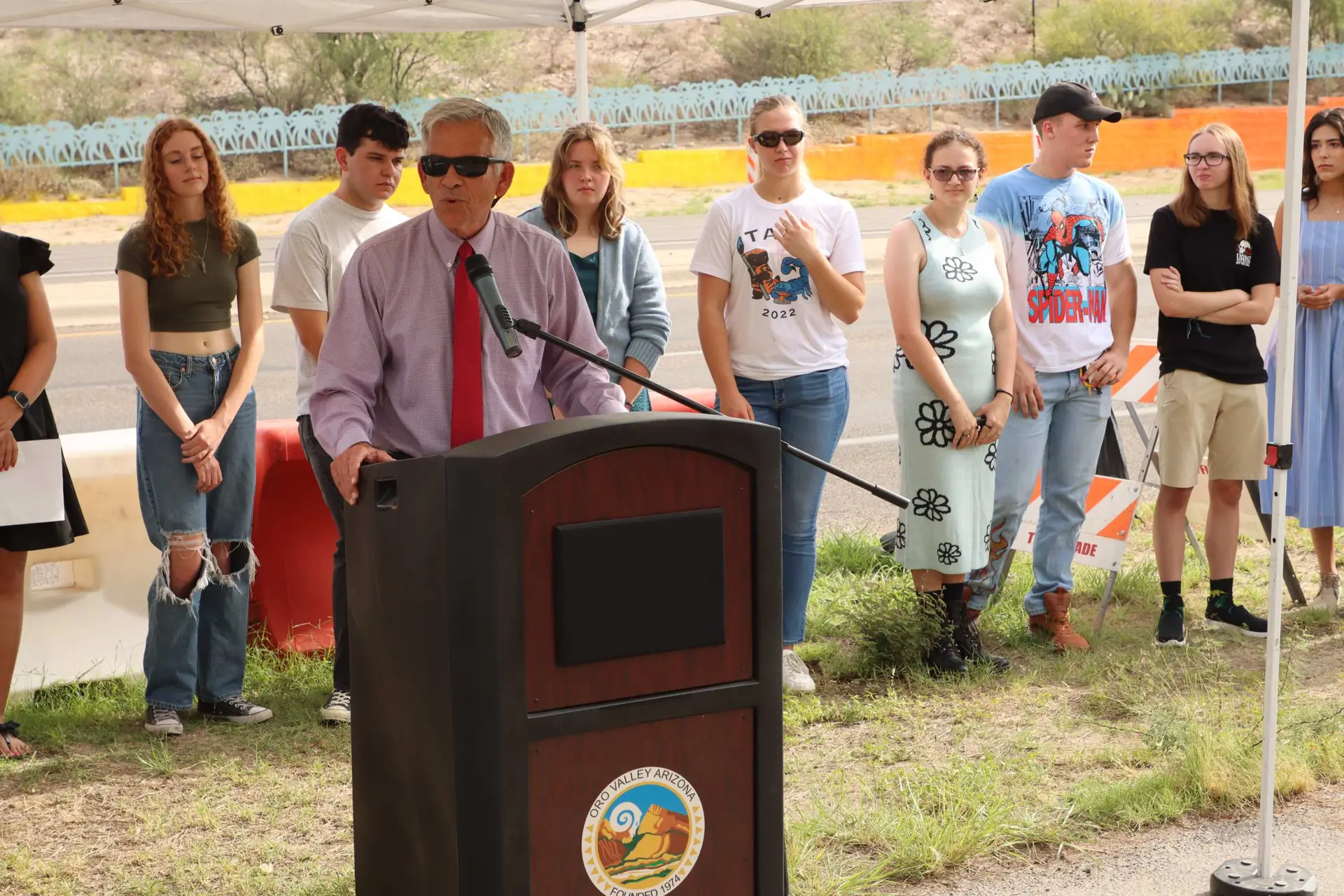
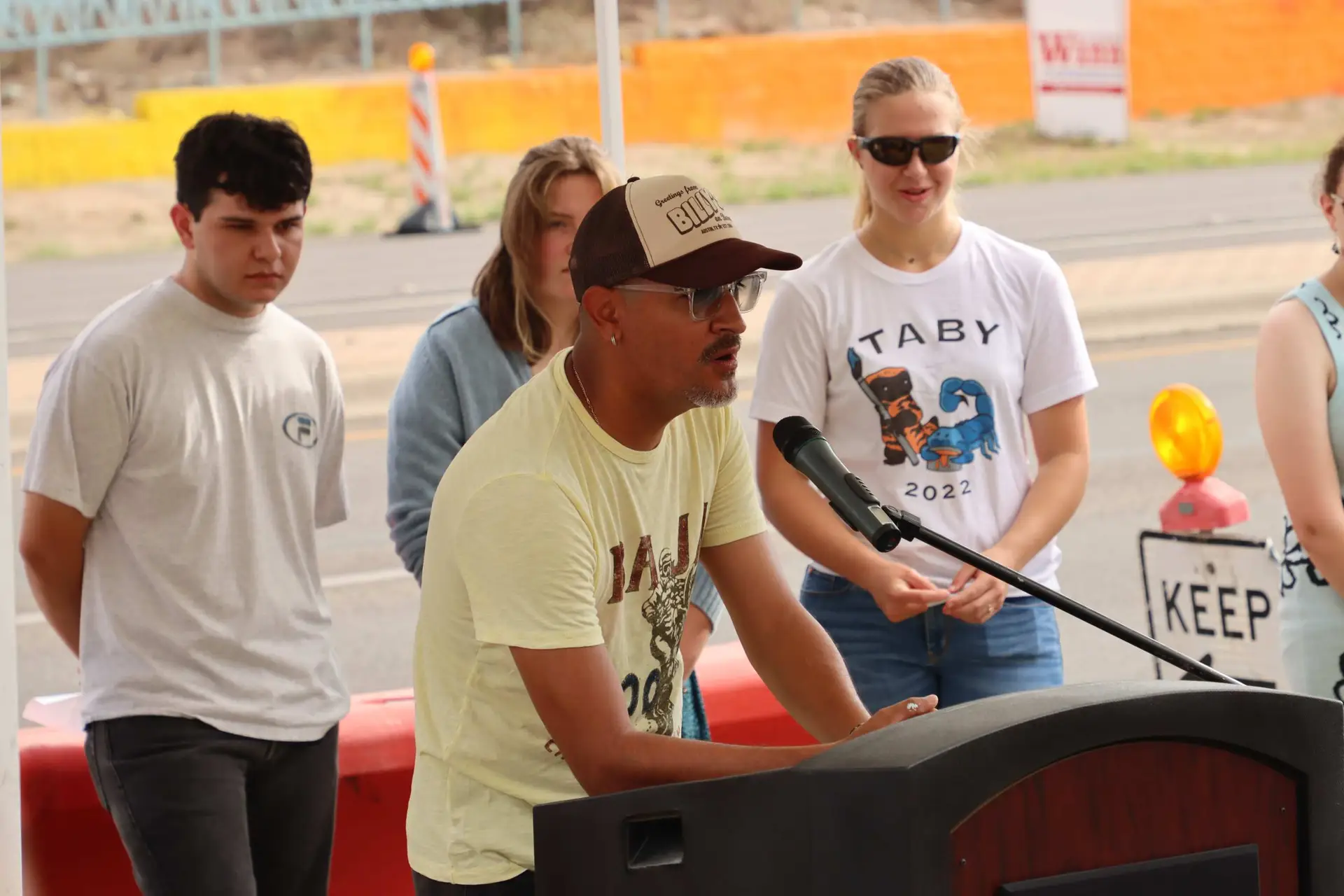
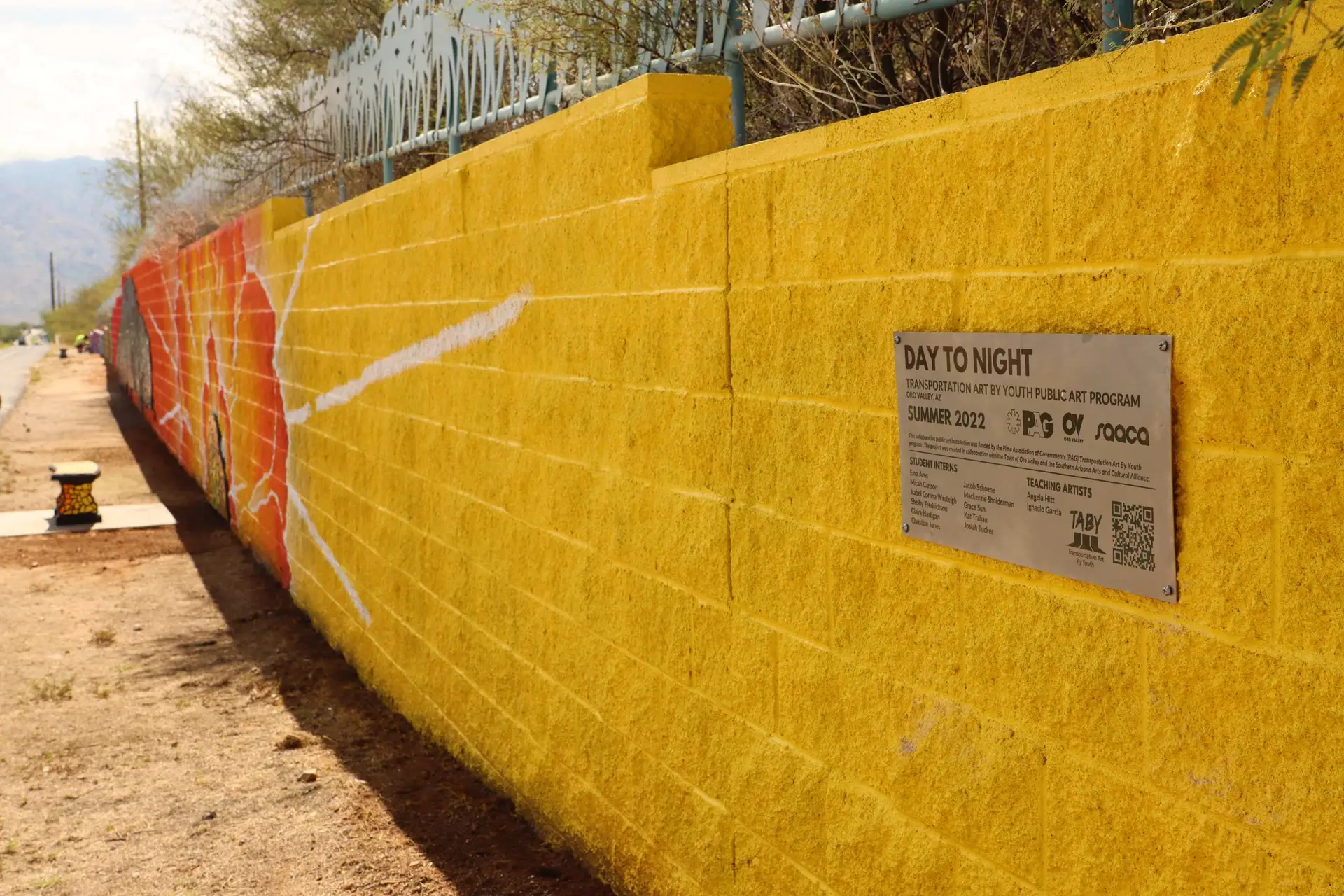
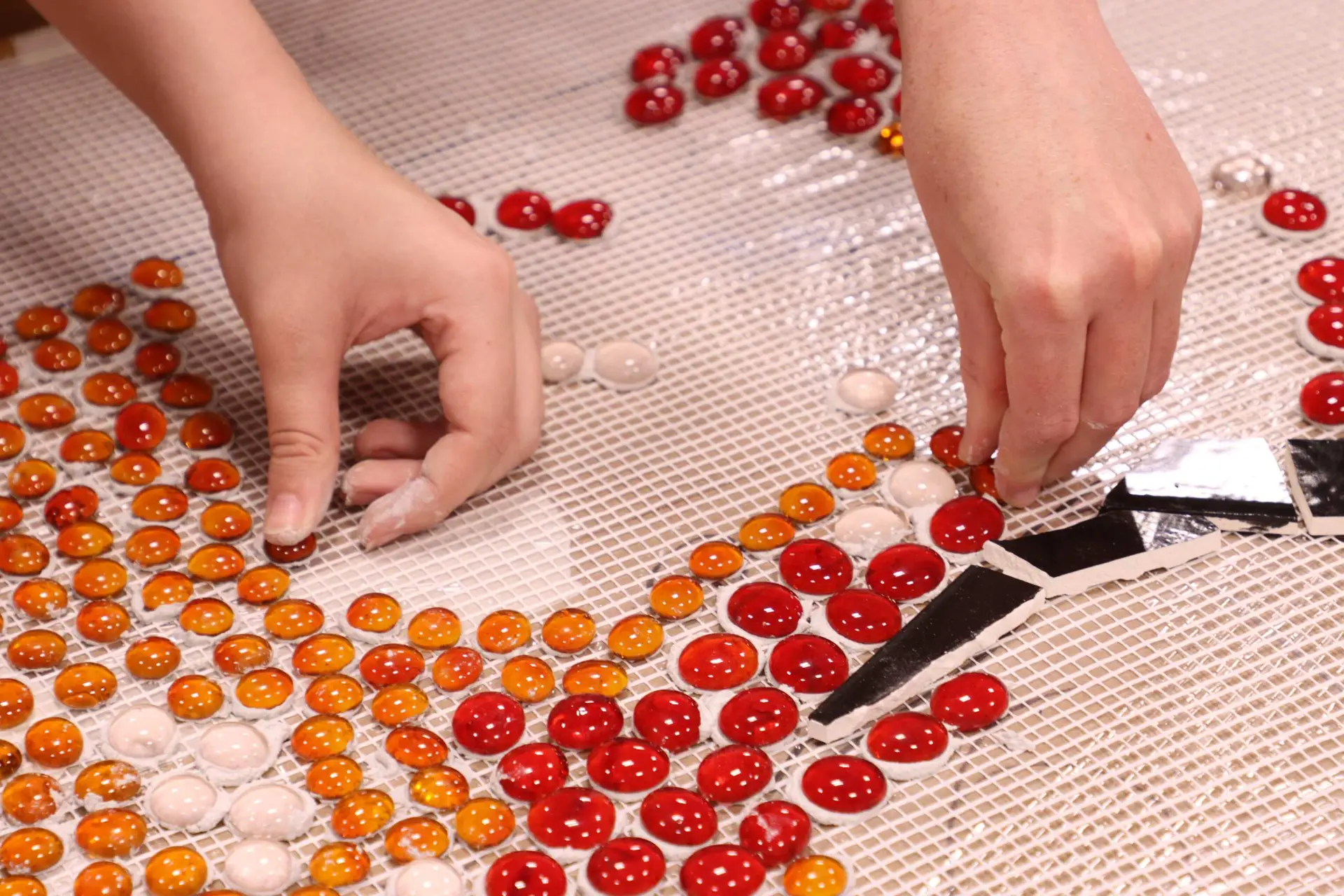
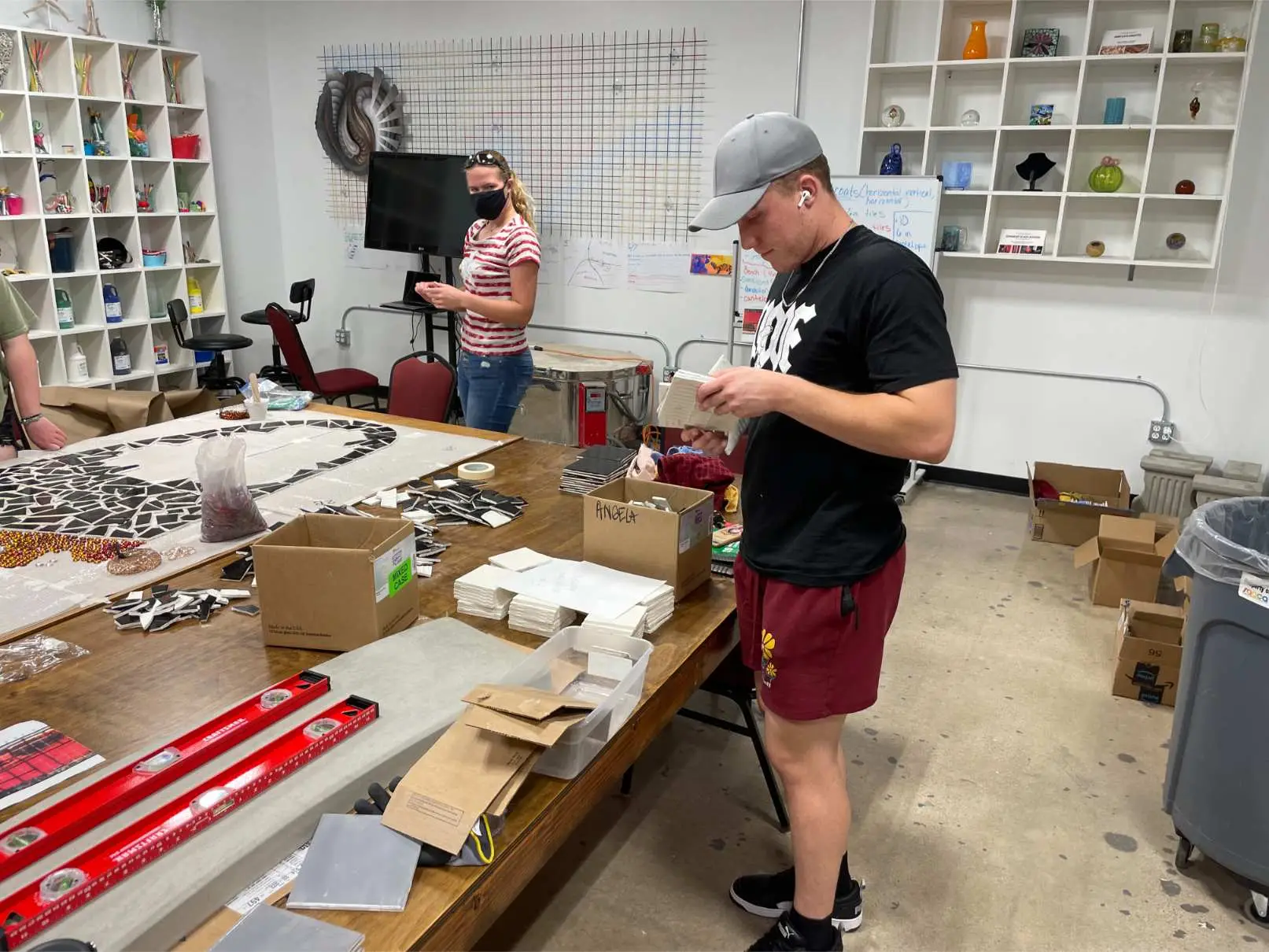
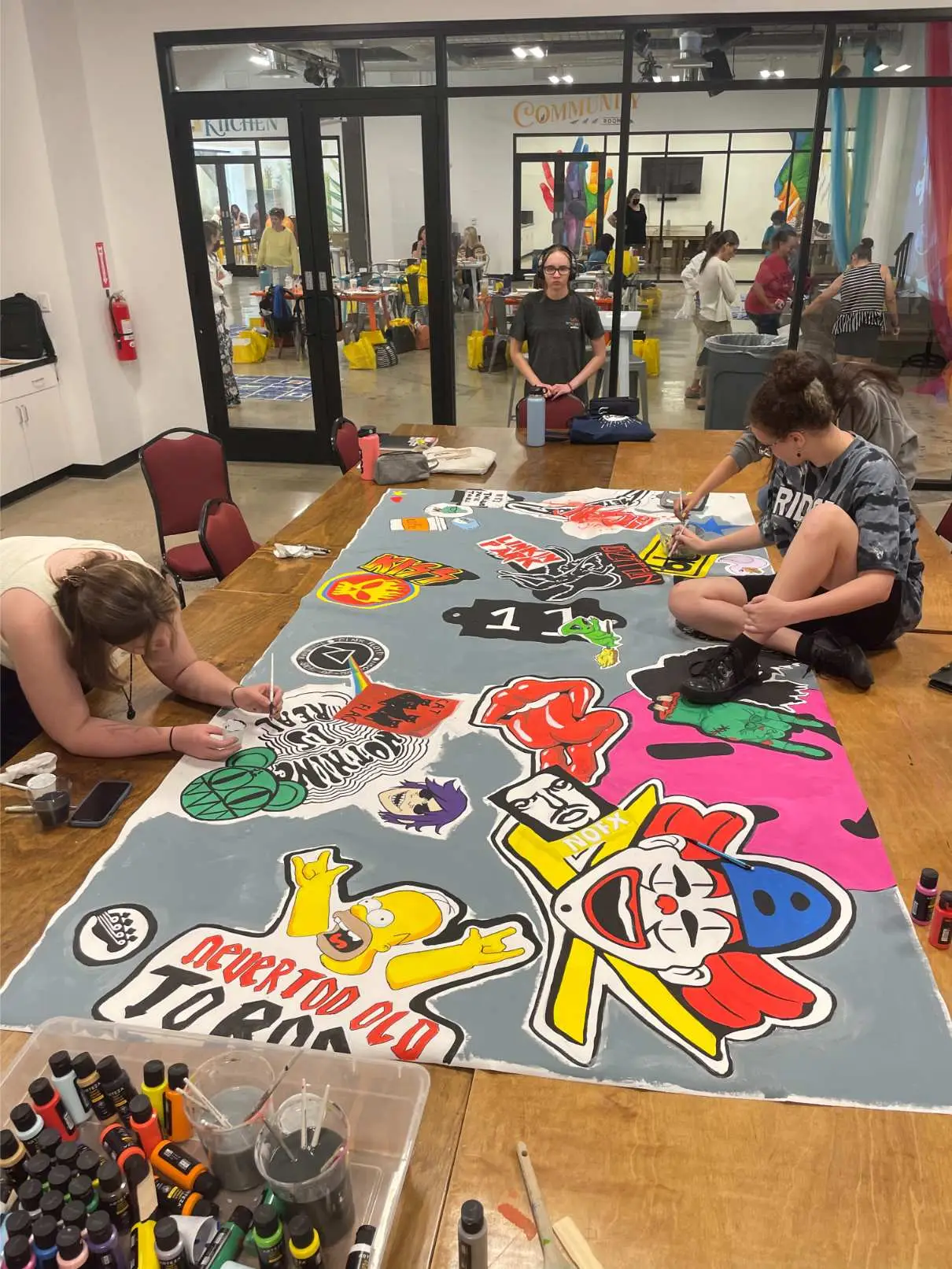
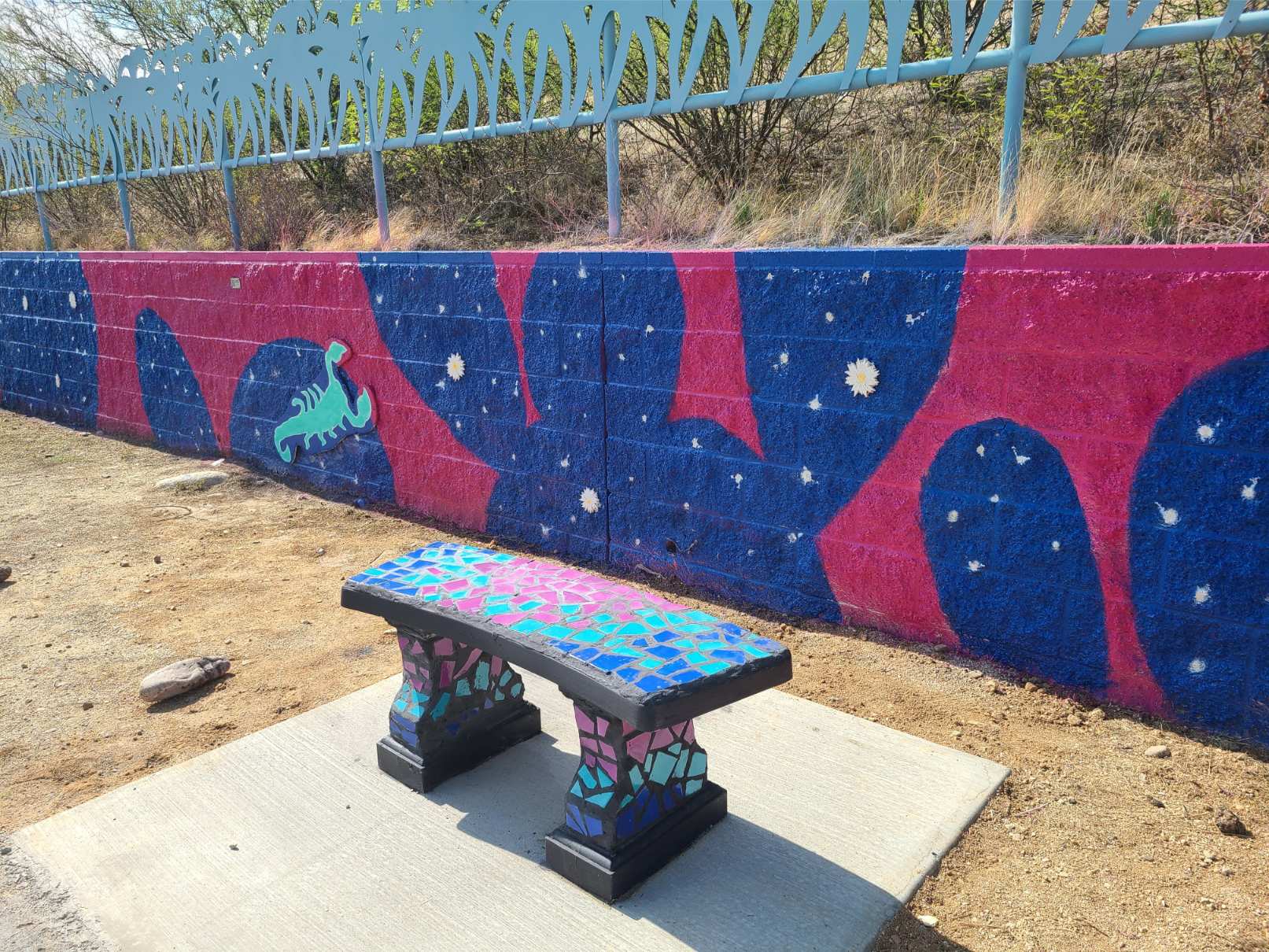
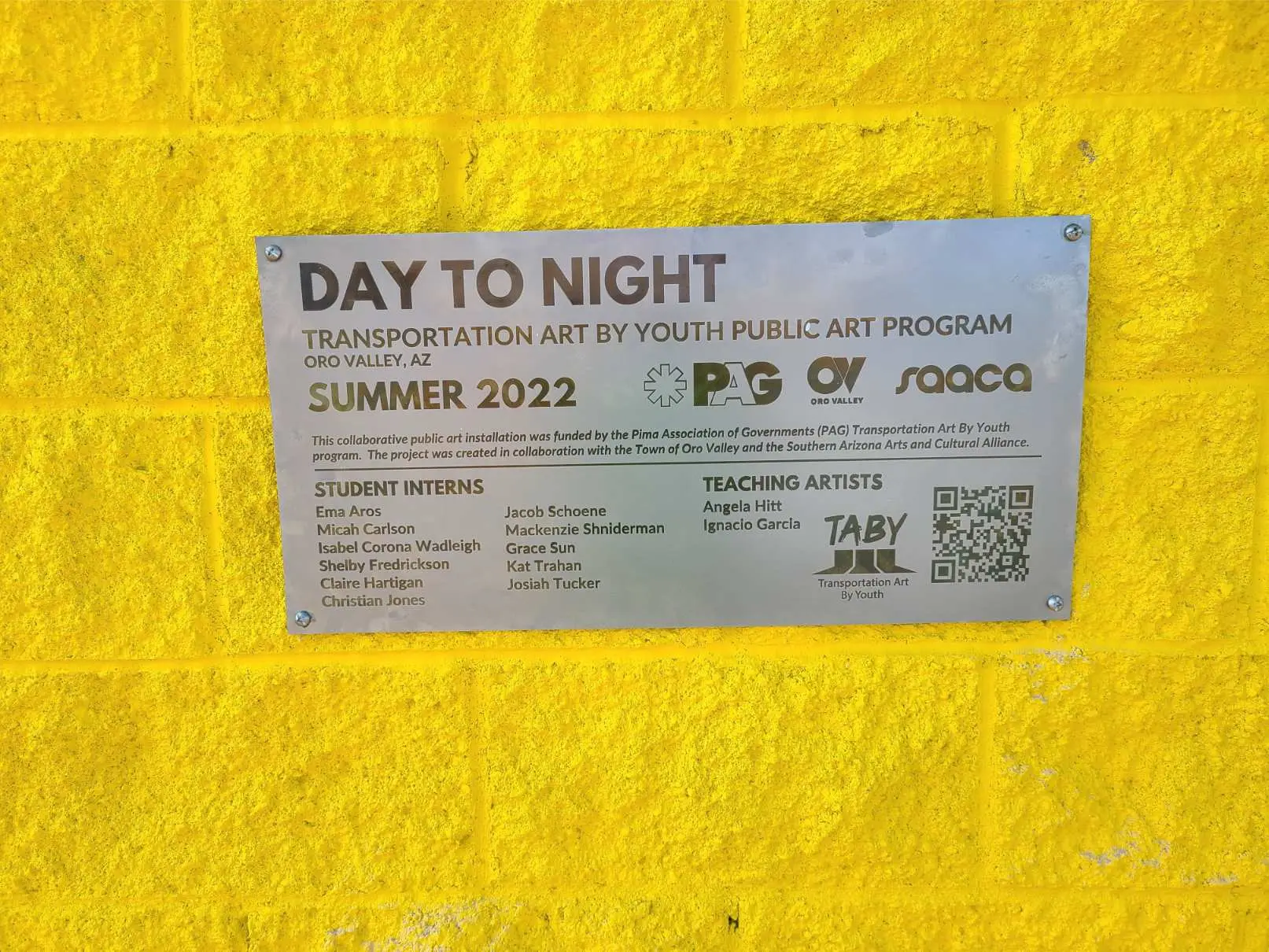
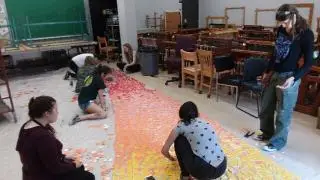
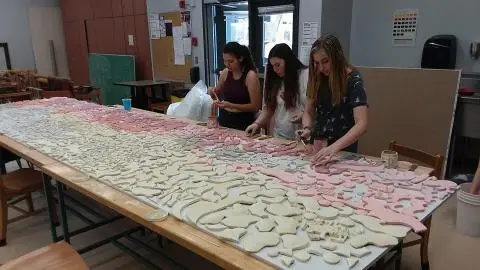
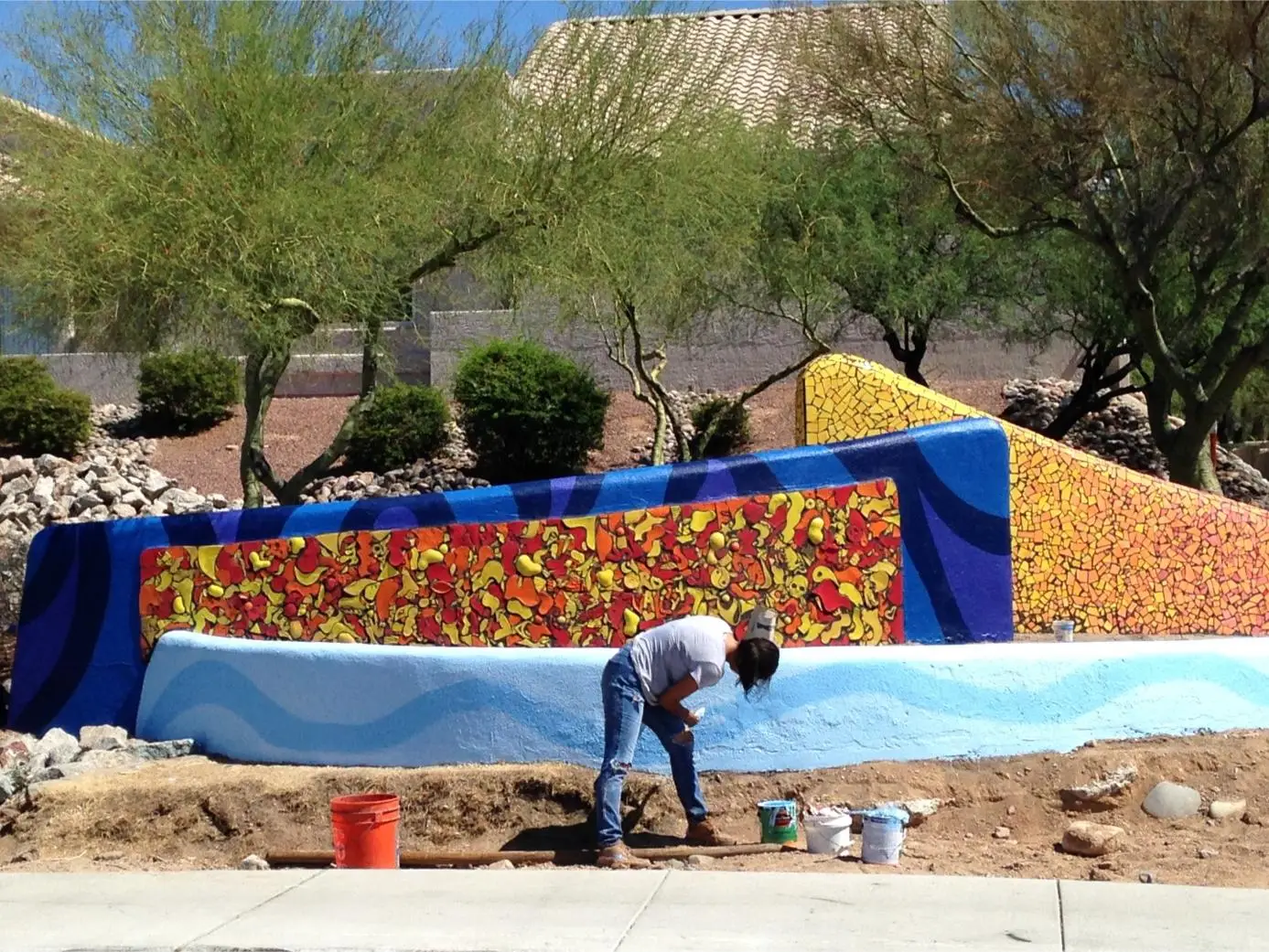
In summer 2022, 11 Oro Valley teens worked under the mentorship of professional artists Angela Hitt (mosaic artist and teaching lead) and Ignacio Garcia (muralist) to create one of the town’s largest integrated public art installations through the Pima Association of Governments’ Transportation Art by Youth (TABY) program.
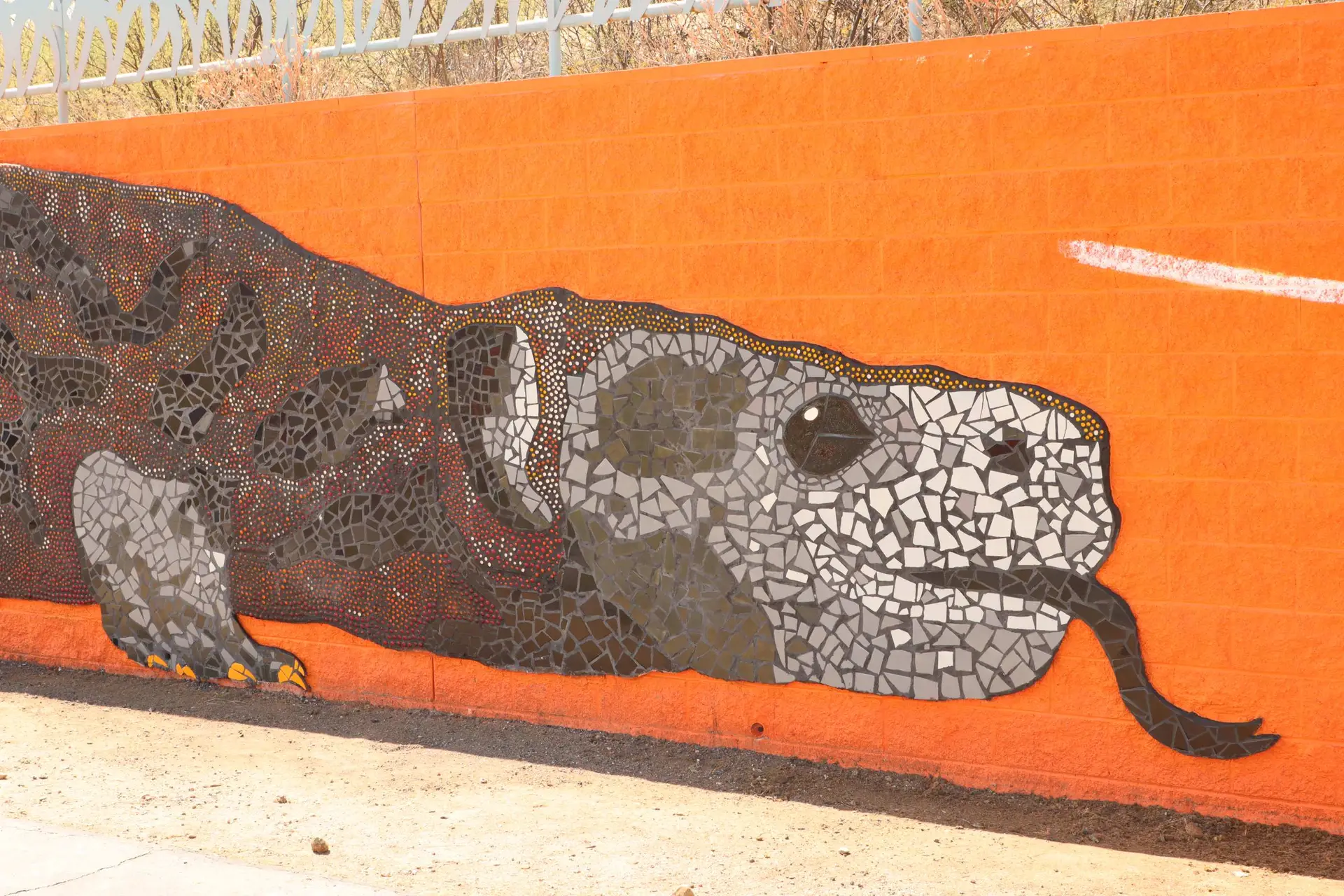
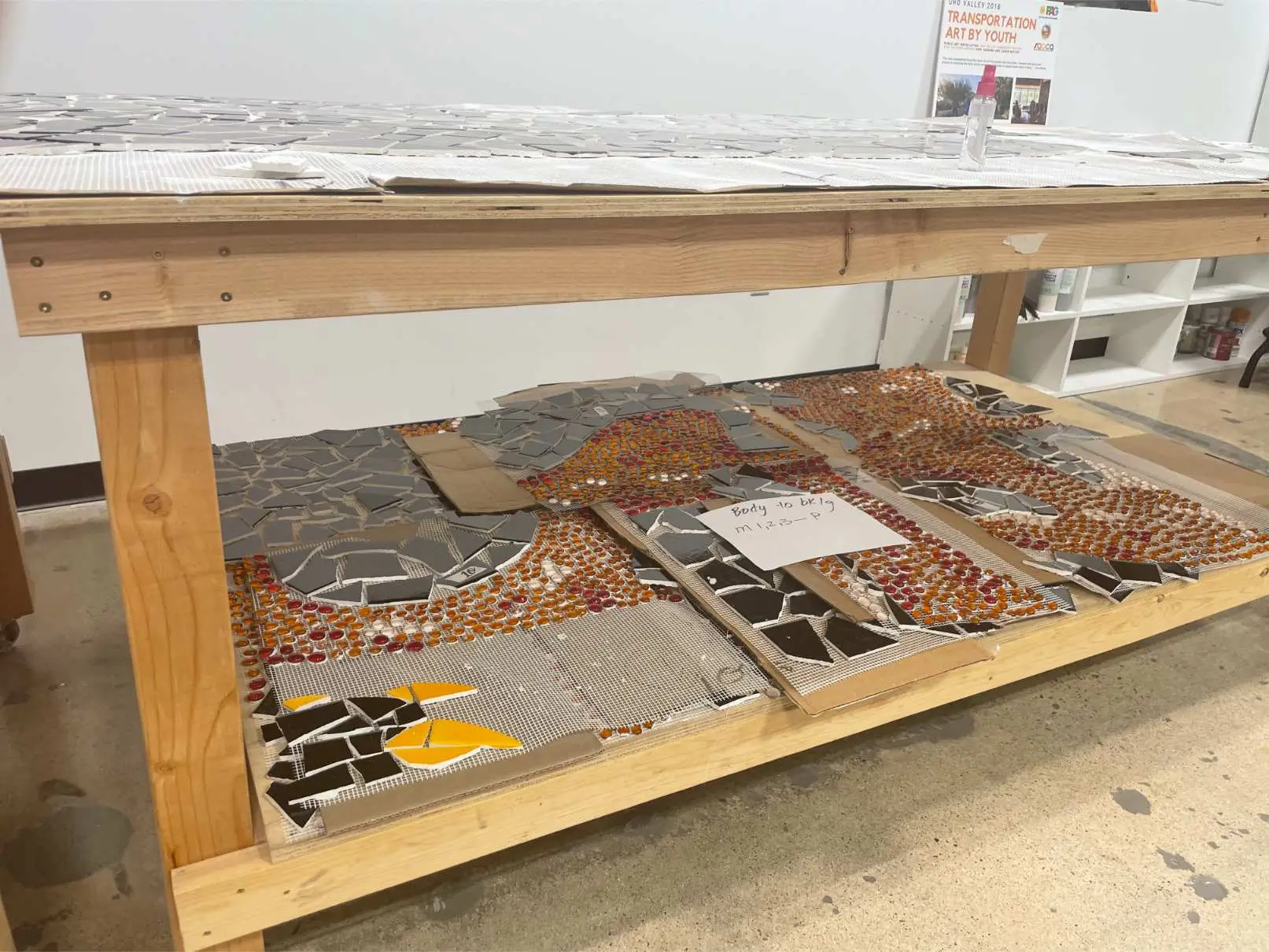
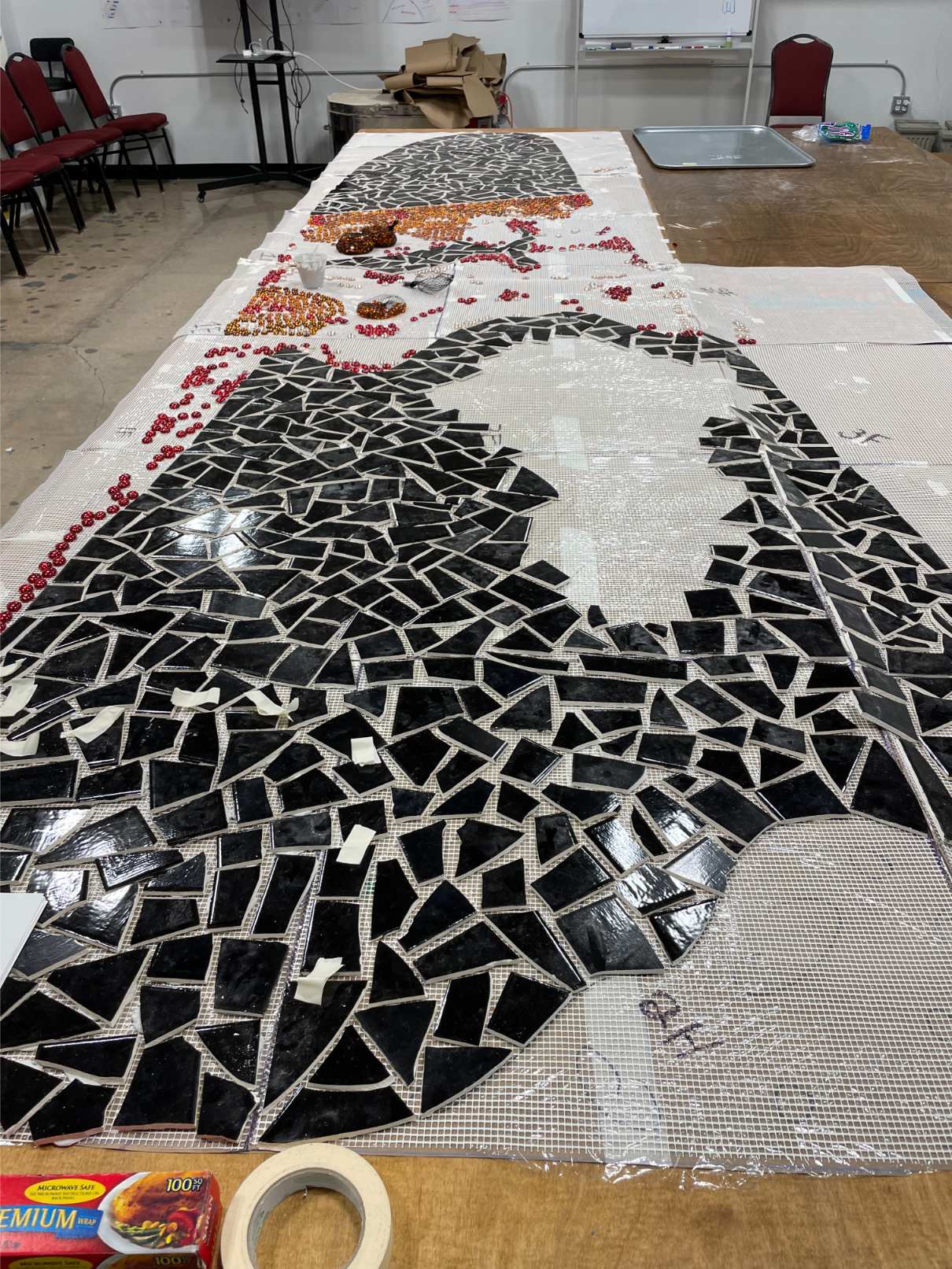
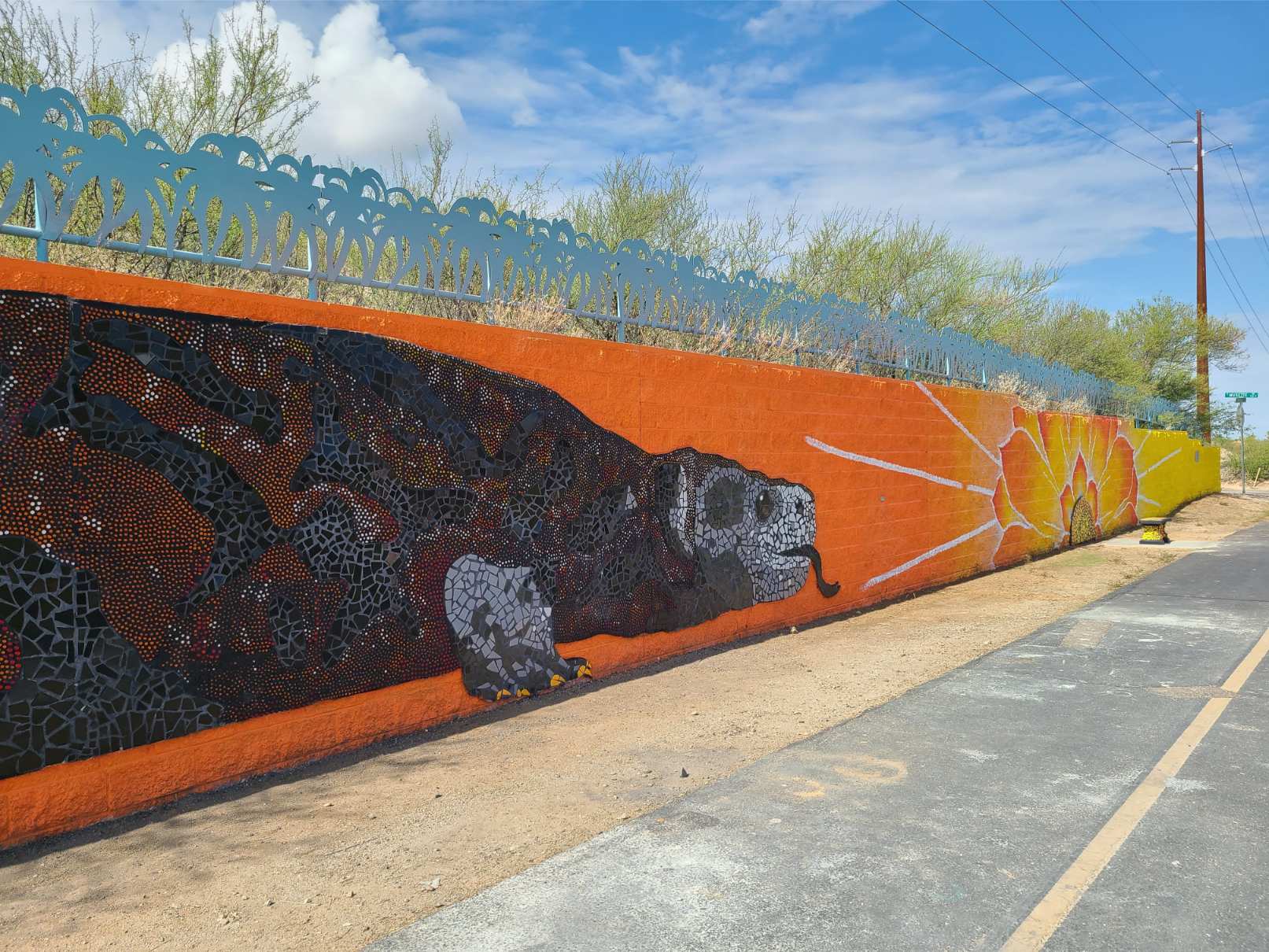
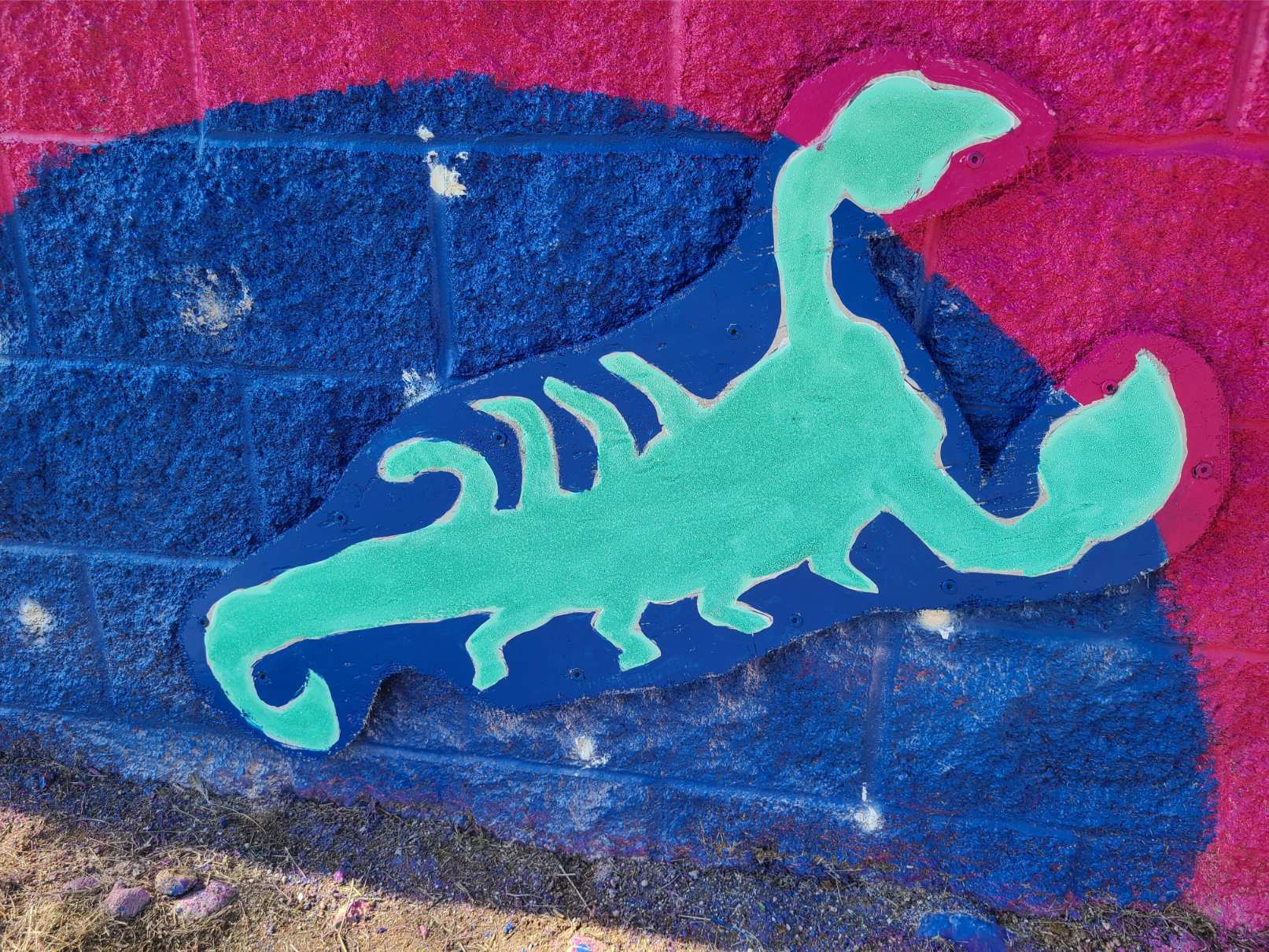
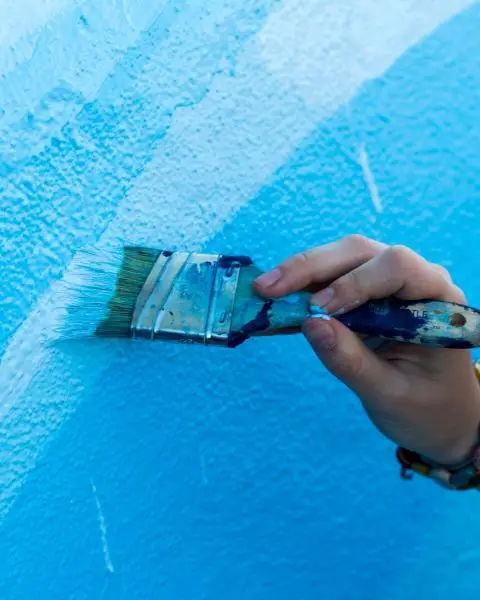
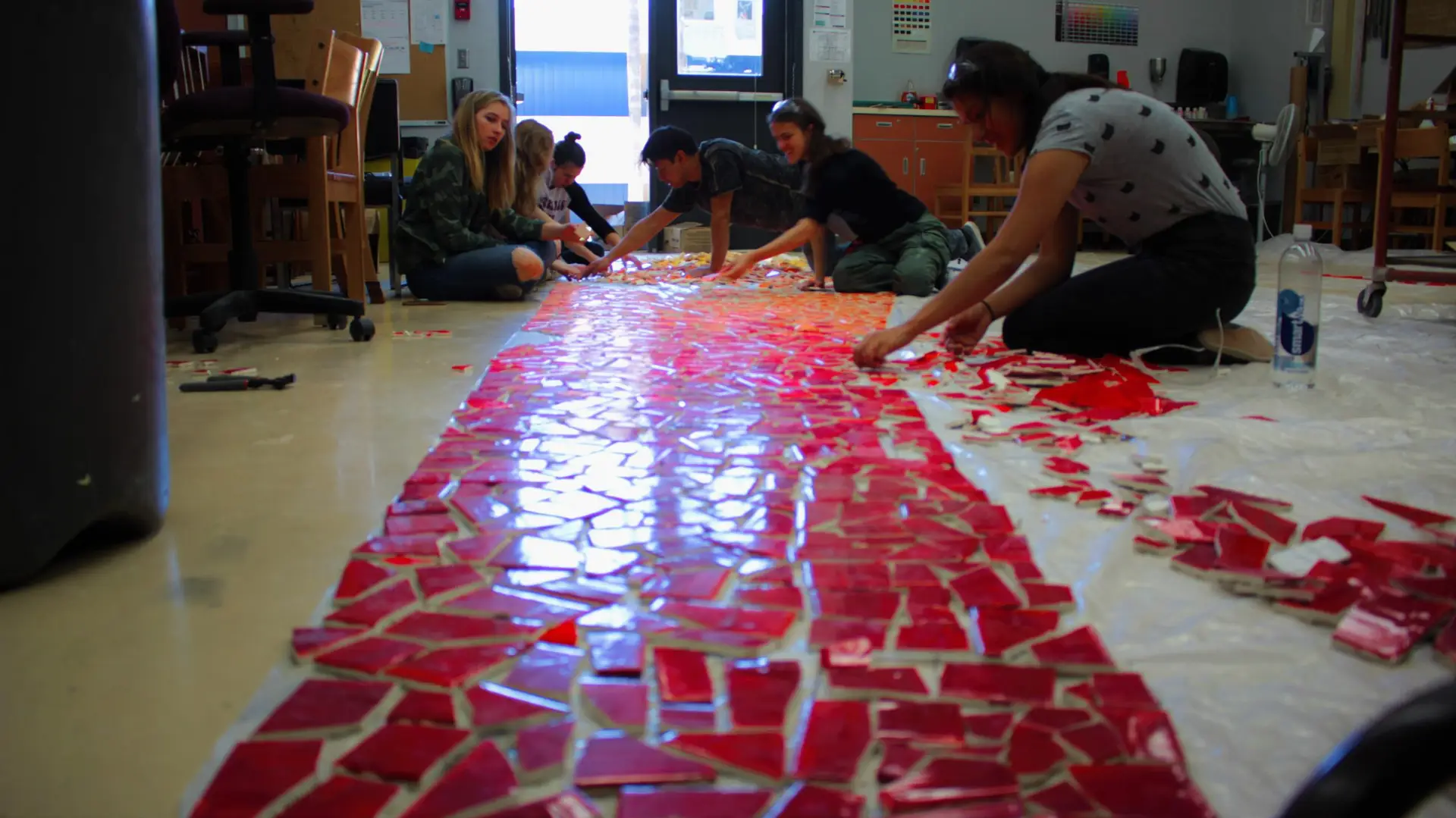
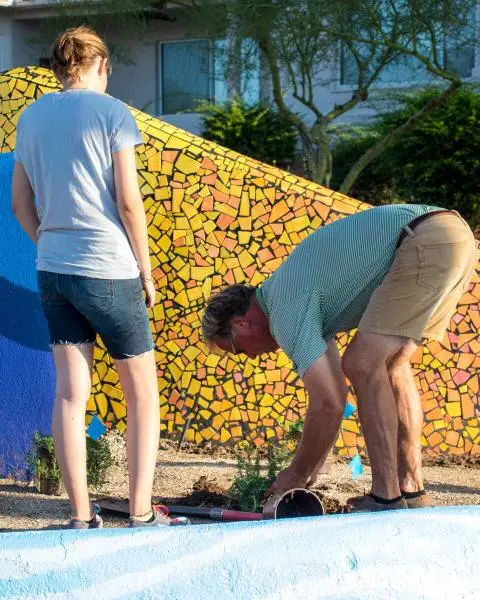
Over eight weeks, students Kat Trahan, Isabel Corona Wadleigh, Grace Sun, Shelby Fredrickson, Josiah Tucker, Mackenzie Shniderman, Claire Hartigan, Ema Aros, Micah Carlson, Jacob Schoene, and Christian Jones designed and installed Day to Night—a 400-foot mural and mosaic installation along Tangerine Road, near Naranja Park. Inspired by community feedback, the artwork celebrates Southern Arizona’s natural environment with vibrant imagery of animals, desert landscapes, and colorful skies.
The installation features:
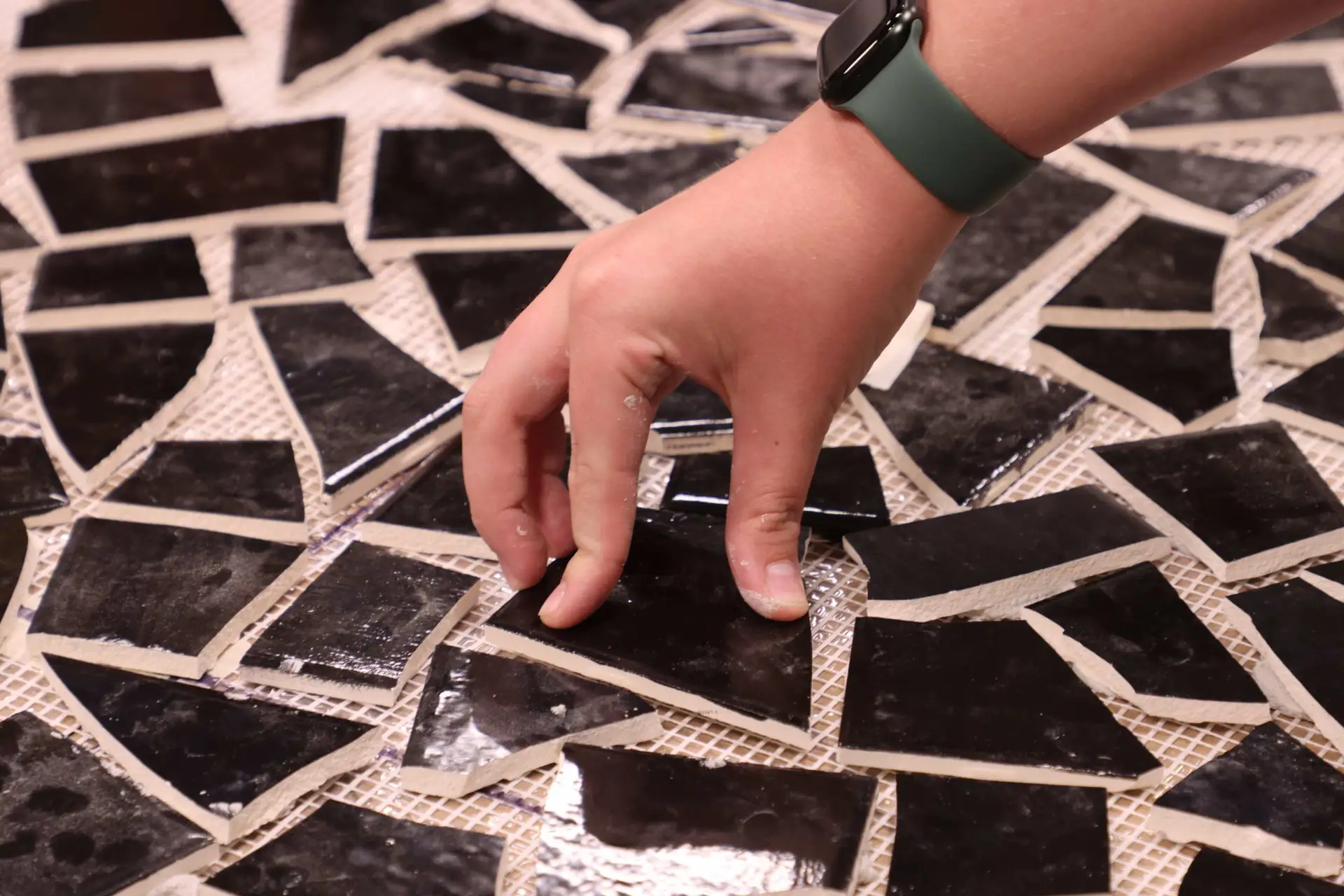
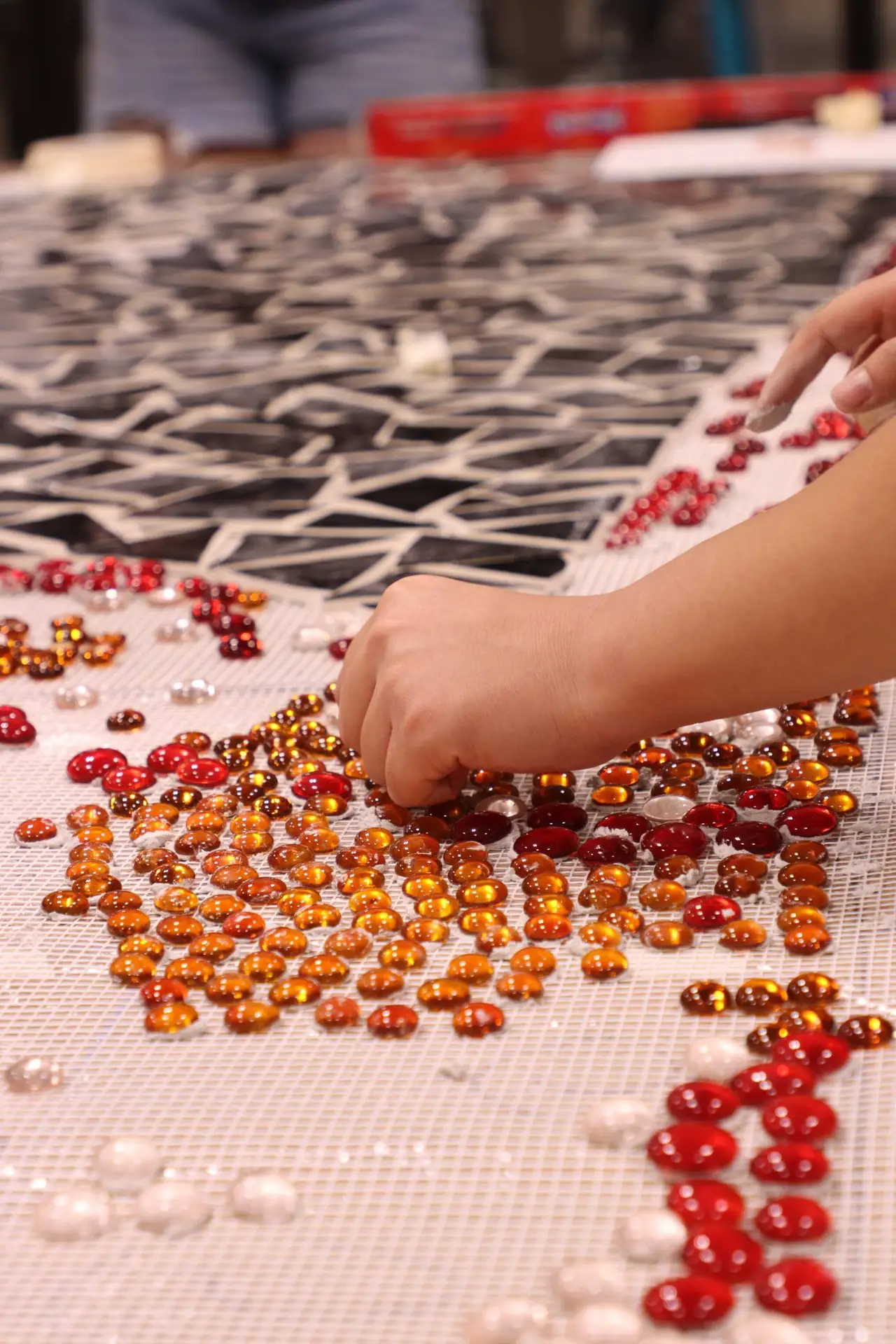
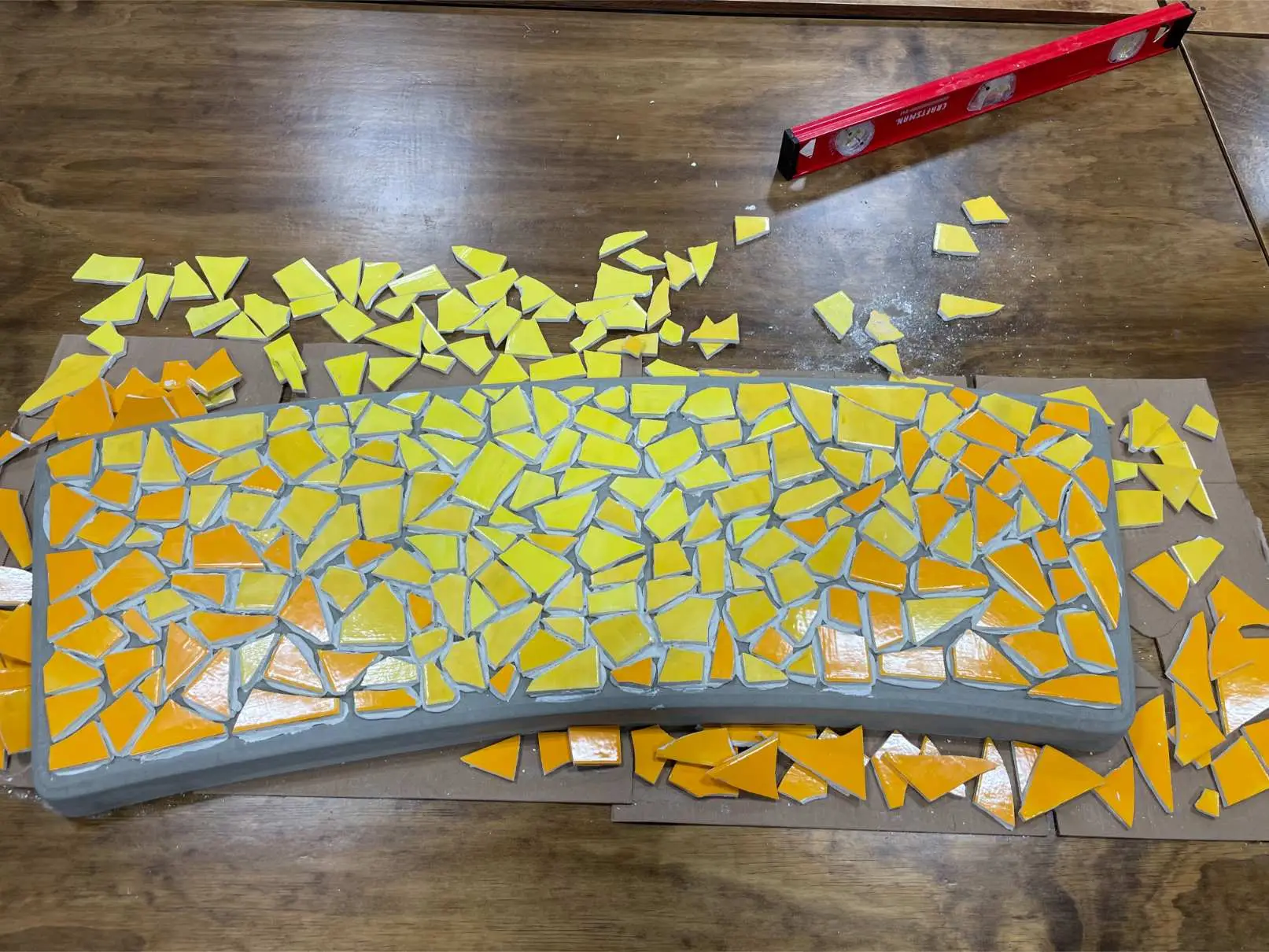
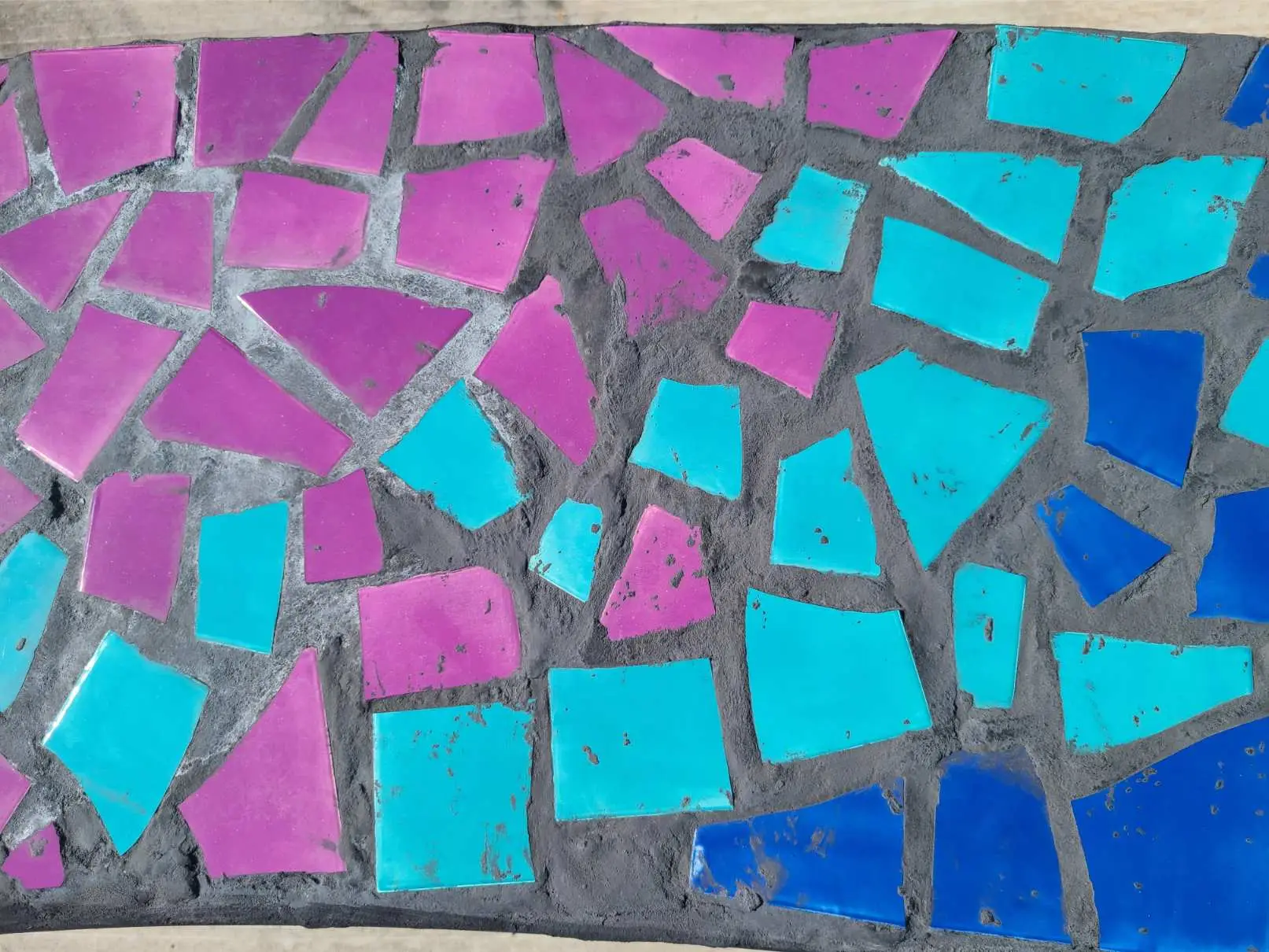
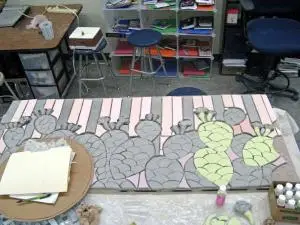
  • A 53-foot hand-fired glass and tile mosaic Gila Monster, offering a signature landmark.
  • Interactive educational elements, including scannable QR codes with digital content.
  • Integrated pedestrian seating, blending art with functional public space.
2018 Transportation Art by Youth Program

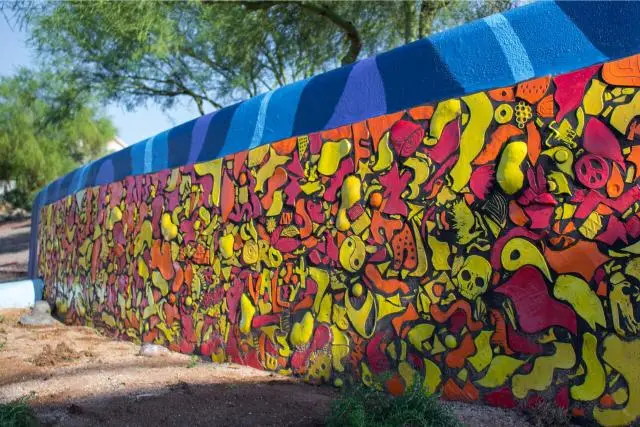
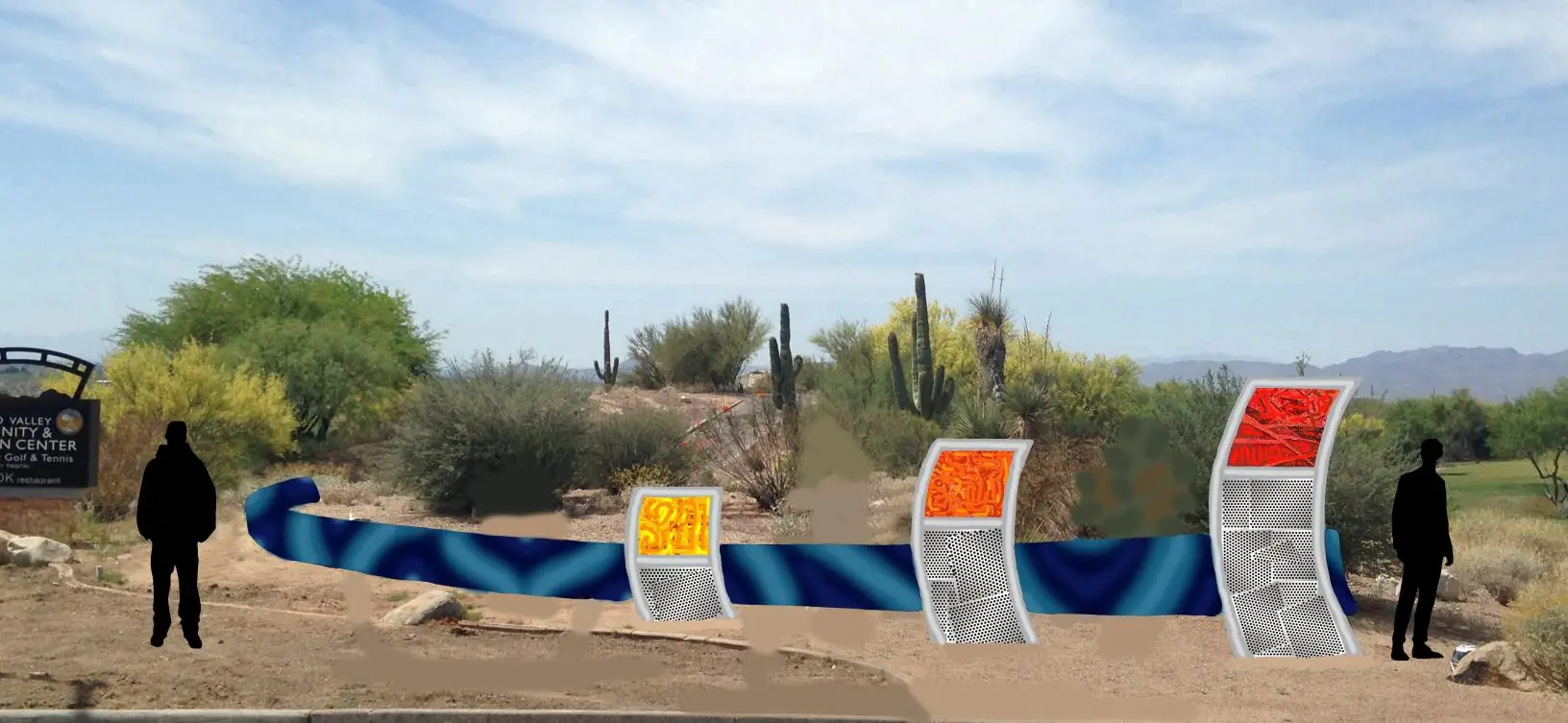
In summer 2018, the Transportation Art by Youth (TABY) program, led by the Pima Association of Governments in partnership with the Town of Oro Valley and the Southern Arizona Arts & Cultural Alliance, transformed the entrance to the Oro Valley Community Center into a vibrant gateway of storytelling through abstract art.
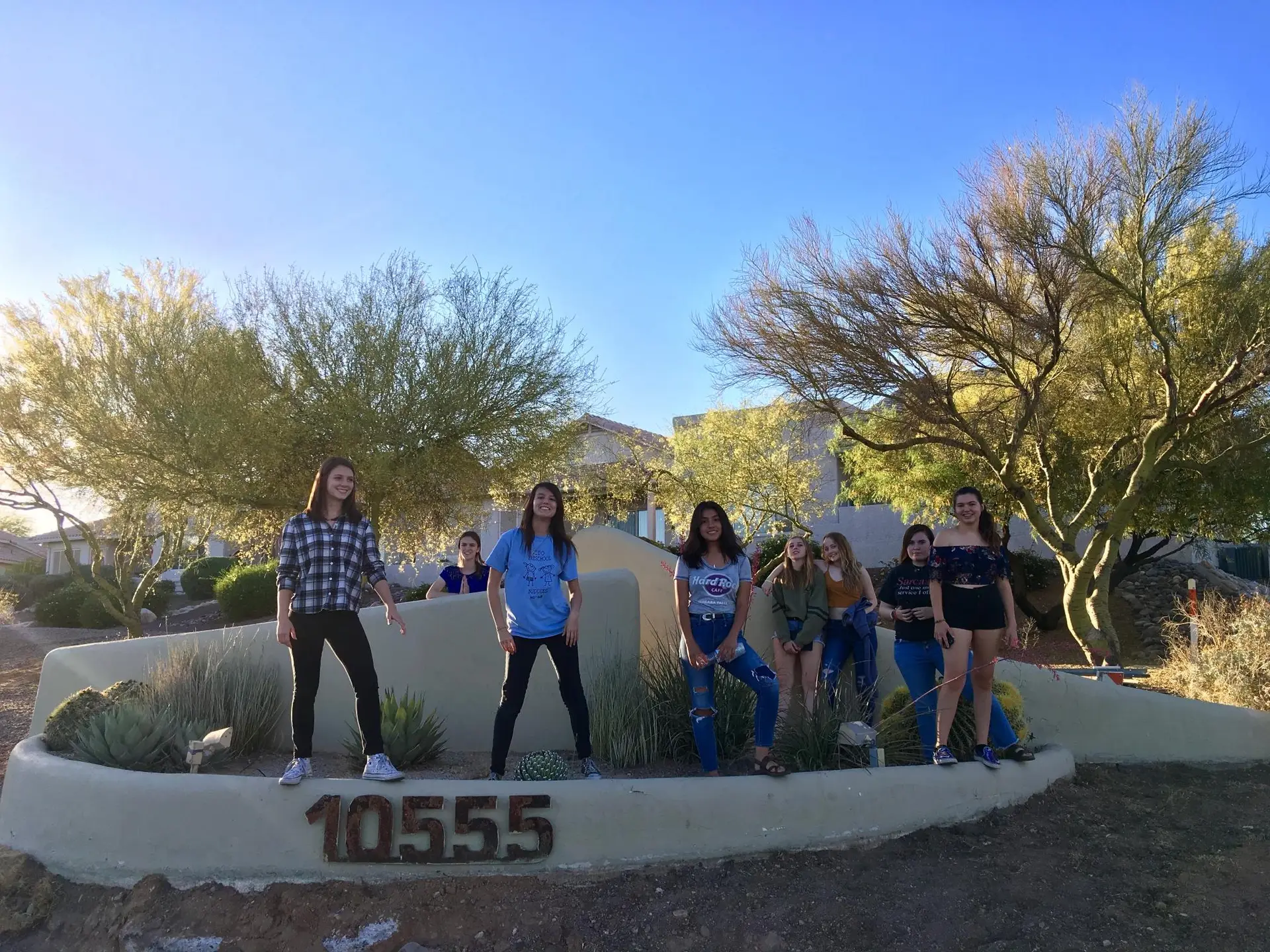
Under the mentorship of professional teaching artists Hiro Tashima (sculptor and ceramicist) and Jason Butler (painter and mixed-media artist), ten high school students—Alexis Gomez, Carley Noll, Emily Hines, Jade Woodings, Kaylynn Wade, Lauren Deal, Marbella Coleman, Sabina Rangel, Sydney Butler, and Zoe Marks—collaborated over eight weeks to design and install a mixed-media public artwork that embodied themes of community discovery, diversity, connectedness, wellness, and active living.
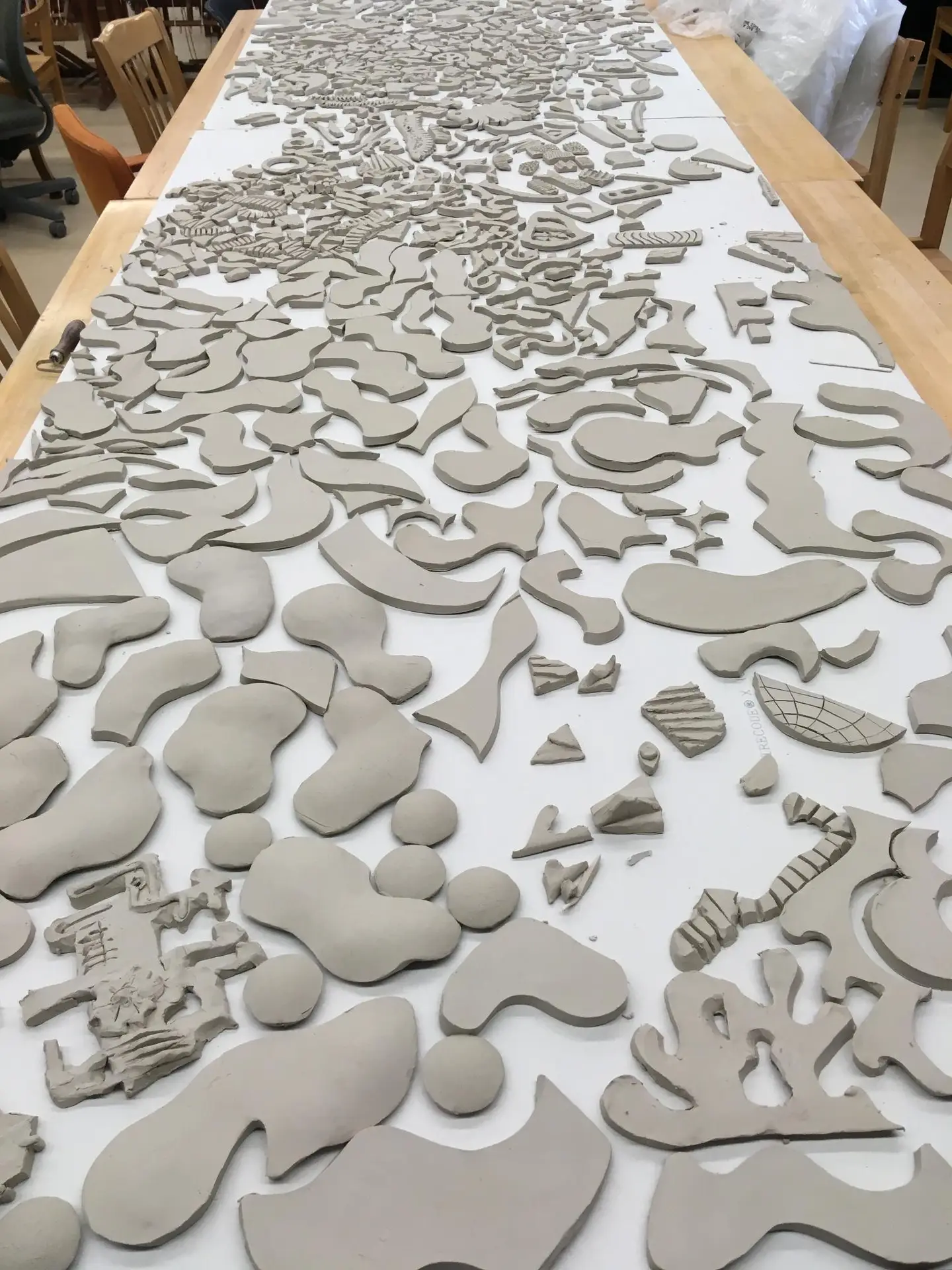
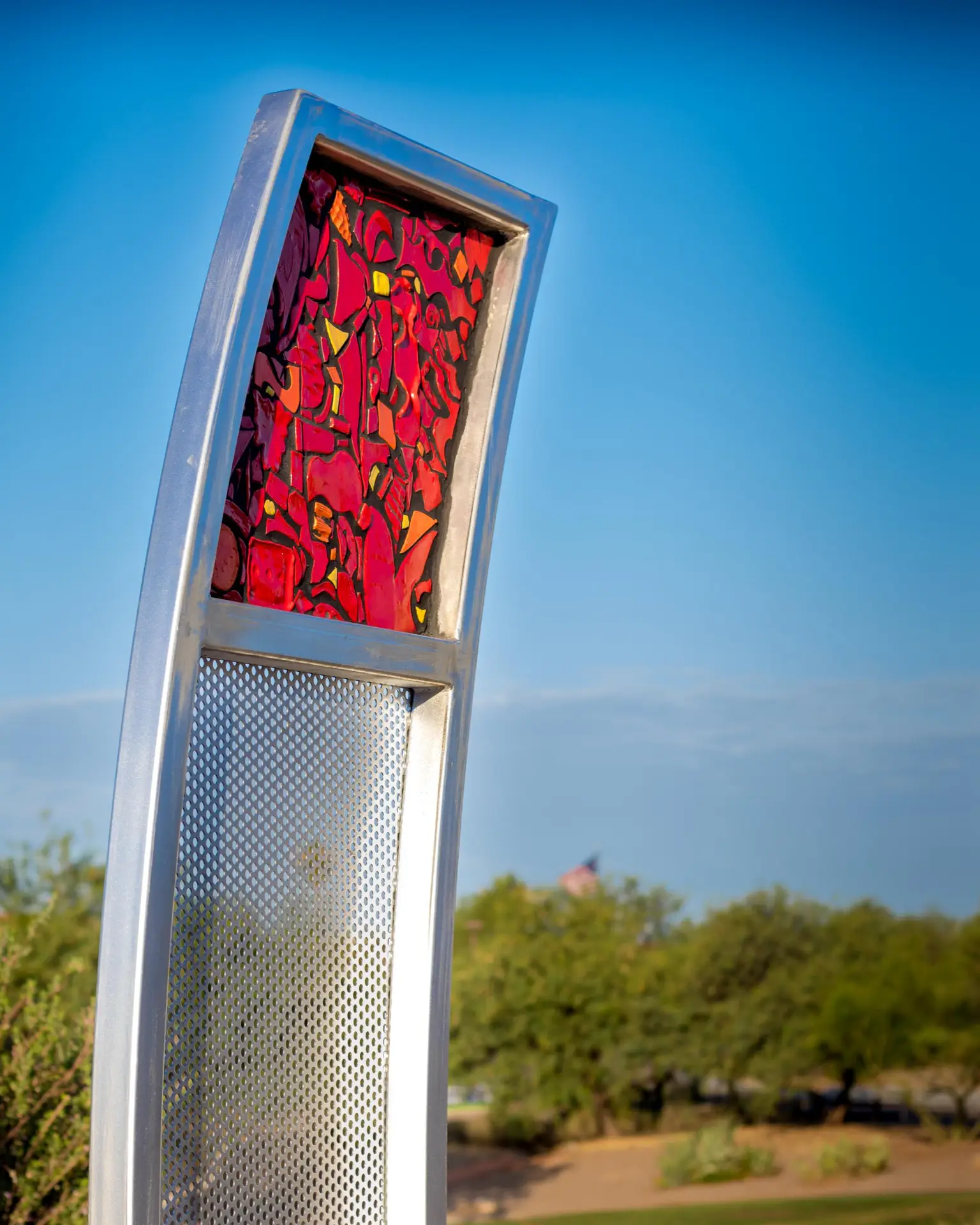
The resulting installation integrates hand-molded clay, mosaic, welded steel, and painted elements, weaving together color and texture to create an inviting and inspiring entrance experience. Abstract forms and layered imagery serve as a visual narrative of Oro Valley’s story—reflecting its people, landscapes, and commitment to health and recreation. The project was conceived as more than decoration; it was designed as a gateway of storytelling, welcoming all who enter the Community Center to see themselves as part of Oro Valley’s shared cultural identity.
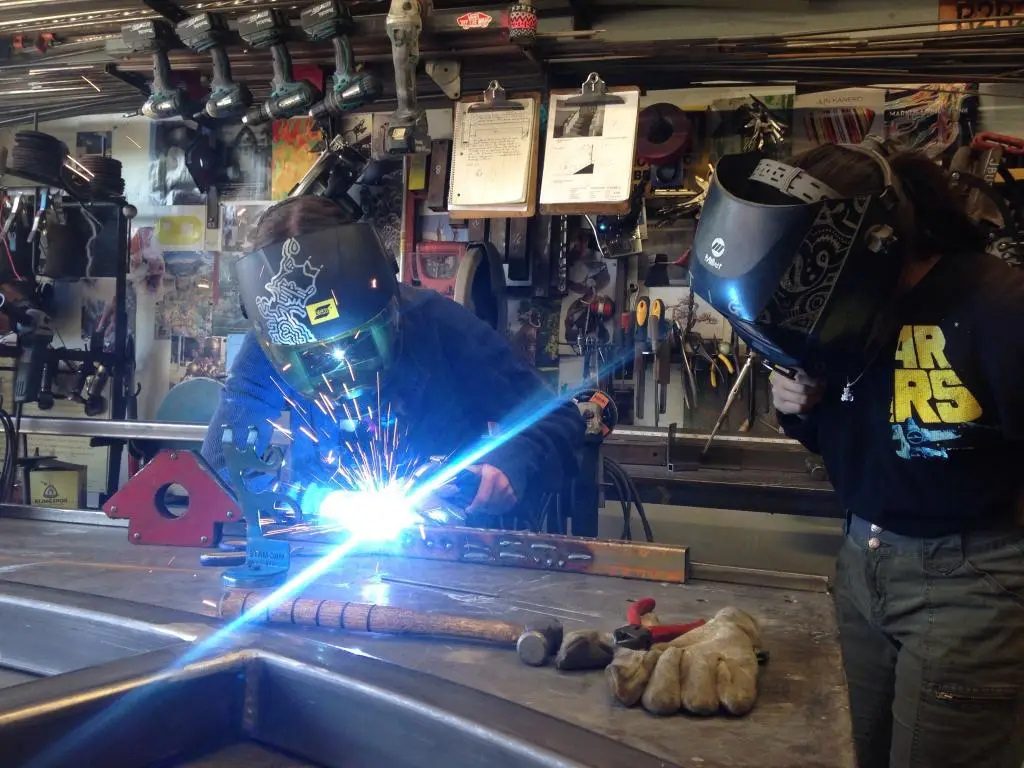
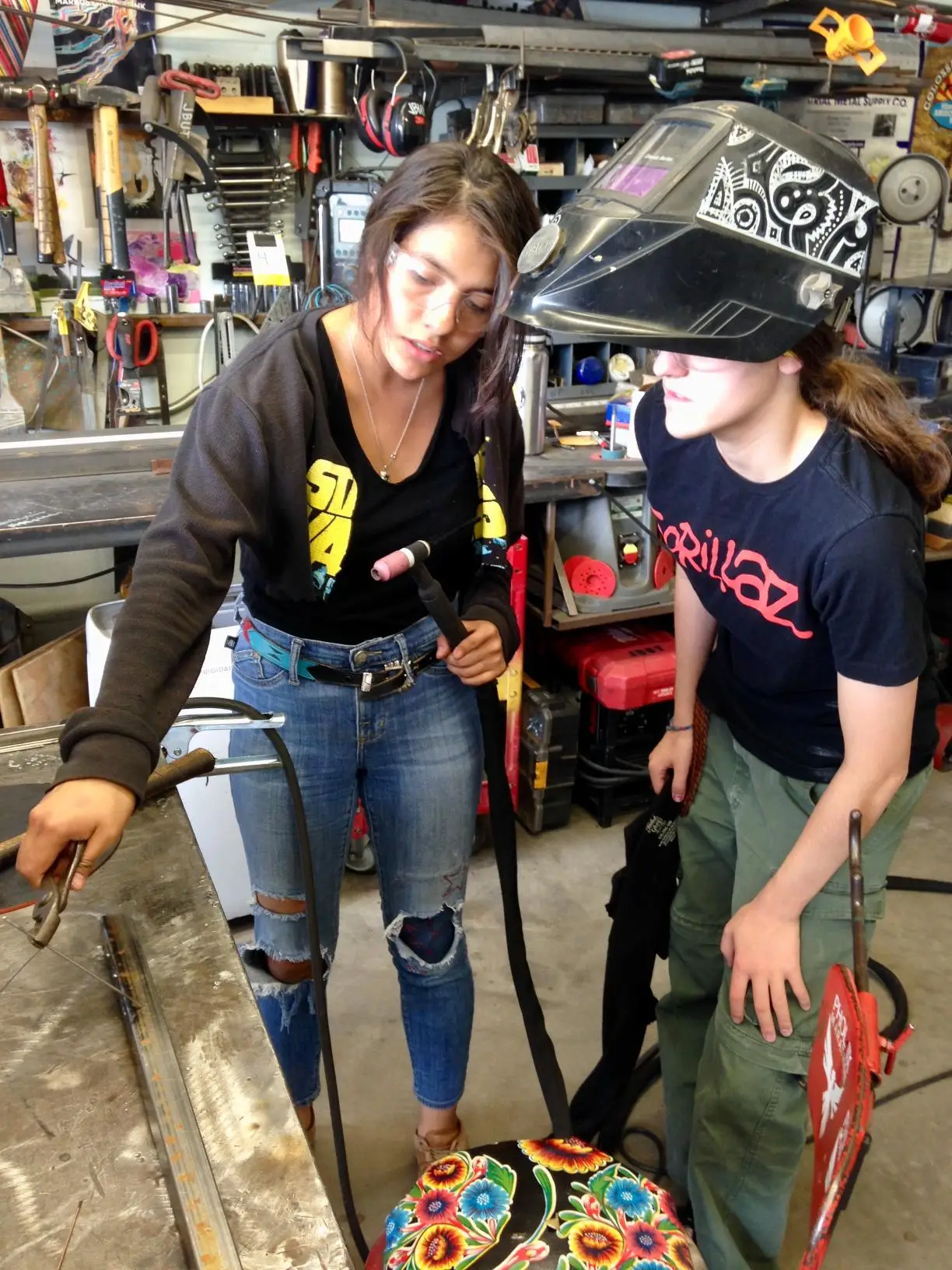
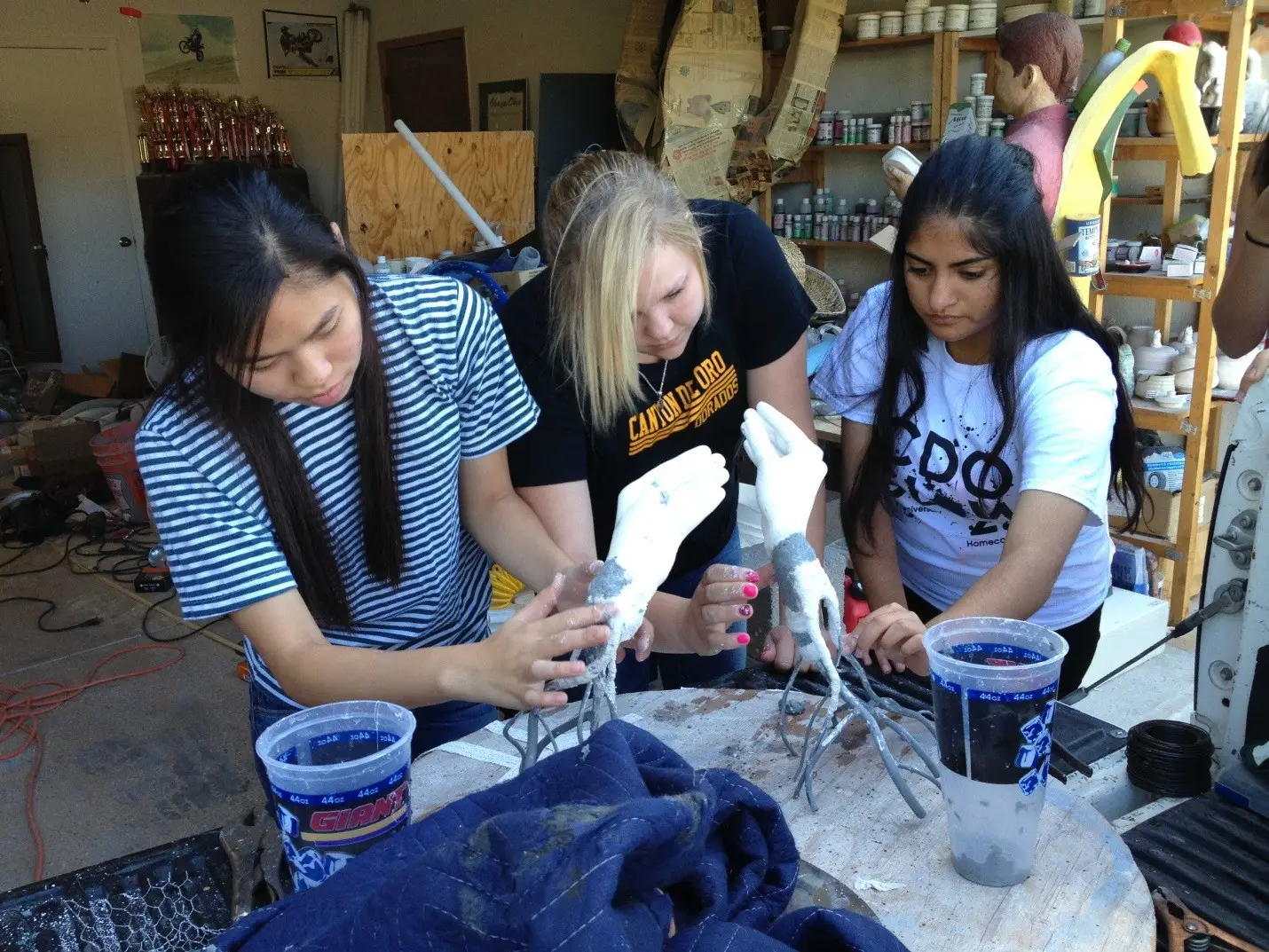
Beyond the art itself, the program served as a powerful workforce development experience for the student artists. Participants learned professional skills in project management, collaboration, and community engagement, while also gaining technical training in sculpting, mosaic design, metalworking, and large-scale installation. They worked through the full creative process—from brainstorming and community surveys to fabrication and installation—preparing them not only as emerging artists but as future leaders capable of contributing to civic projects.
The 2018 TABY project stands as both a permanent public landmark and a testament to the potential of youth artists to shape their community, blending creativity, skill-building, and civic pride into a legacy that endures at the Oro Valley Community Center.

2015 Transportation Art by Youth Program

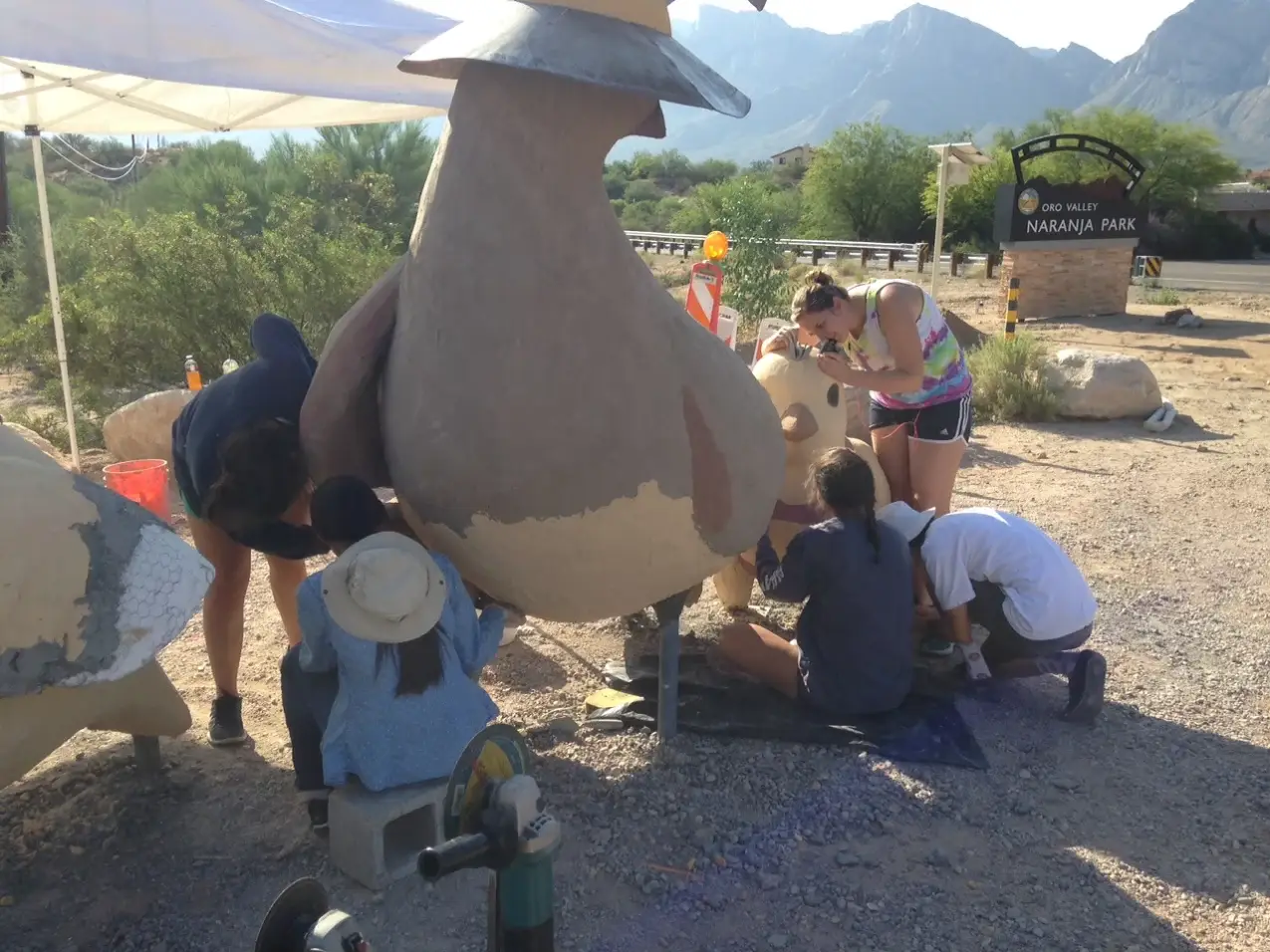
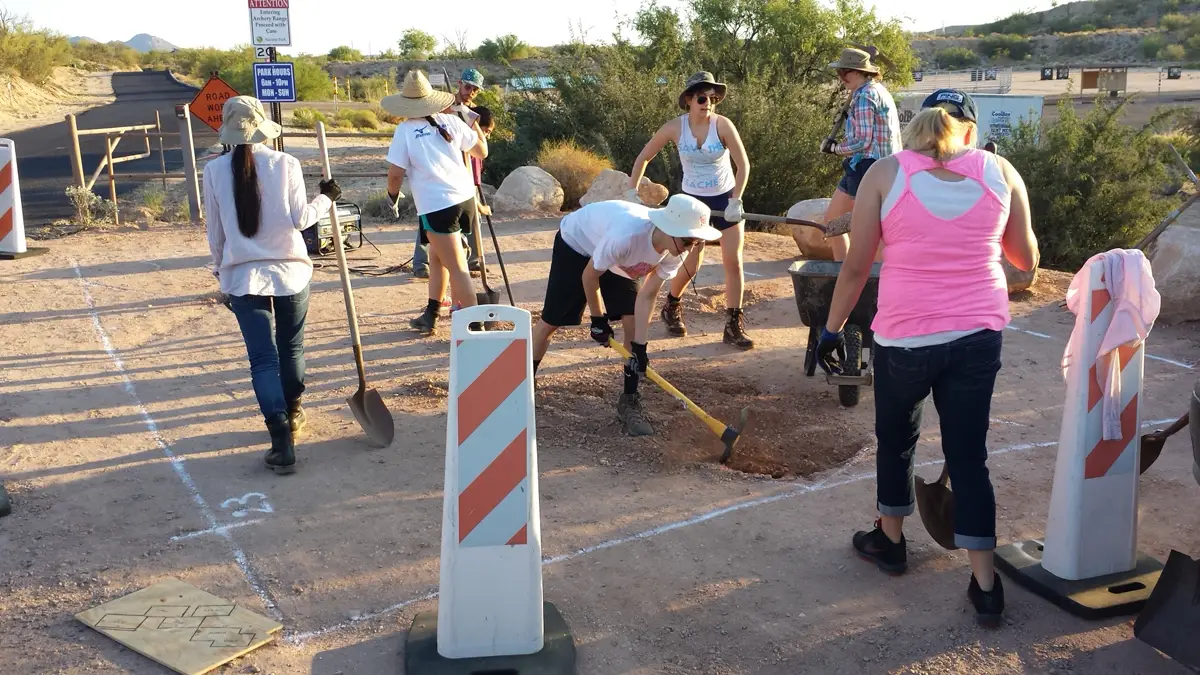
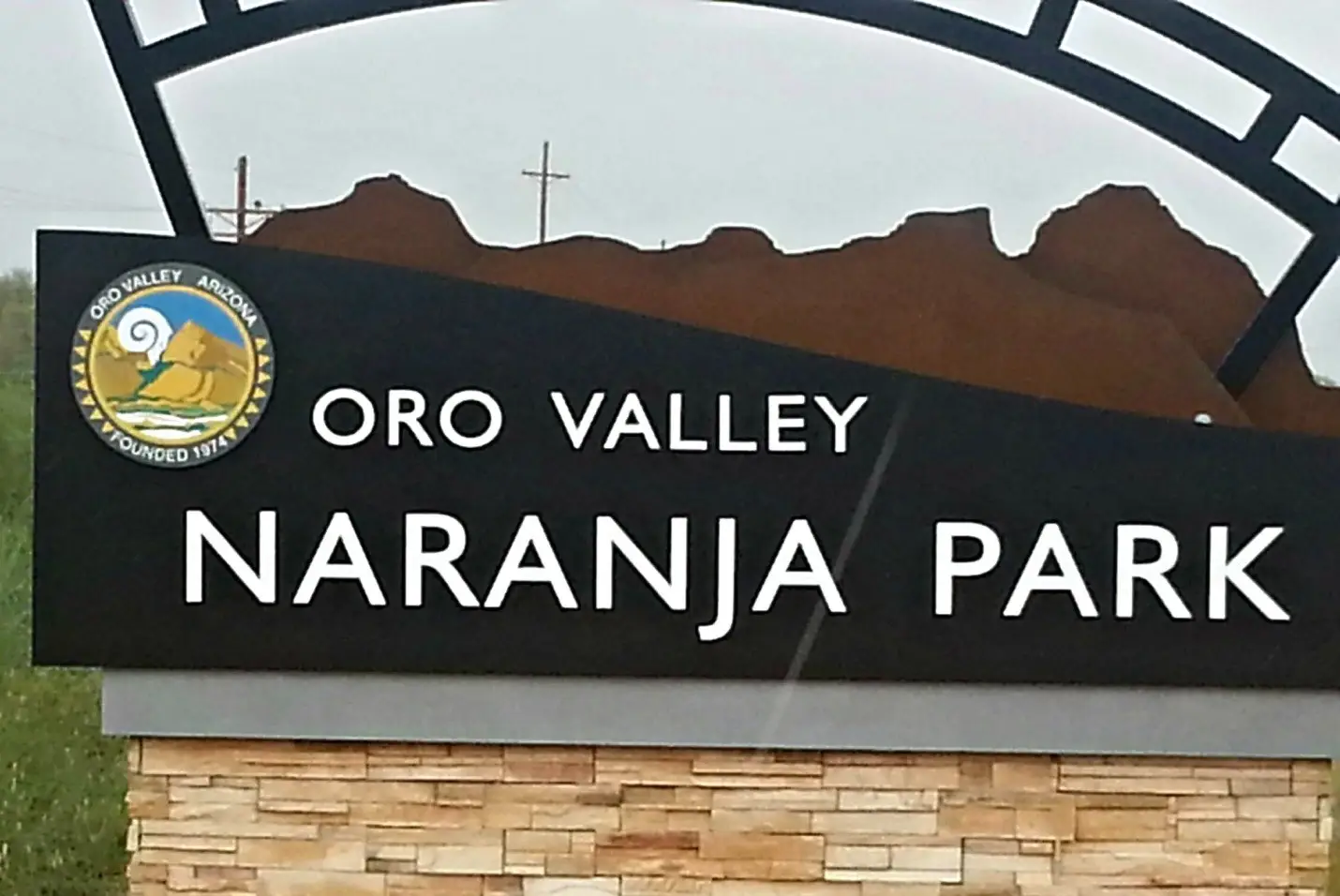
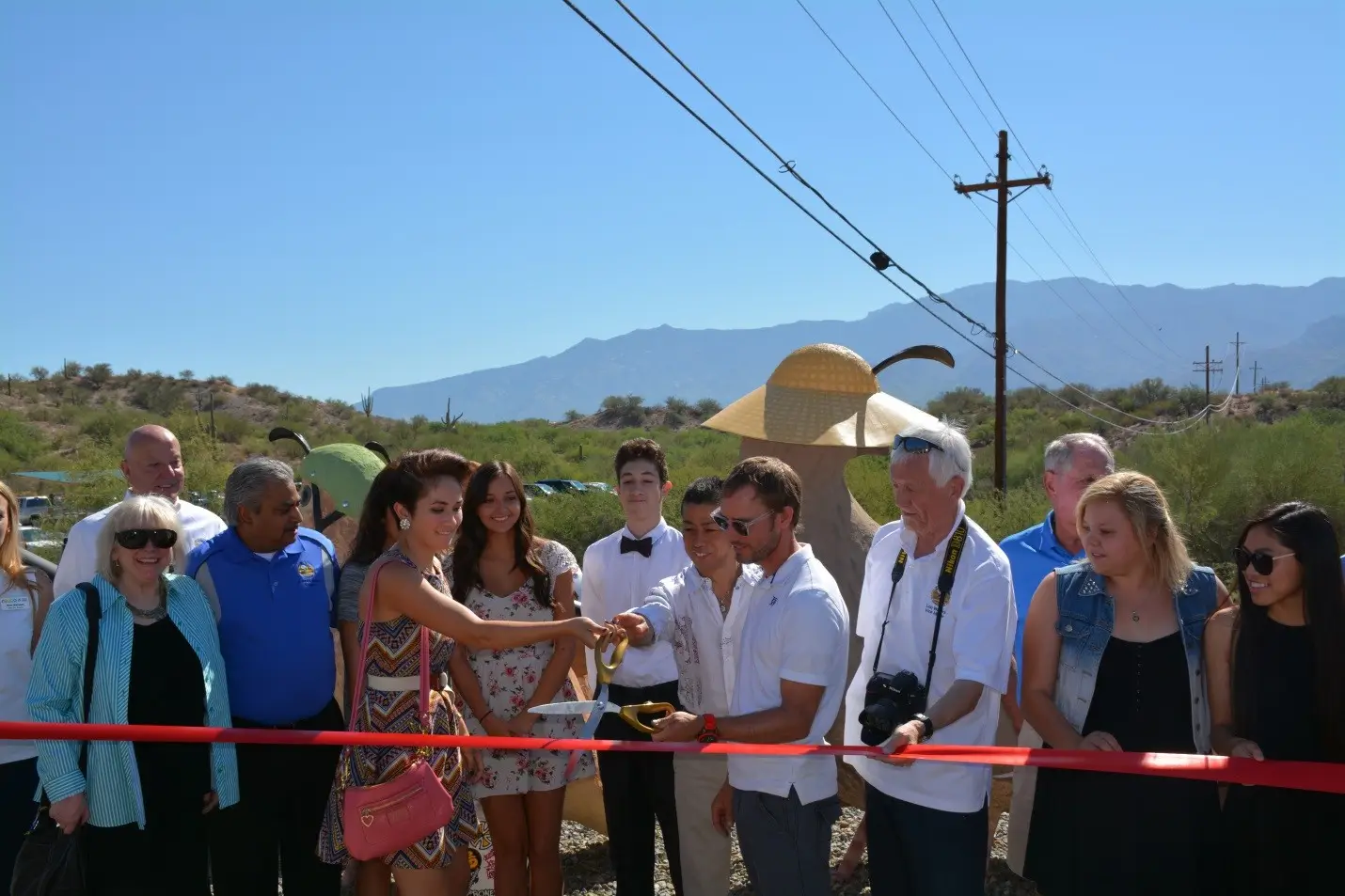
In summer 2015, the Transportation Art by Youth (TABY) program, presented by the Pima Association of Governments in partnership with the Town of Oro Valley and the Southern Arizona Arts & Cultural Alliance, brought new life to the entrance of Naranja Park with one of the most recognizable and photographed public artworks in Oro Valley’s growing collection.
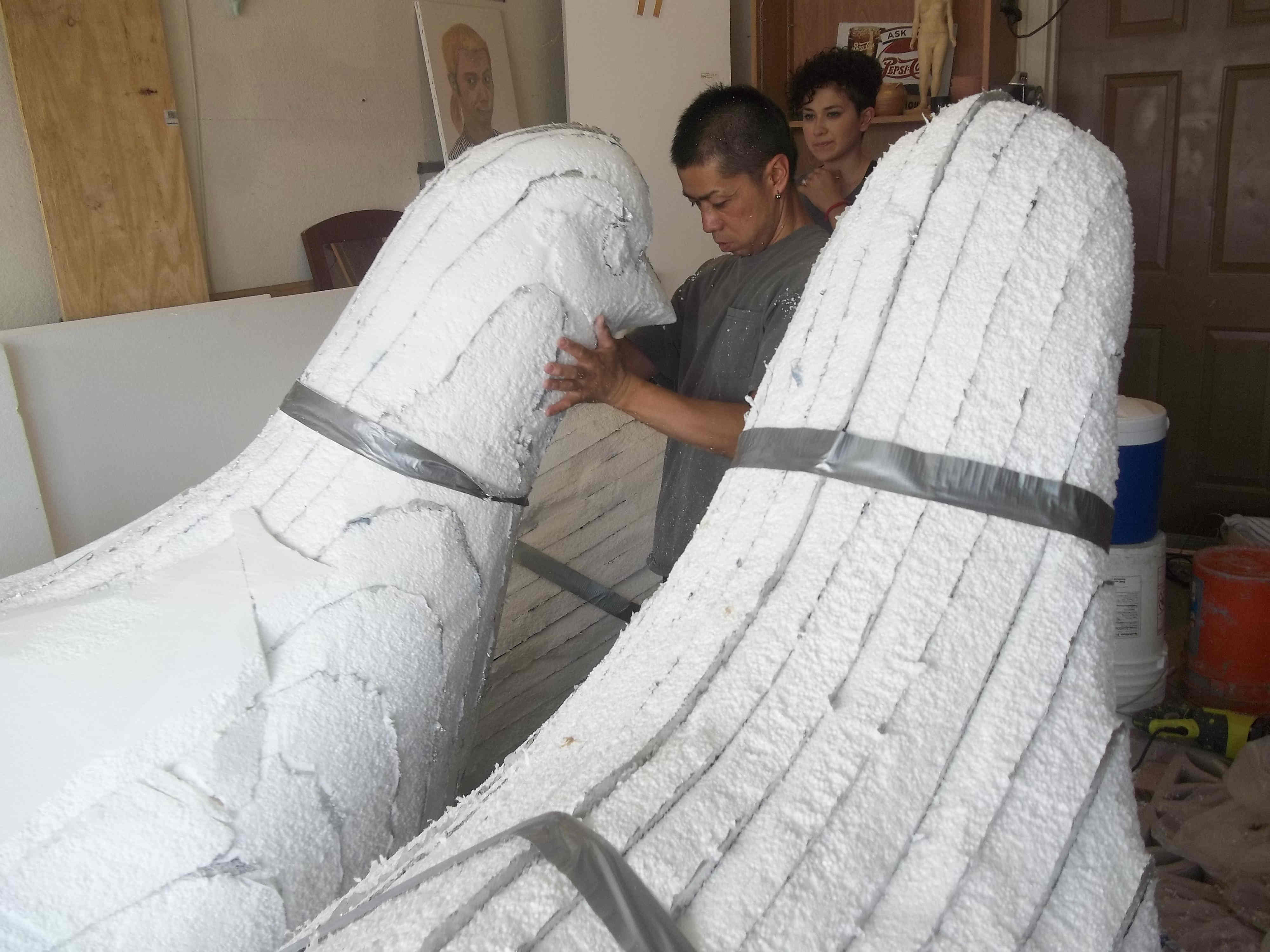
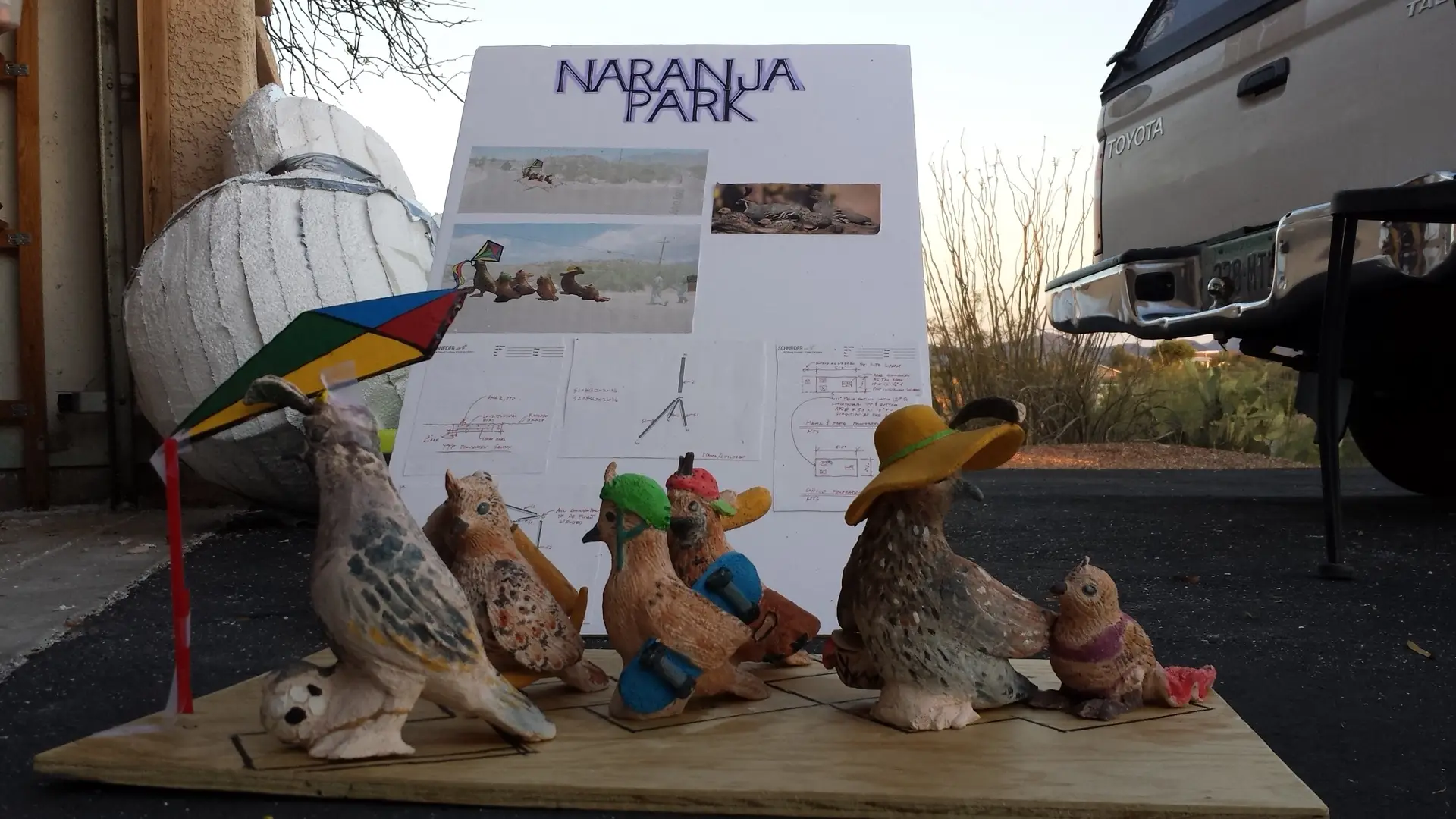
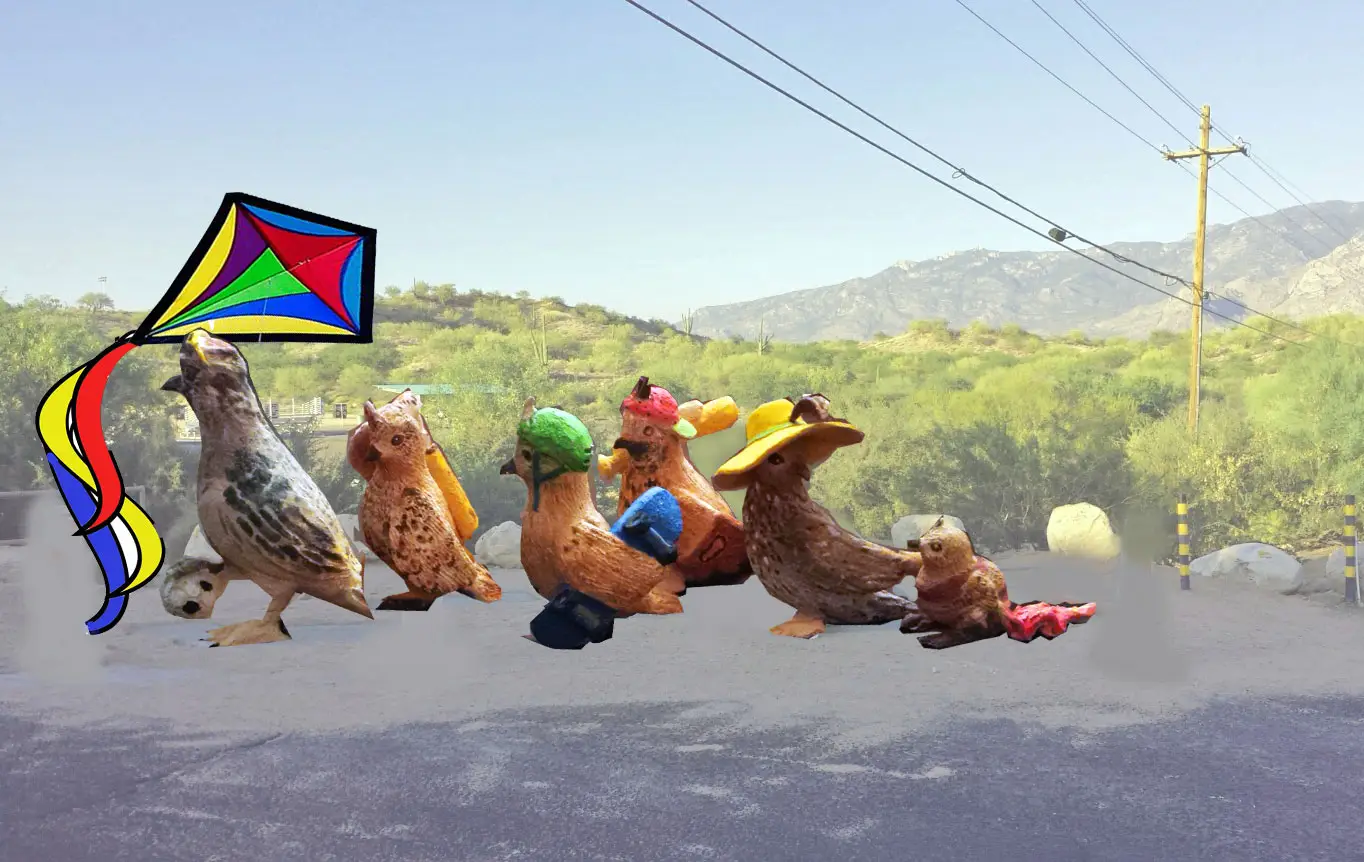
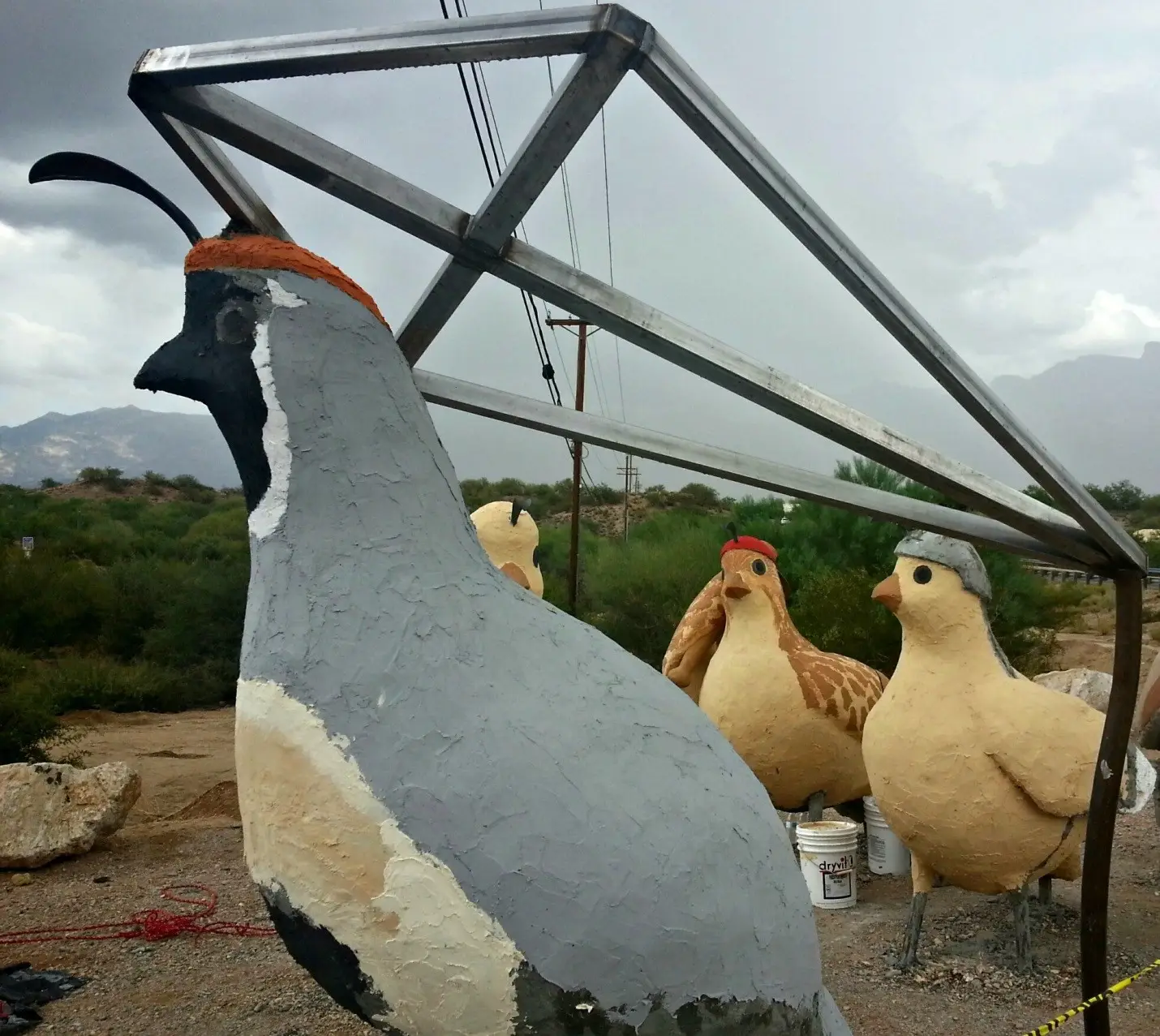
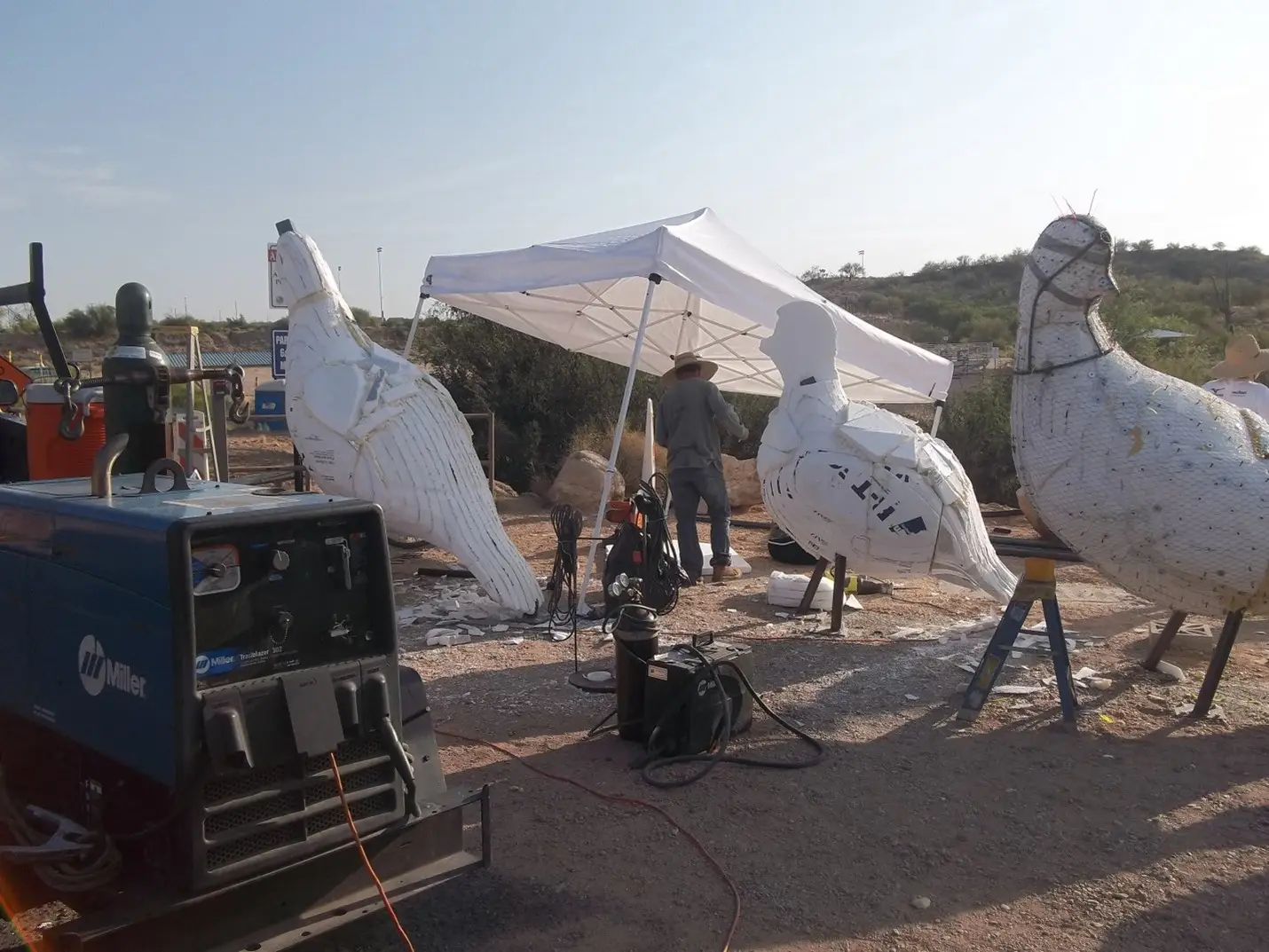
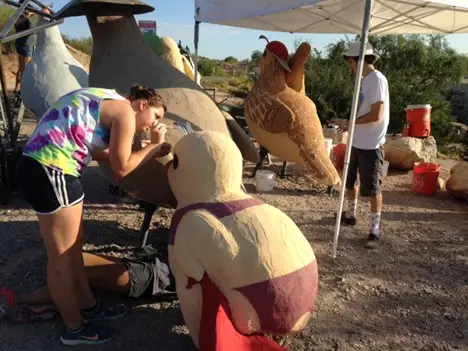
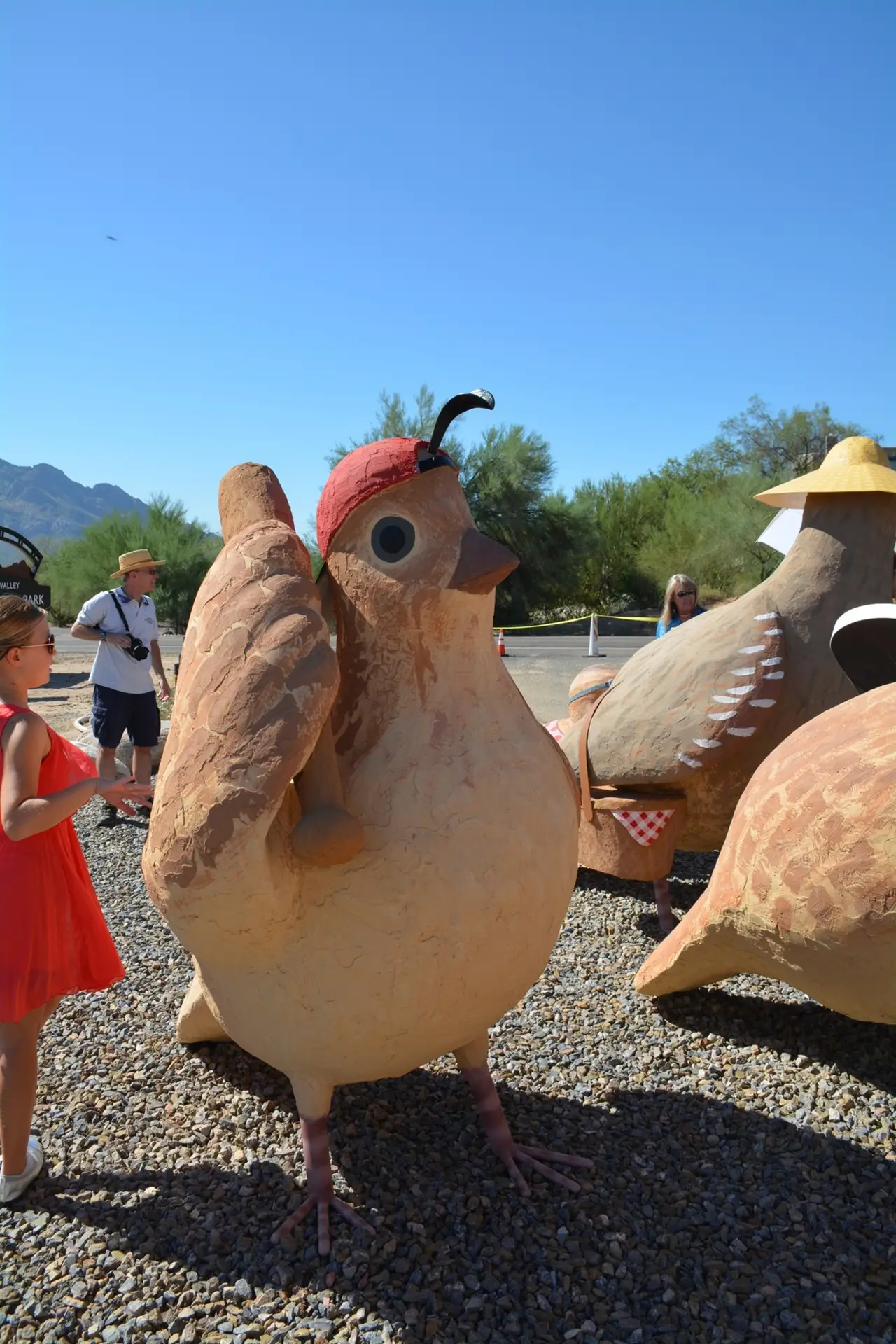
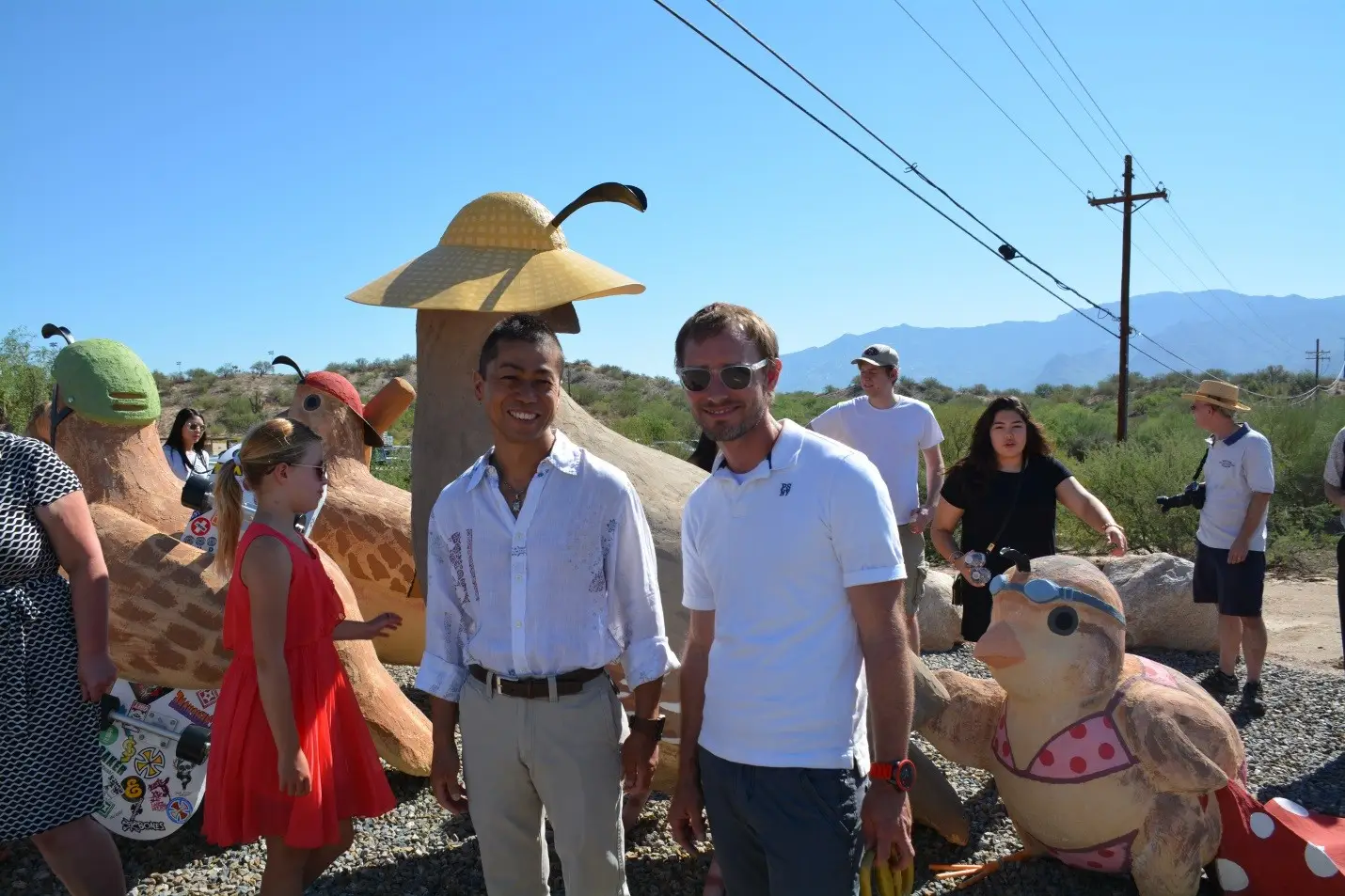
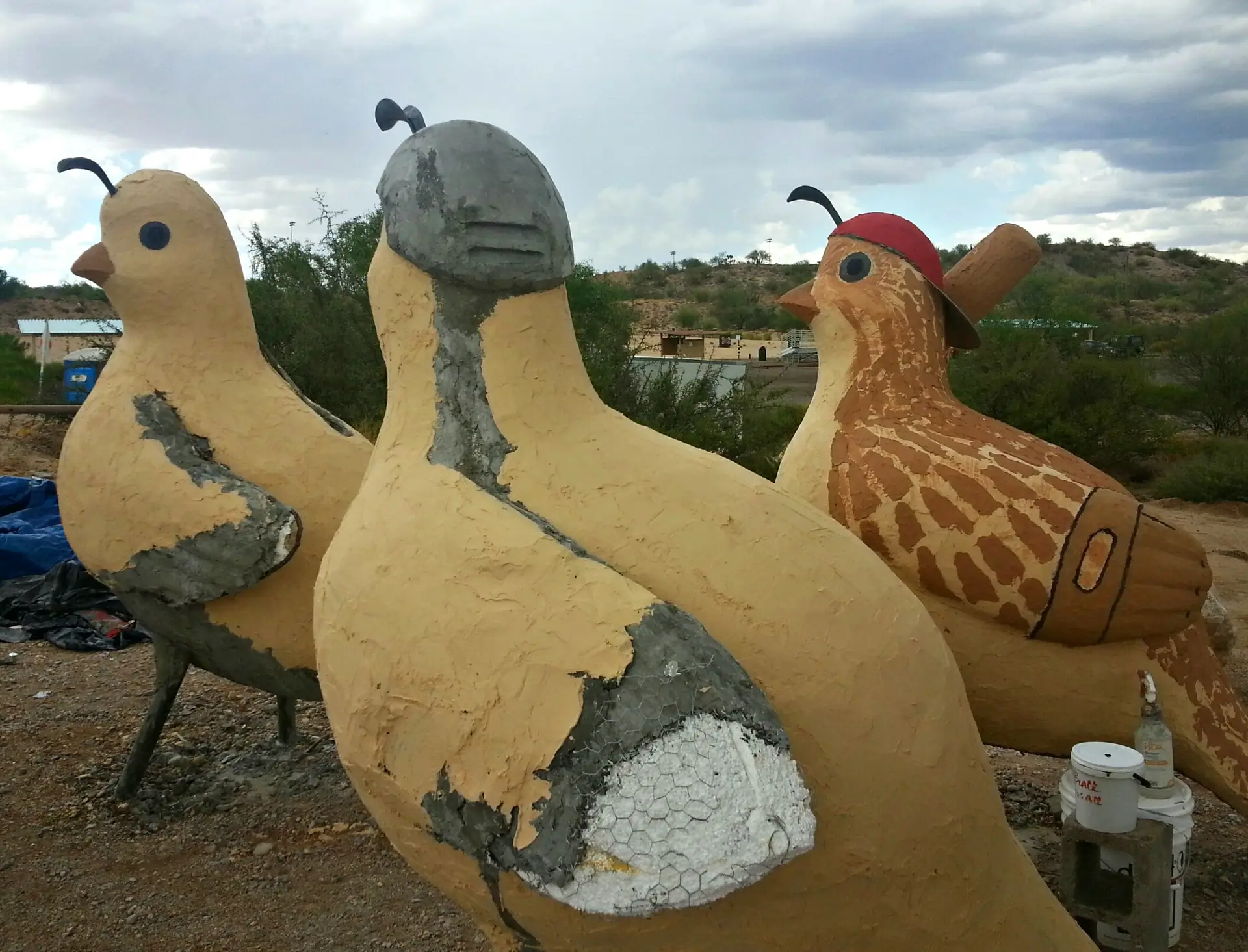
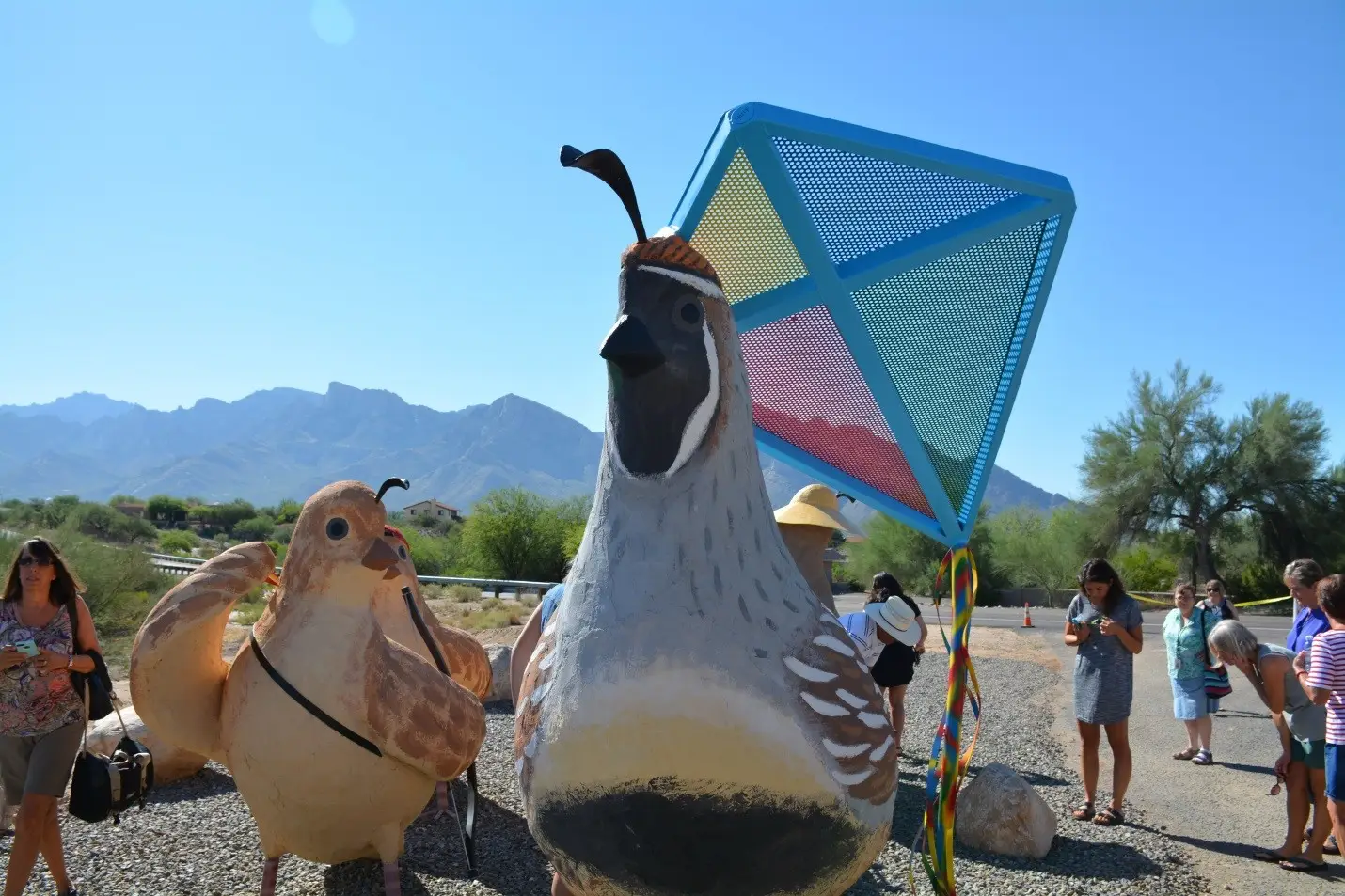
Under the mentorship of teaching artists Jason Butler (sculptor and metal artist) and Hirotsune Tashima (ceramic artist), ten local high school students—Brenna Bumb, Oscar Cardenas, Naomi Chandran, Molly Haskell, Mikenna Hill, Rachel Hipps, Cassie Ho, Sophia Silva, Haley Smith, and Ariana Snyder—designed and installed a whimsical series of quail sculptures that symbolize family, recreation, and the spirit of Oro Valley.
The project served as a welcoming gateway to Naranja Park, reflecting the park’s role as a hub for sports, wellness, and community connection. Each quail incorporated abstract references to the activities and experiences available within the park, creating a playful yet meaningful landmark that tied together themes of multi-generational diversity, health, and community discovery.
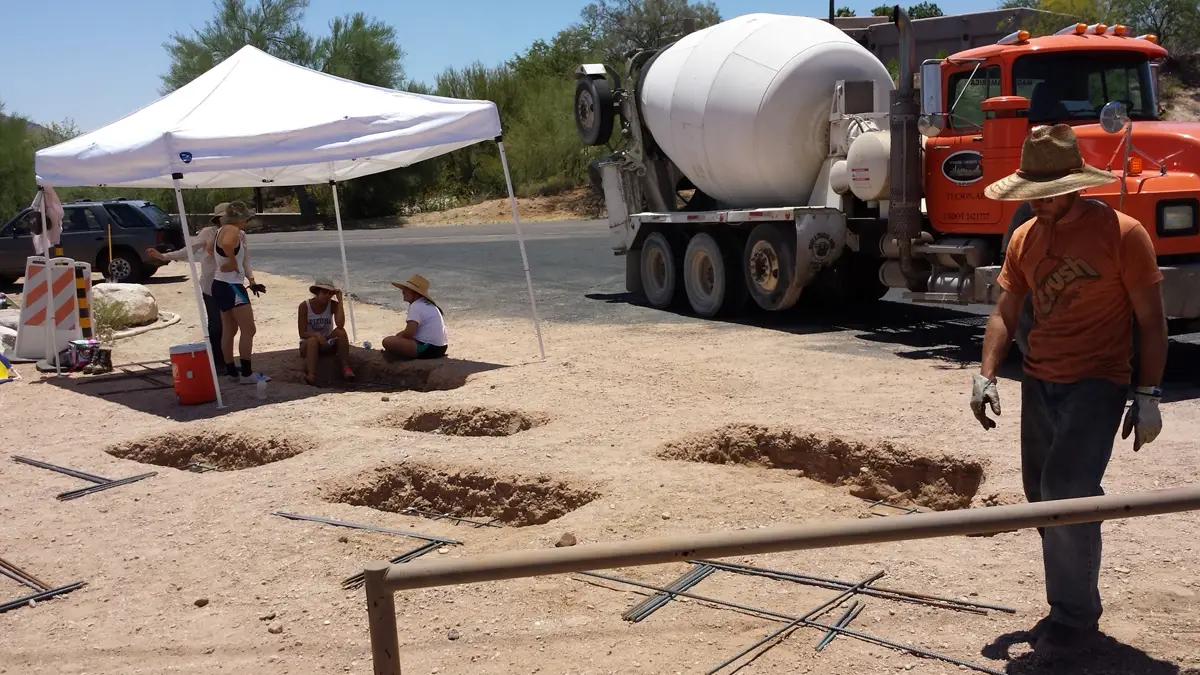
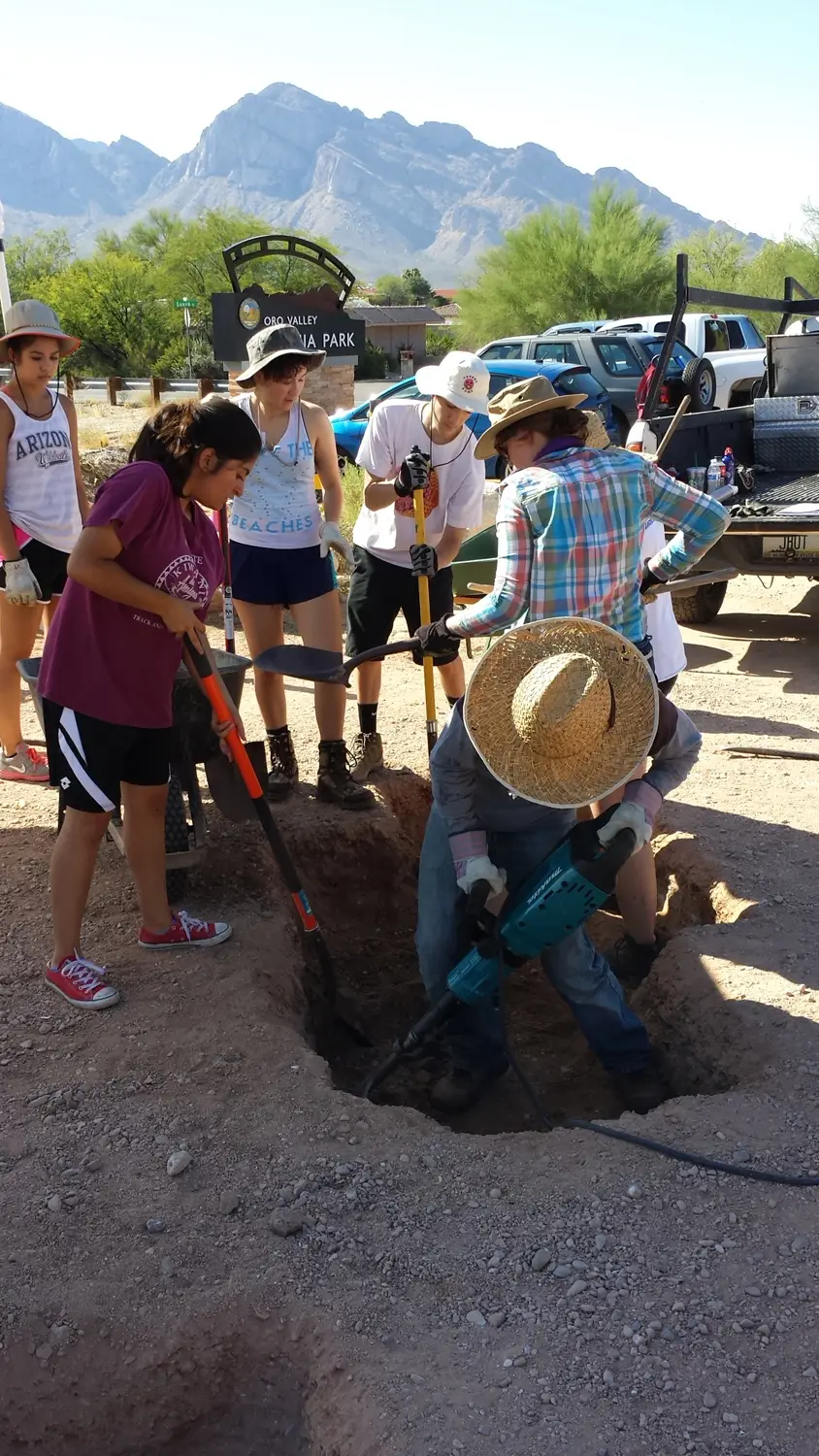
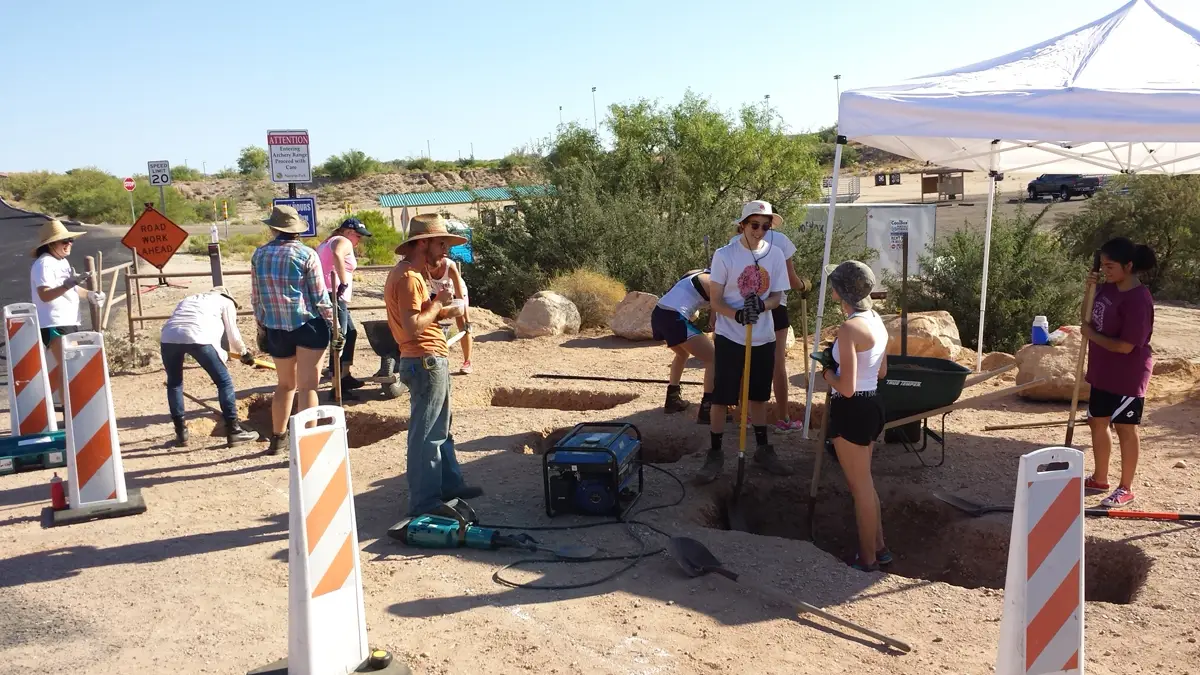
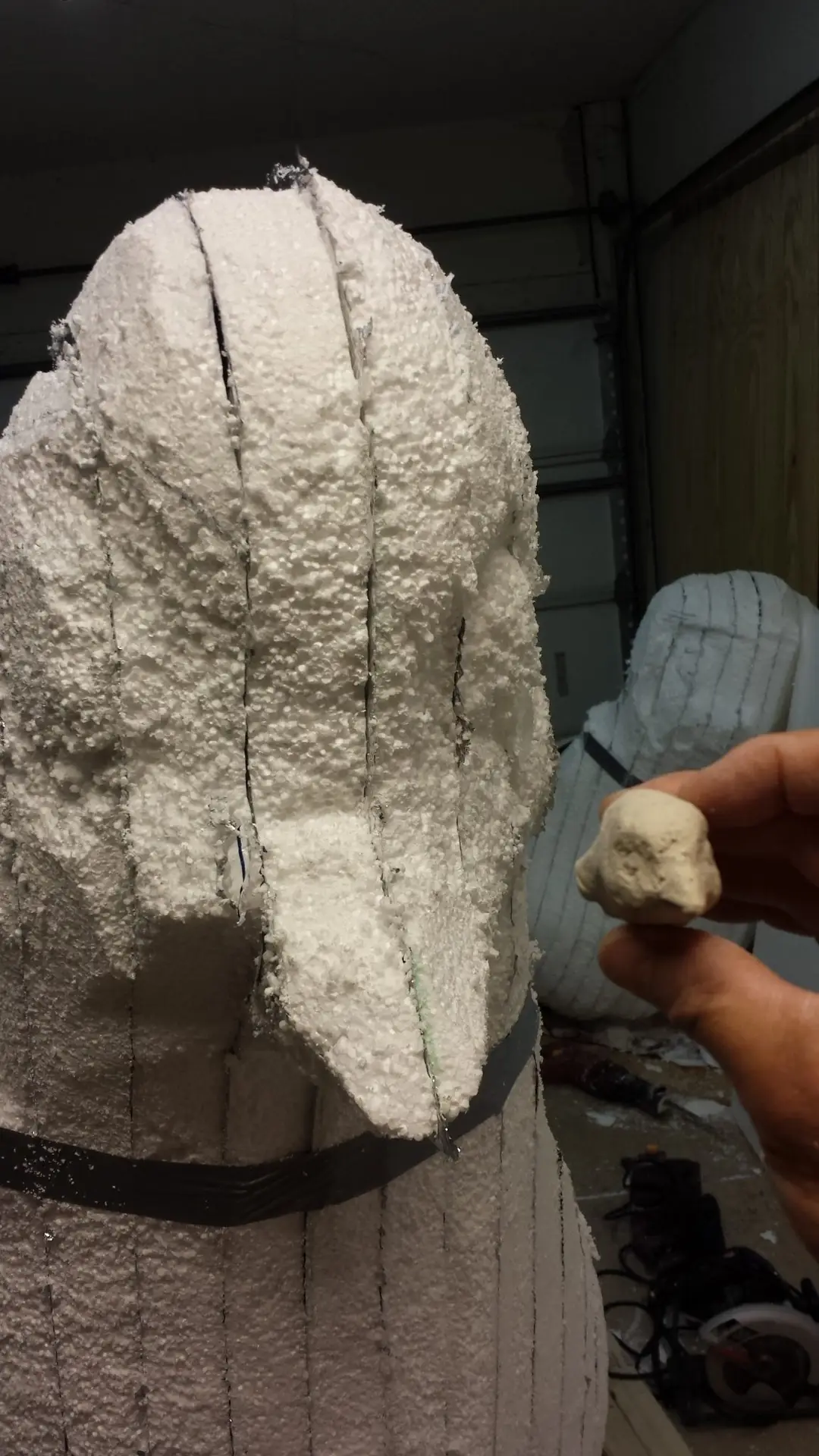
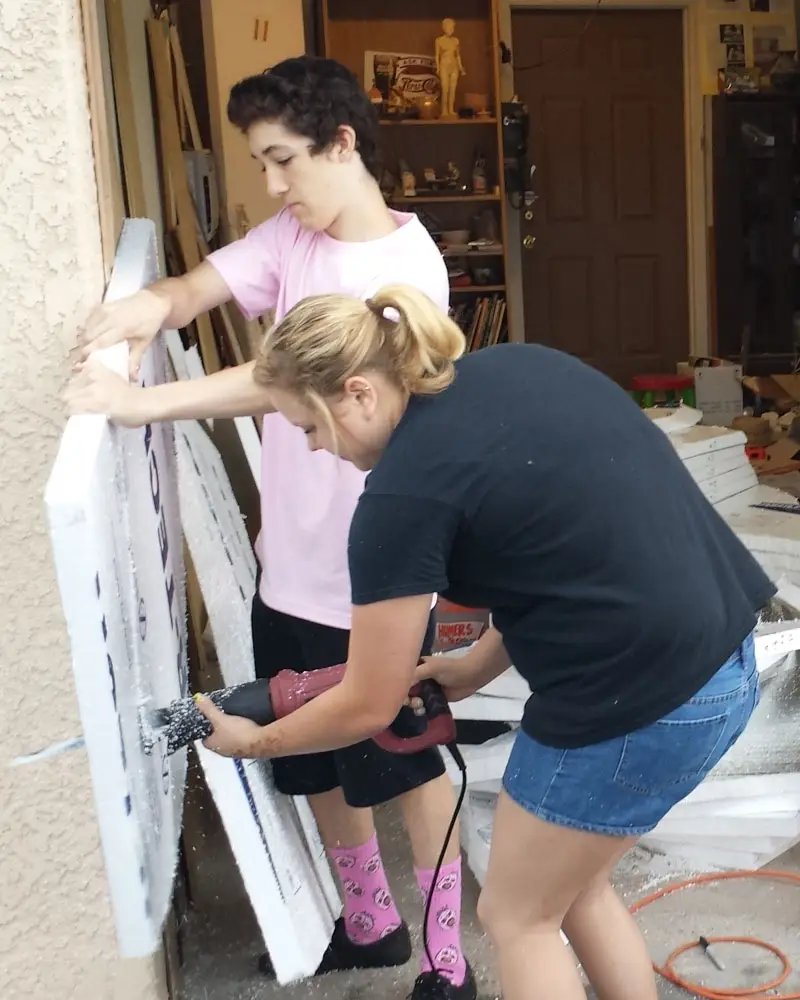
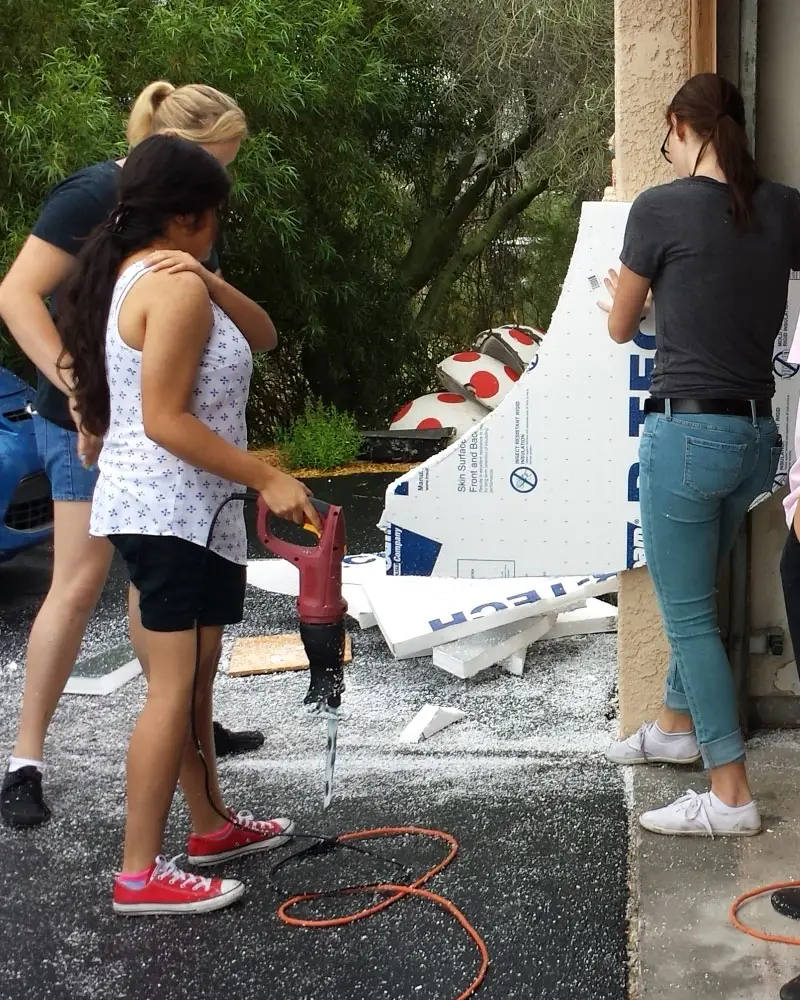
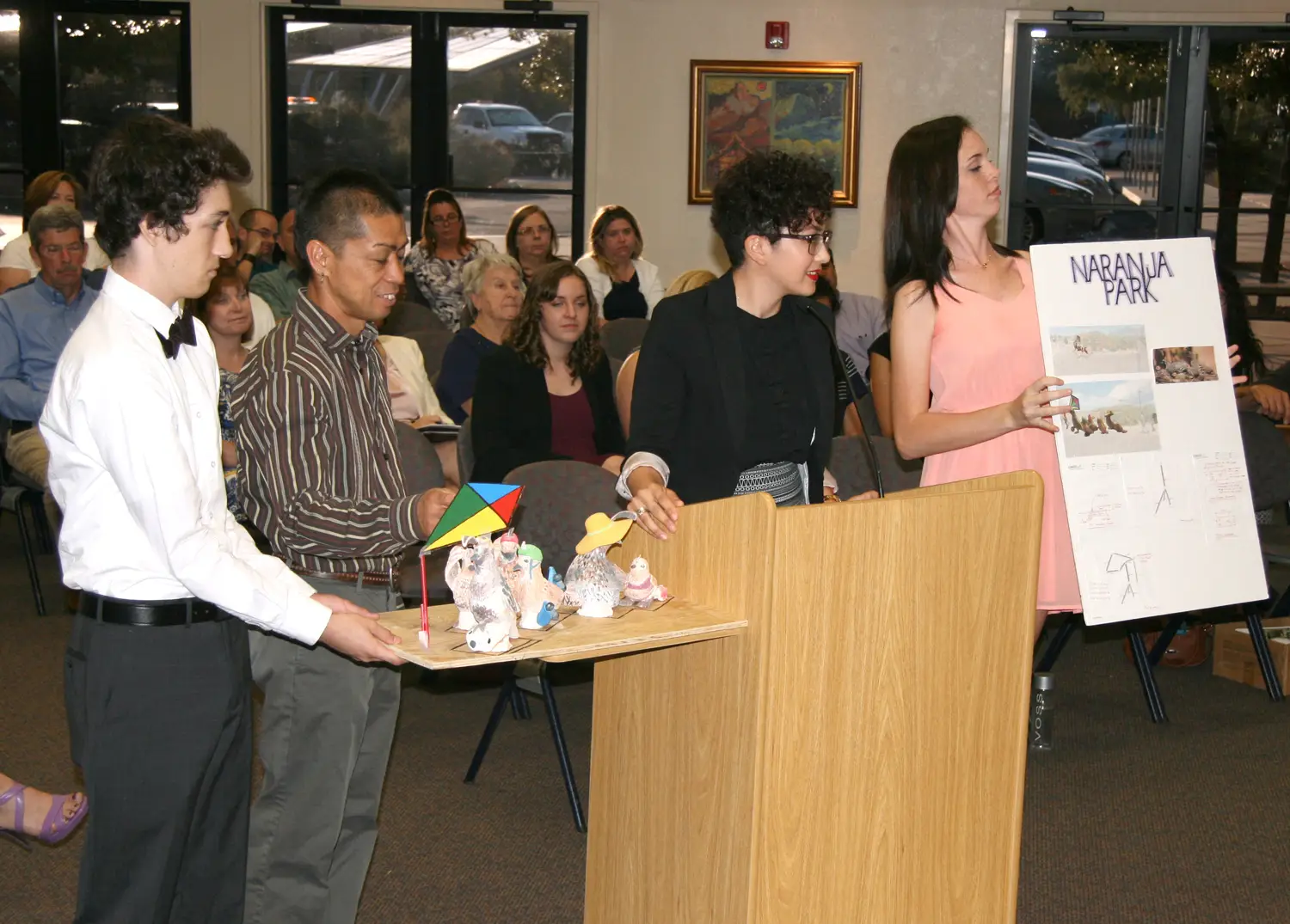
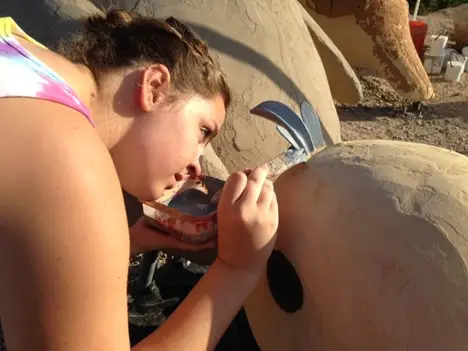
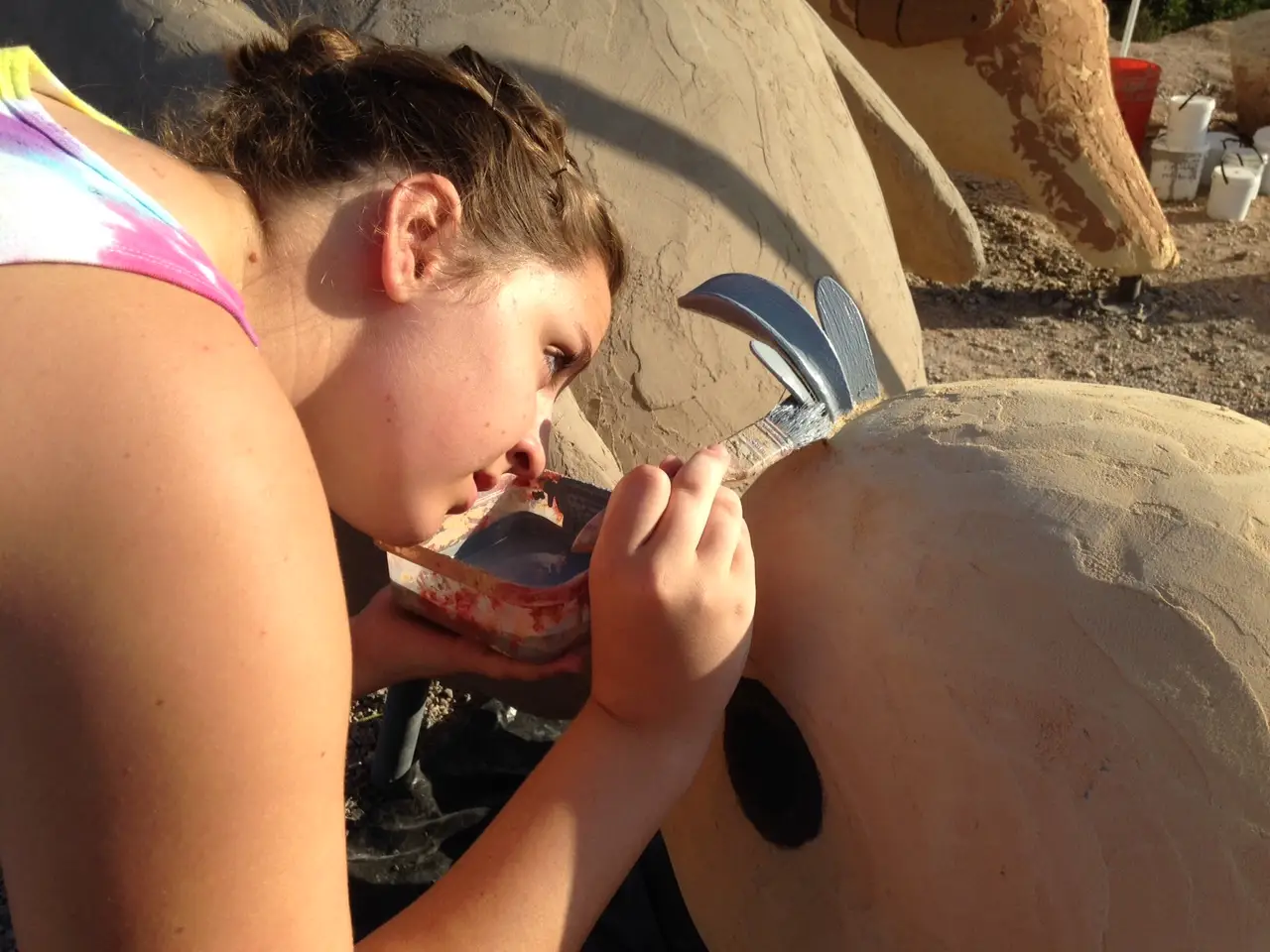
The apprentices gained hands-on training in tilework, mosaic, and metal fabrication, while also practicing applied skills in math, engineering, and project planning. Working with Town of Oro Valley staff, the students experienced the full spectrum of a professional public art commission—from concept design and community presentation to grading, installation, and final dedication. Through this process, they developed essential workforce skills such as collaboration, time management, accountability, and communication, while earning wages that supported their education.
The 2015 TABY project remains a milestone in Oro Valley’s public art legacy. As both a community landmark and a celebrated workforce development program, it continues to stand as a lasting example of how youth artists can shape civic identity through creativity, craftsmanship, and collaboration.

Transportation Art by Youth – Oro Valley 2012

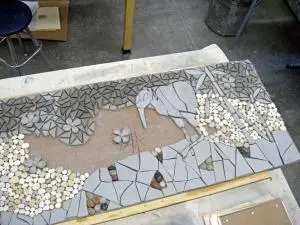
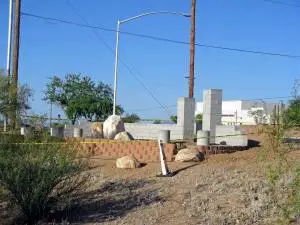
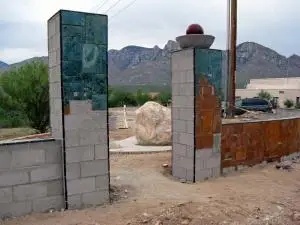
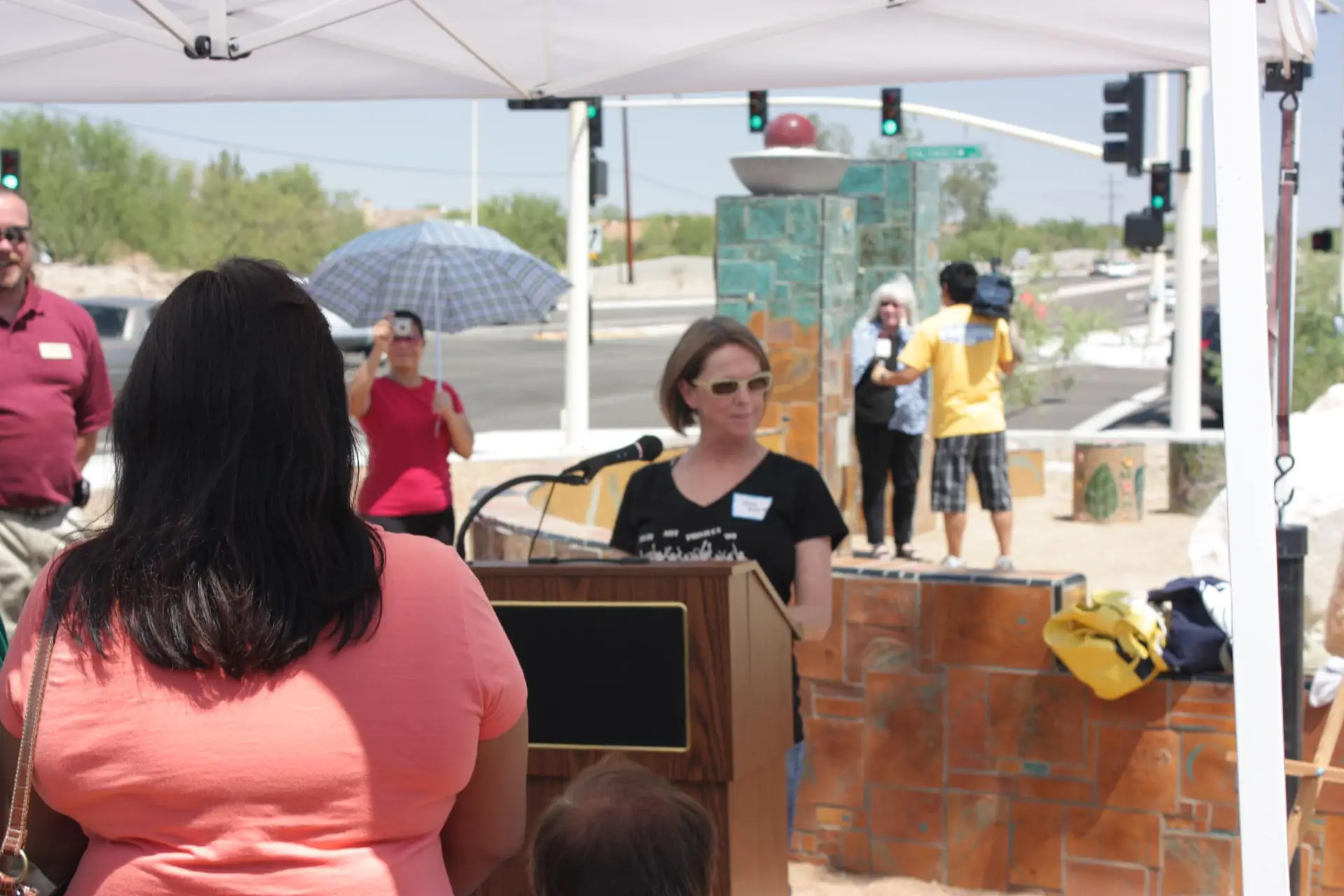
In summer 2009, the Transportation Art by Youth (TABY) program, produced by the Pima Association of Governments in partnership with the Town of Oro Valley and the Southern Arizona Arts & Cultural Alliance, created “The Oasis” at the intersection of 1st Avenue and Palisades Road. Designed as a welcoming refuge for the community, the project integrated custom seating, sculptural columns, and colorful tilework inspired by the natural topography of Oro Valley and the breathtaking Catalina Mountain views that framed the site.
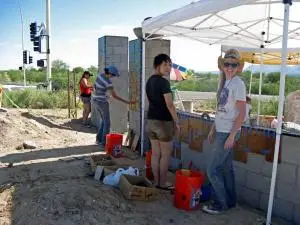
Under the mentorship of teaching artist Amy Kyle, ten student apprentices—Tommy Cooper, Christina Earl, Jasmine Mills, Laura Nicholson, Cara Roberts, Kelsey Steed, Roxanne E. Harding, Jeff Terry, Xiaoming Yang, and Hyejin Jenny Lee—spent the summer engaged in every stage of the public art process. From fabrication to installation, they learned technical skills in tilework, digital design, and construction, while also building essential workforce skills such as teamwork, planning, and problem-solving.
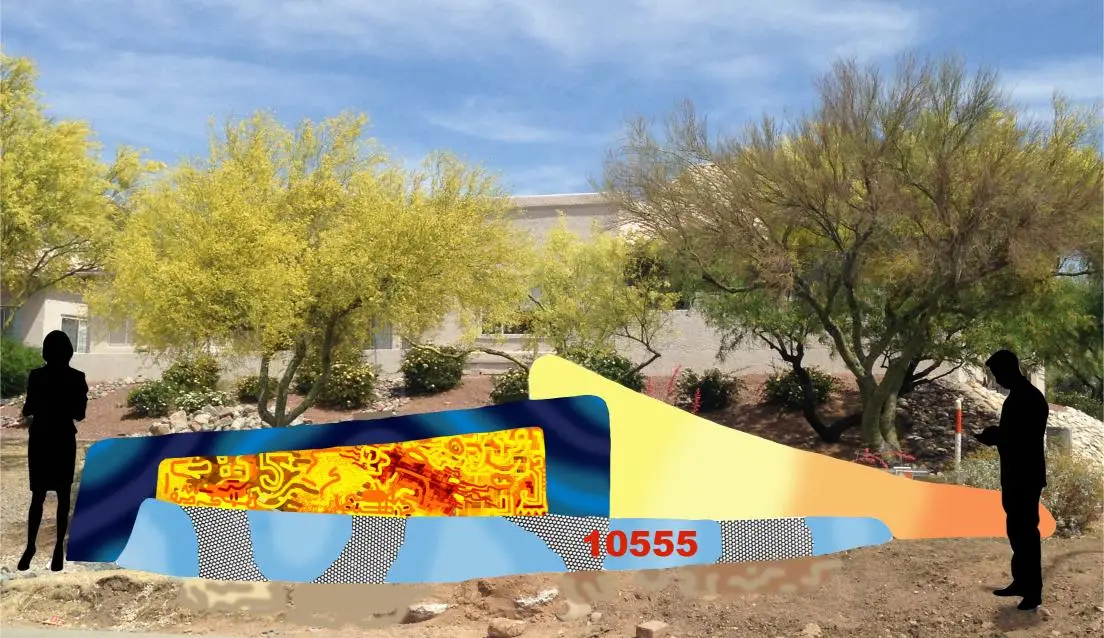
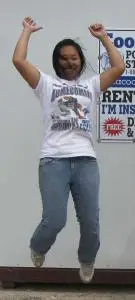
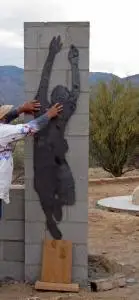
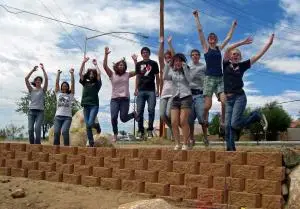
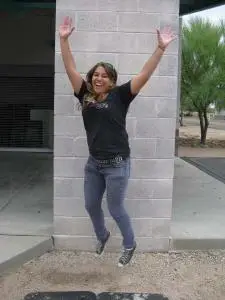
Community themes of nature, wellness, and connectedness shaped the design, resulting in an installation that blended functionality with storytelling. A unique highlight of the project was the incorporation of digital cut-out silhouettes of the students themselves, captured mid-jump, symbolizing both their excitement and the youthful energy they brought to the project.
For the apprentices, the project provided not only a paid summer opportunity but also hands-on training that connected classroom concepts like math and design to real-world applications. For Oro Valley, The Oasis became a place of gathering and reflection—an enduring public landmark that continues to embody the creativity, pride, and spirit of the community’s next generation.

Transportation Art by Youth – Oro Valley 2012

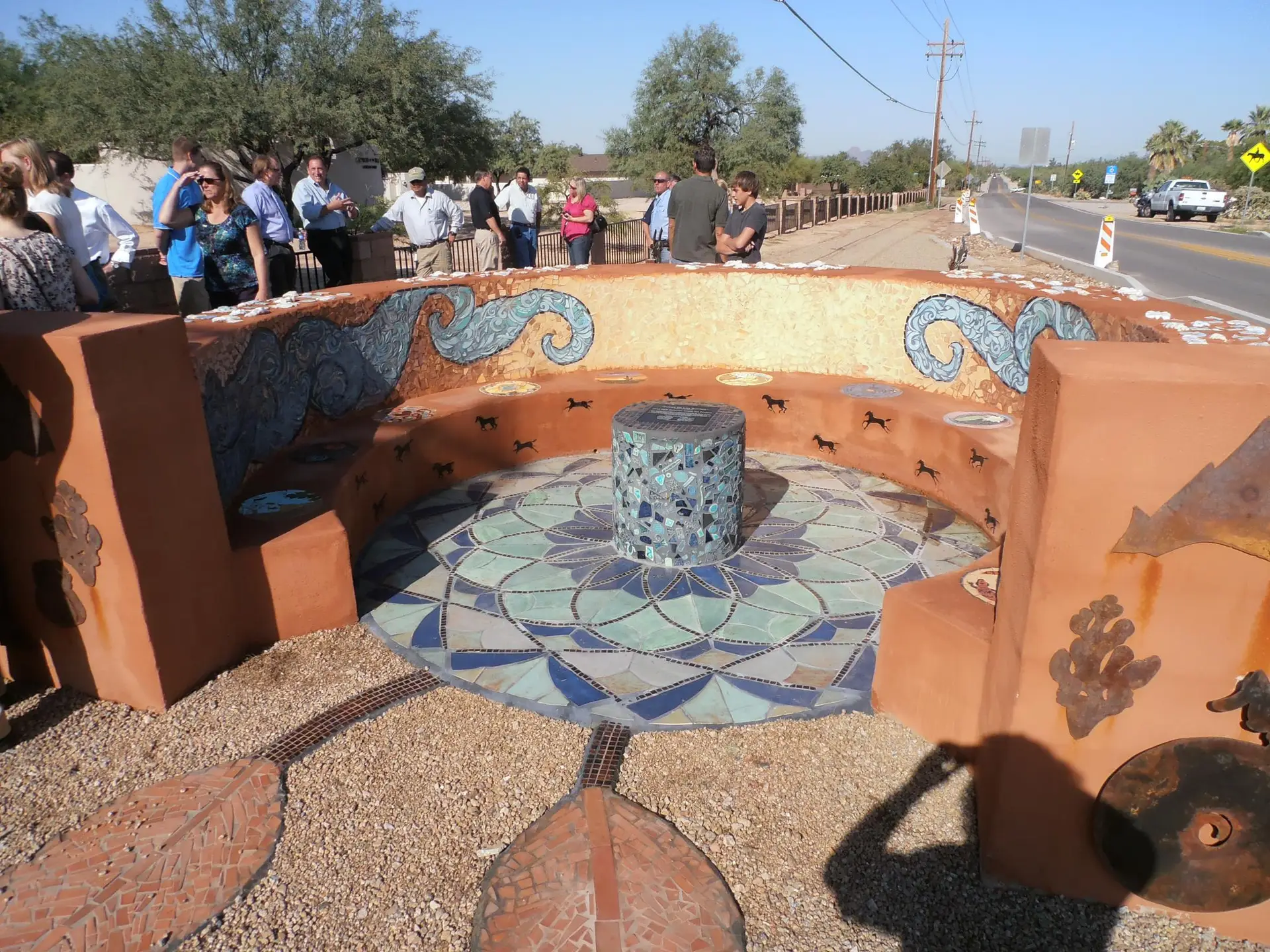
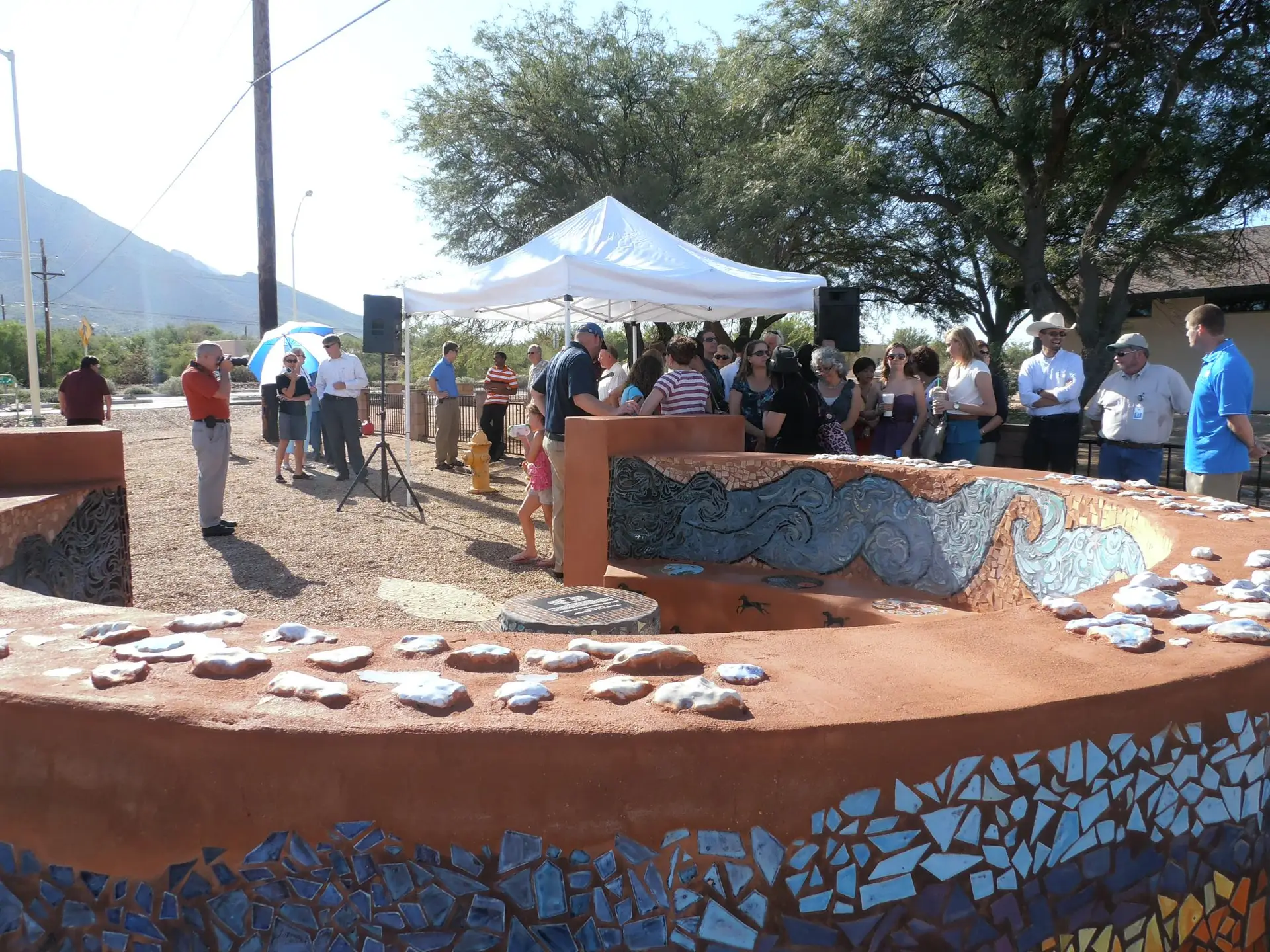
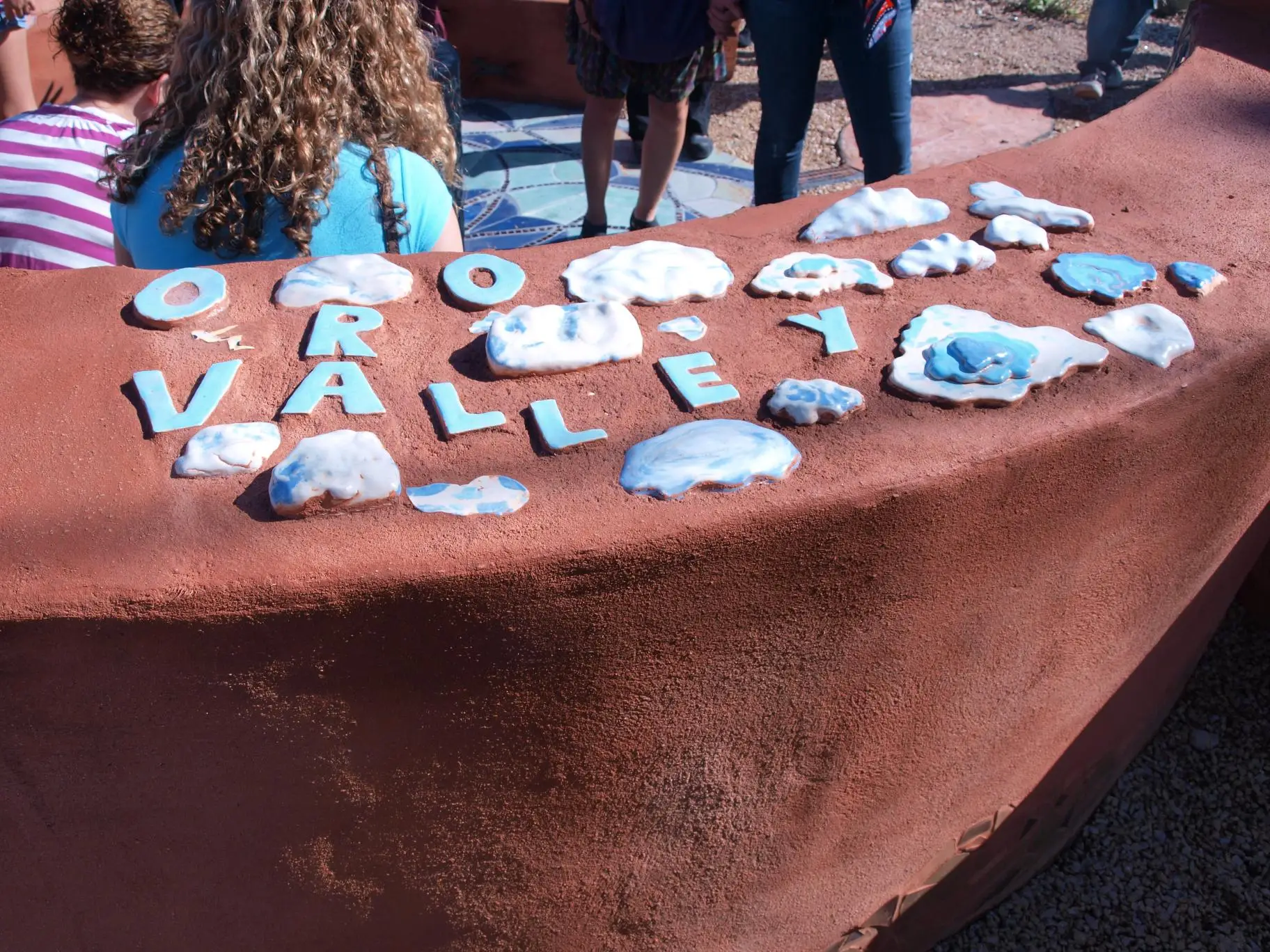
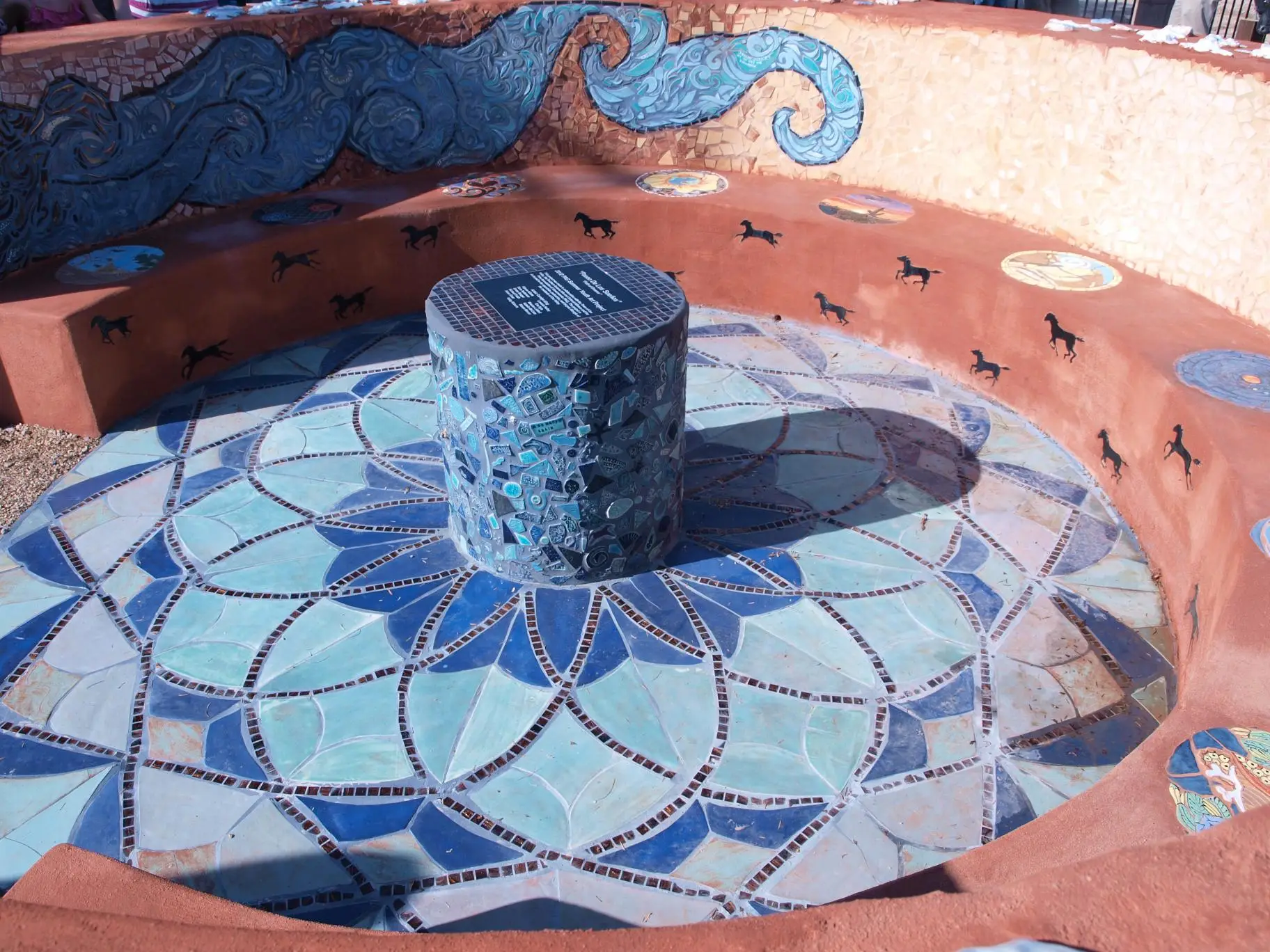
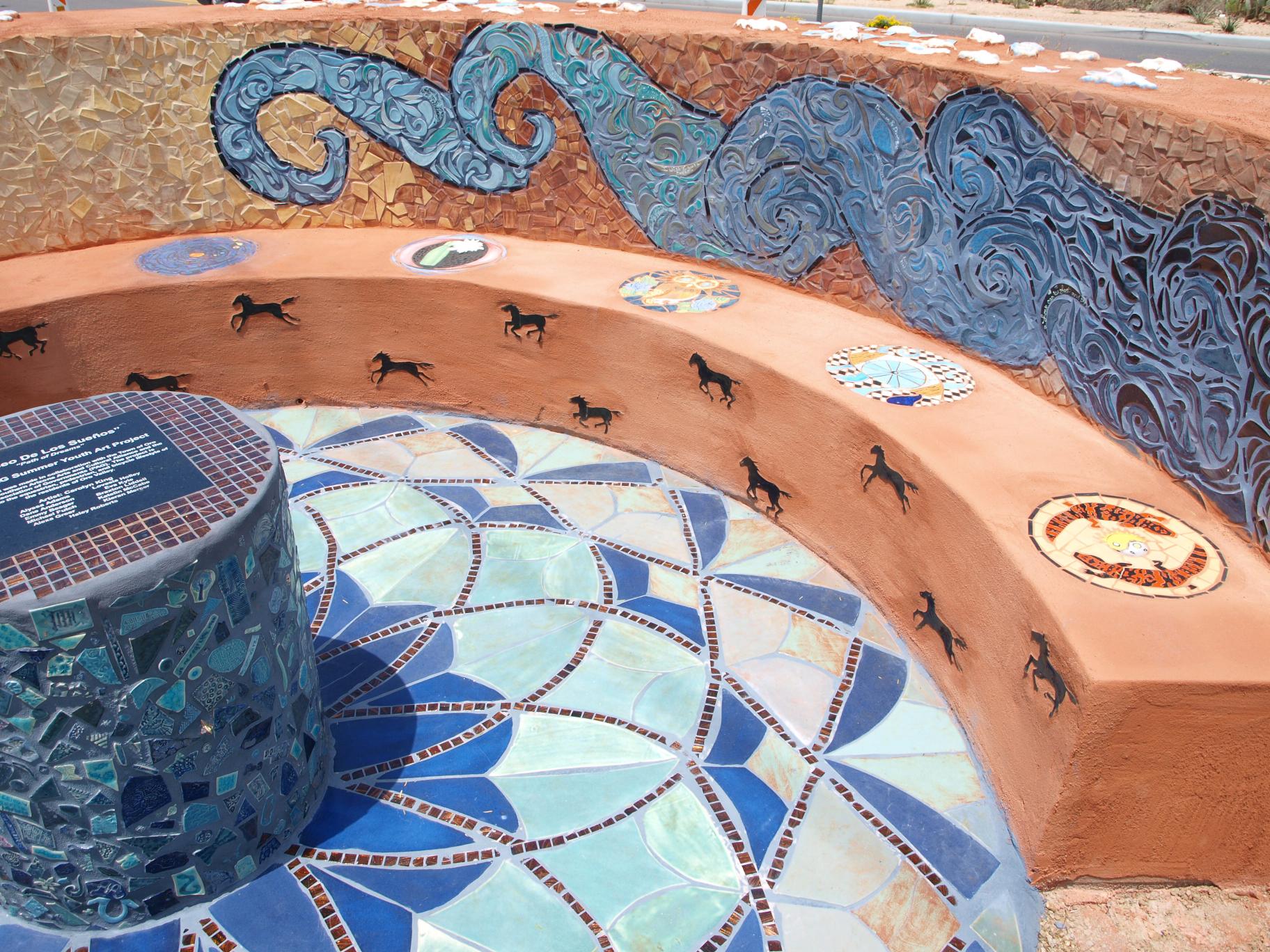
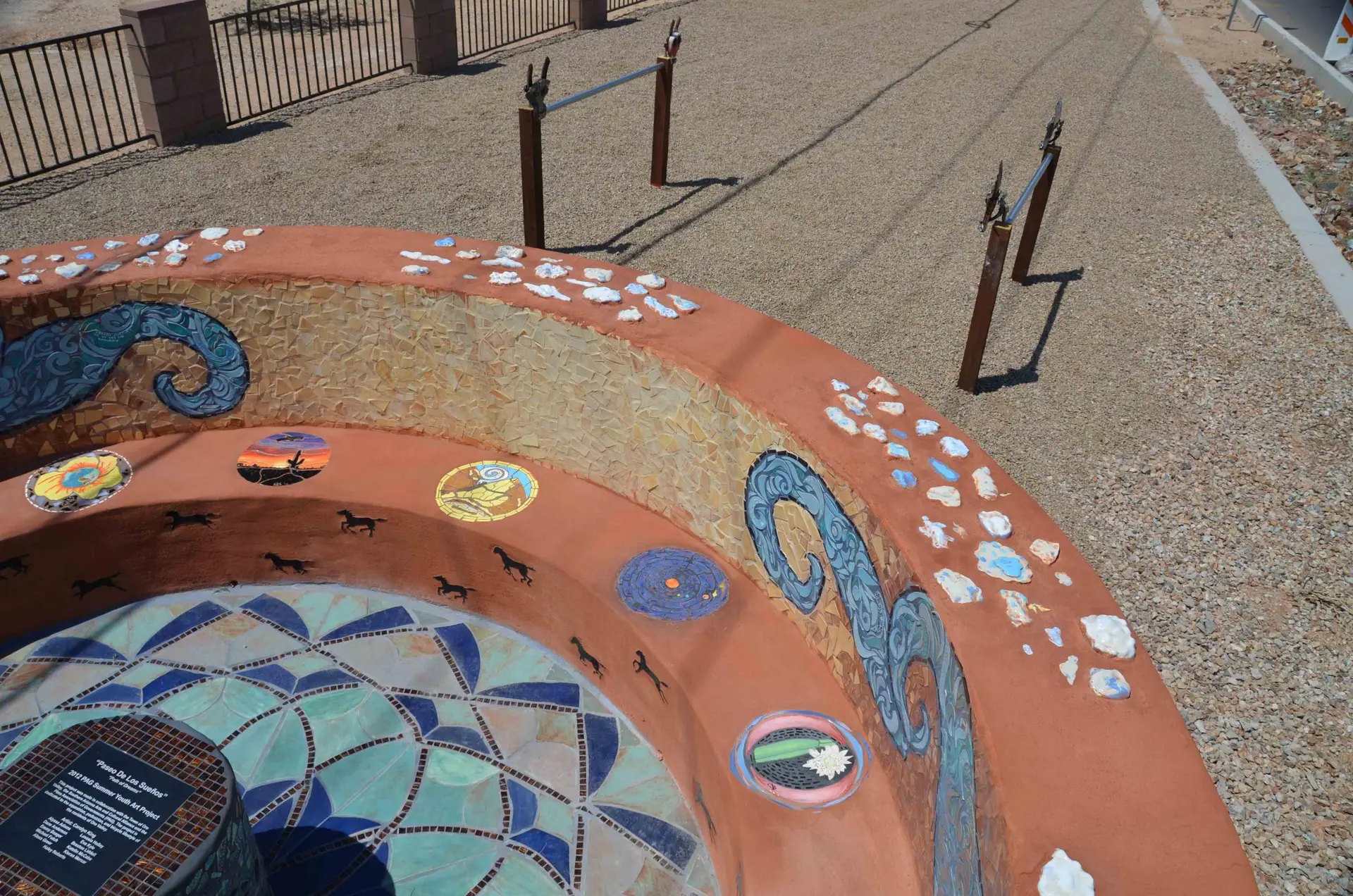
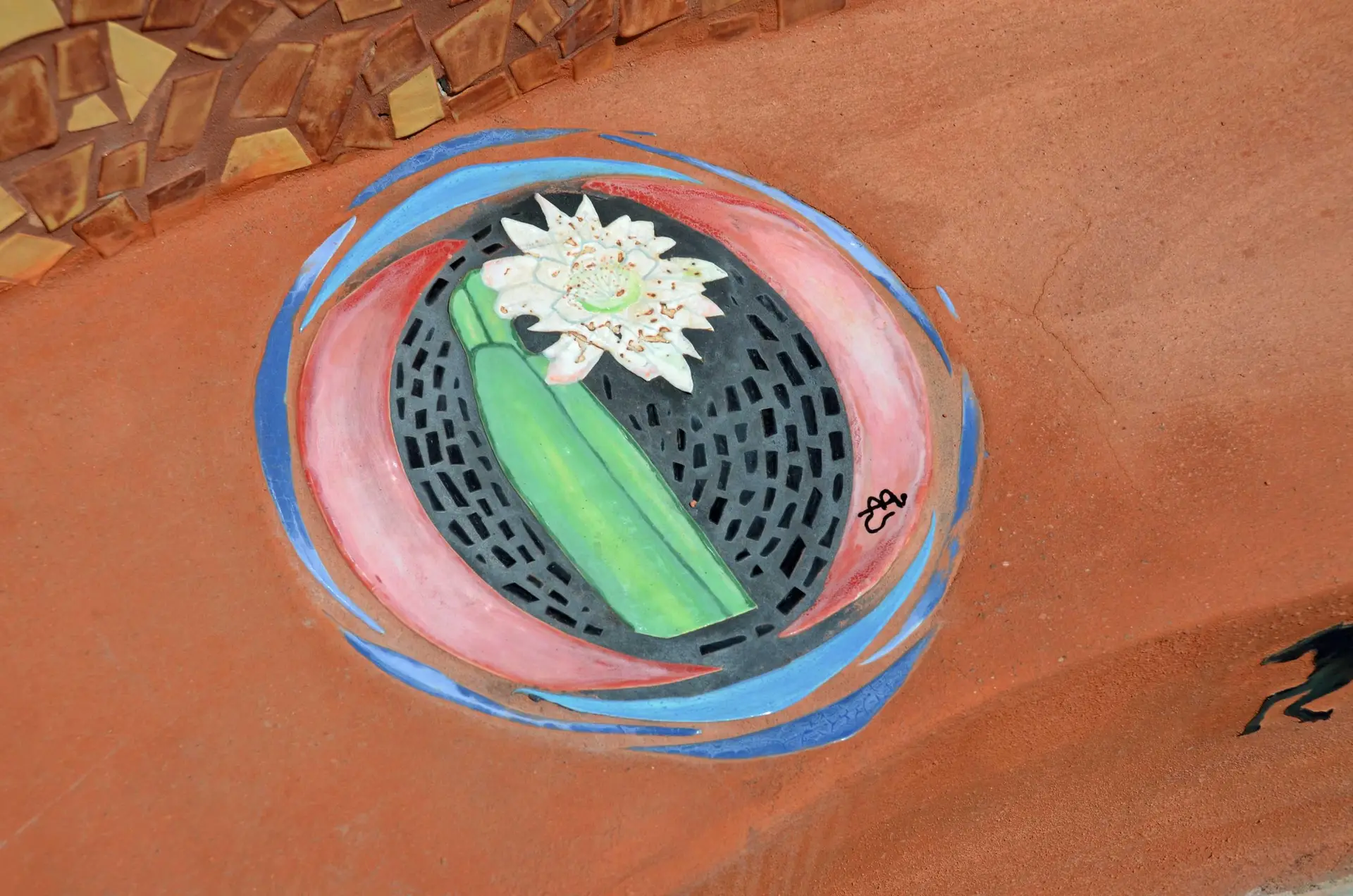
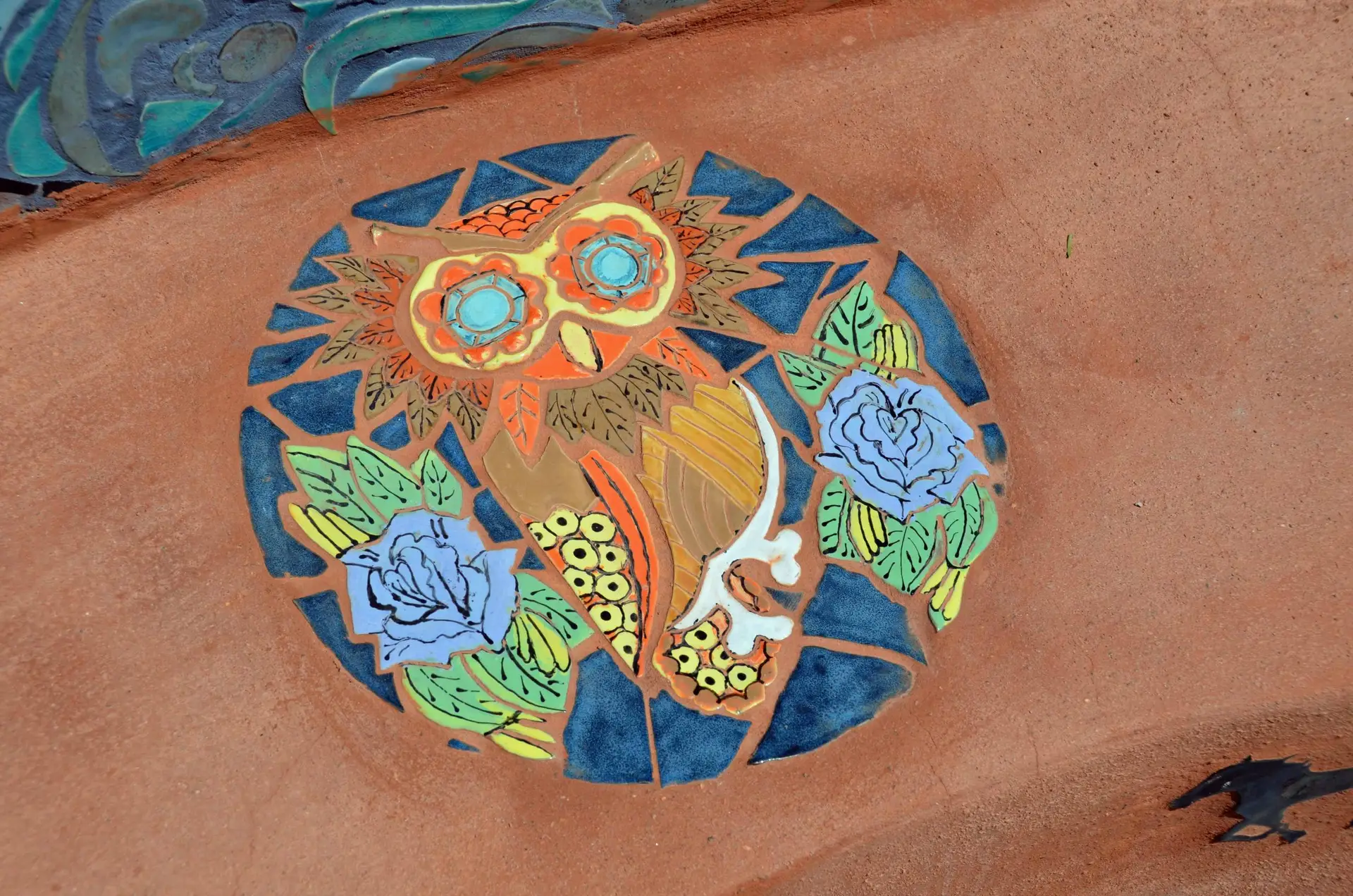
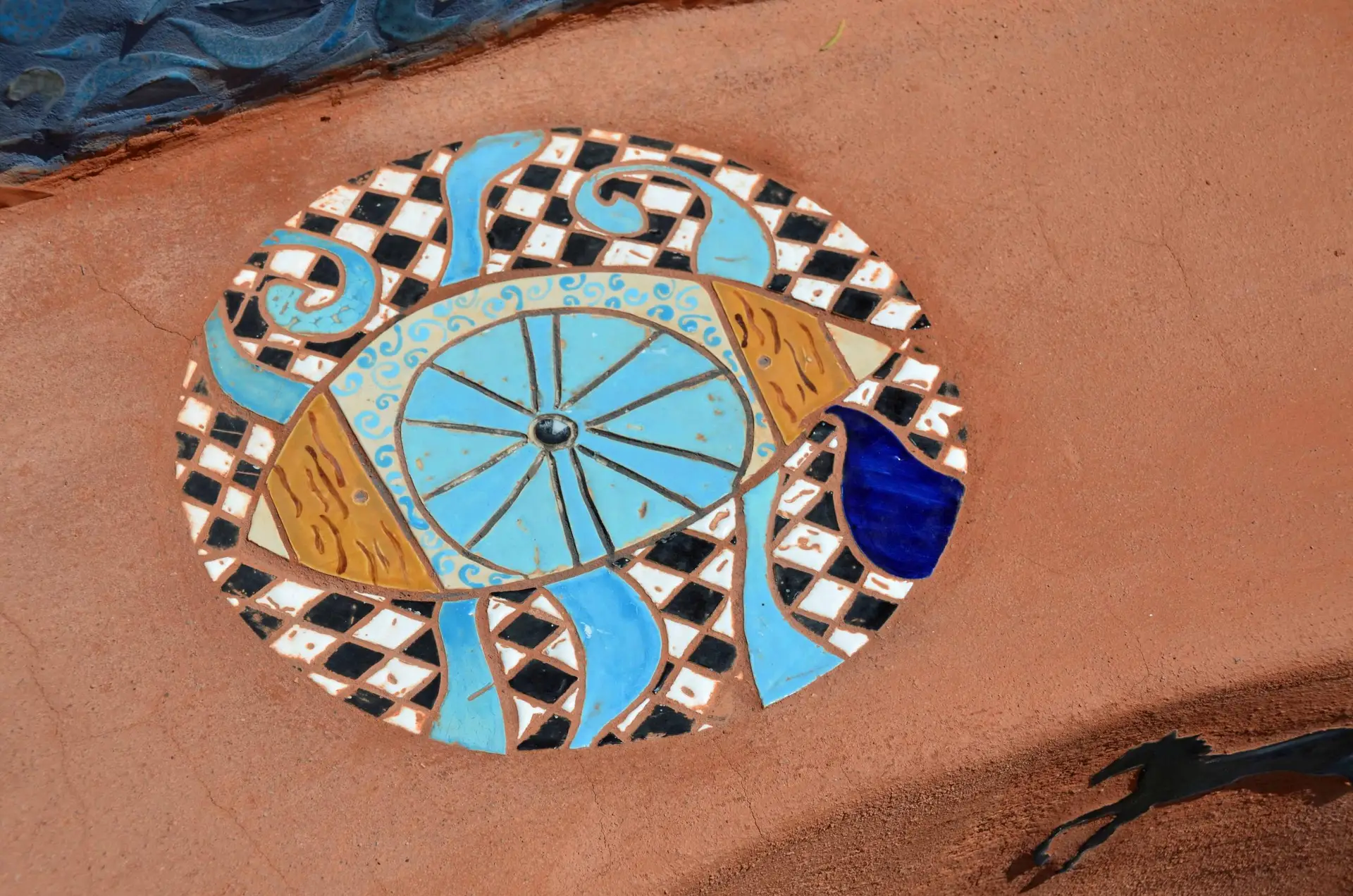
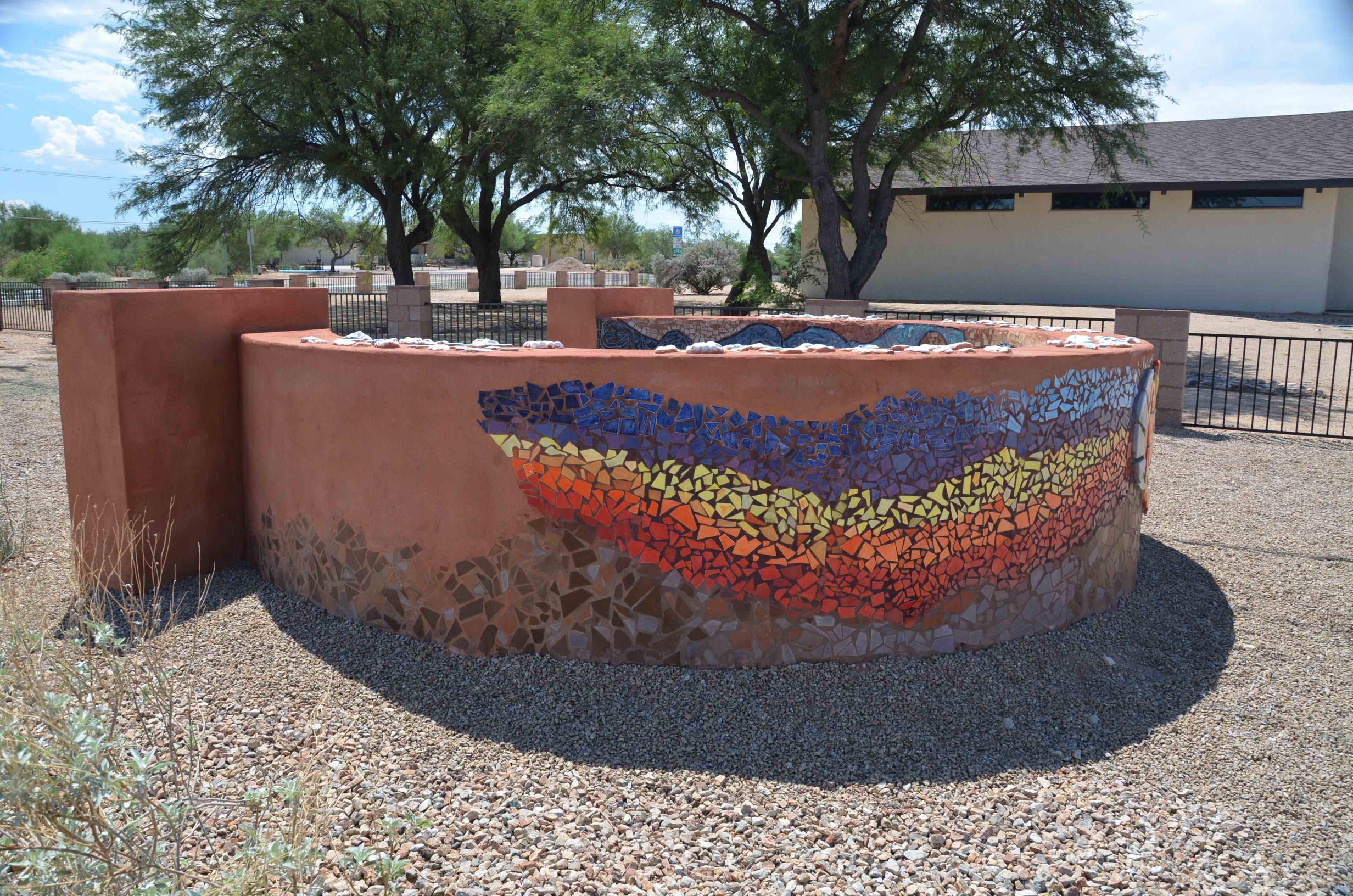
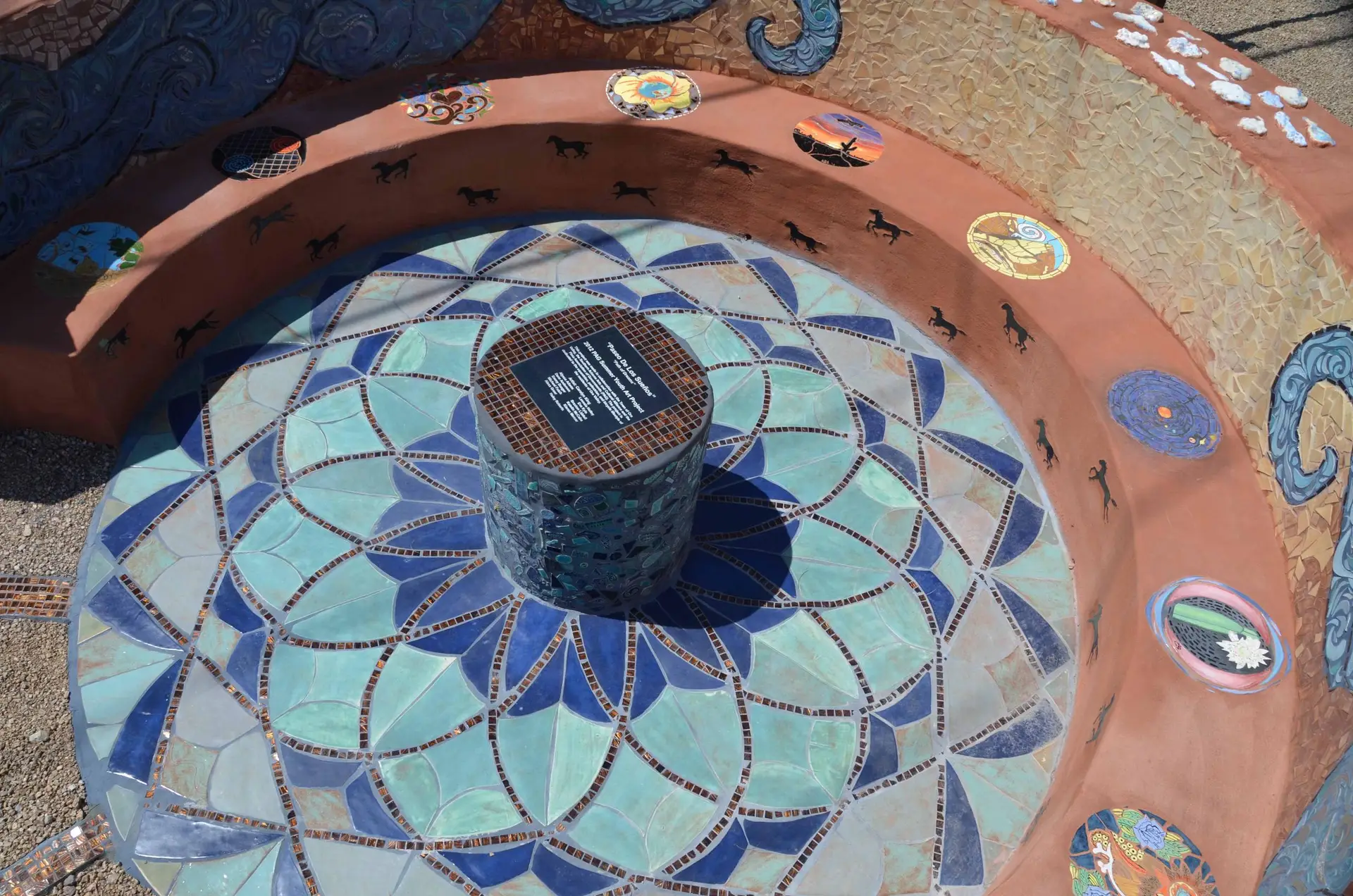
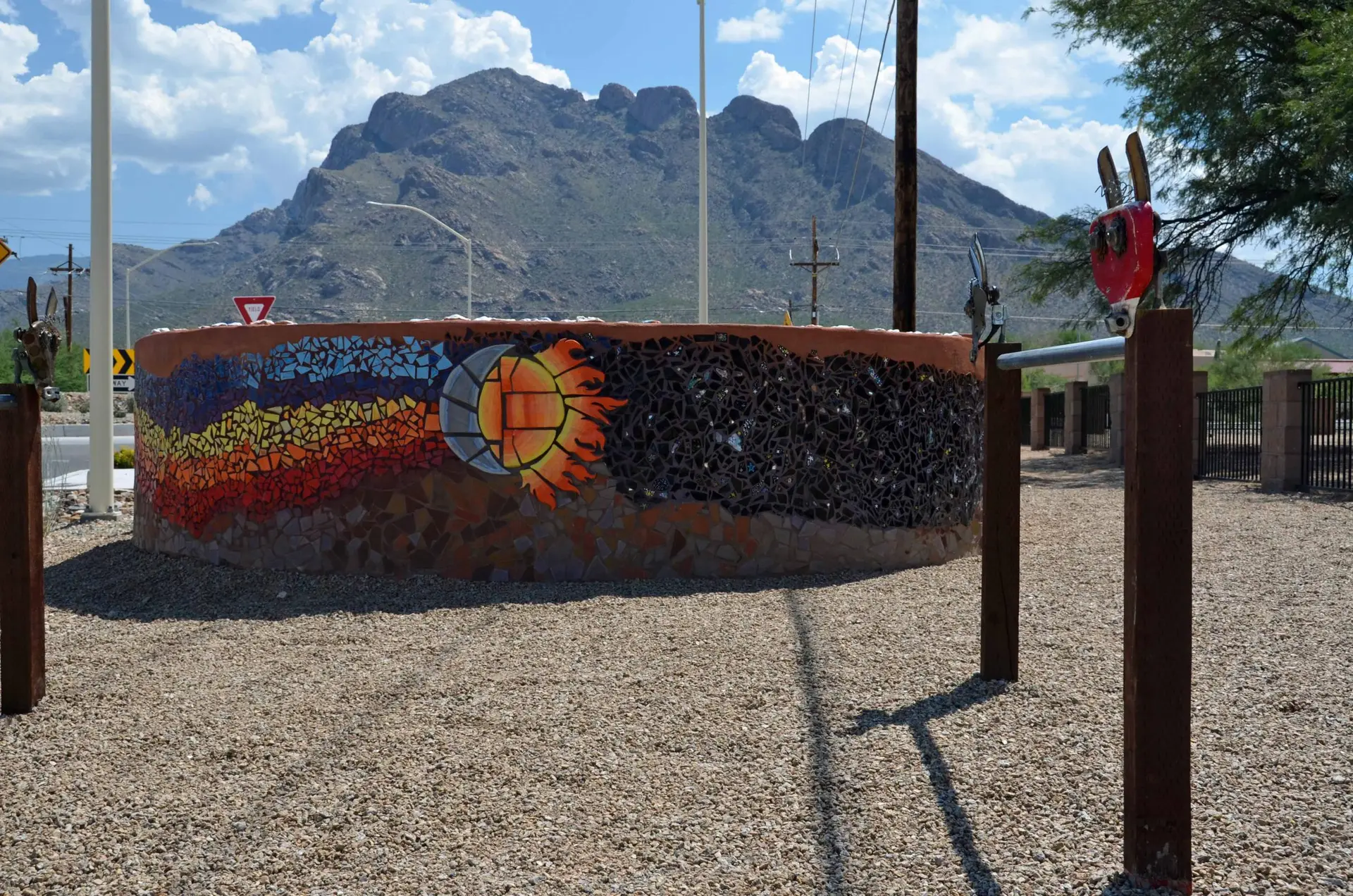
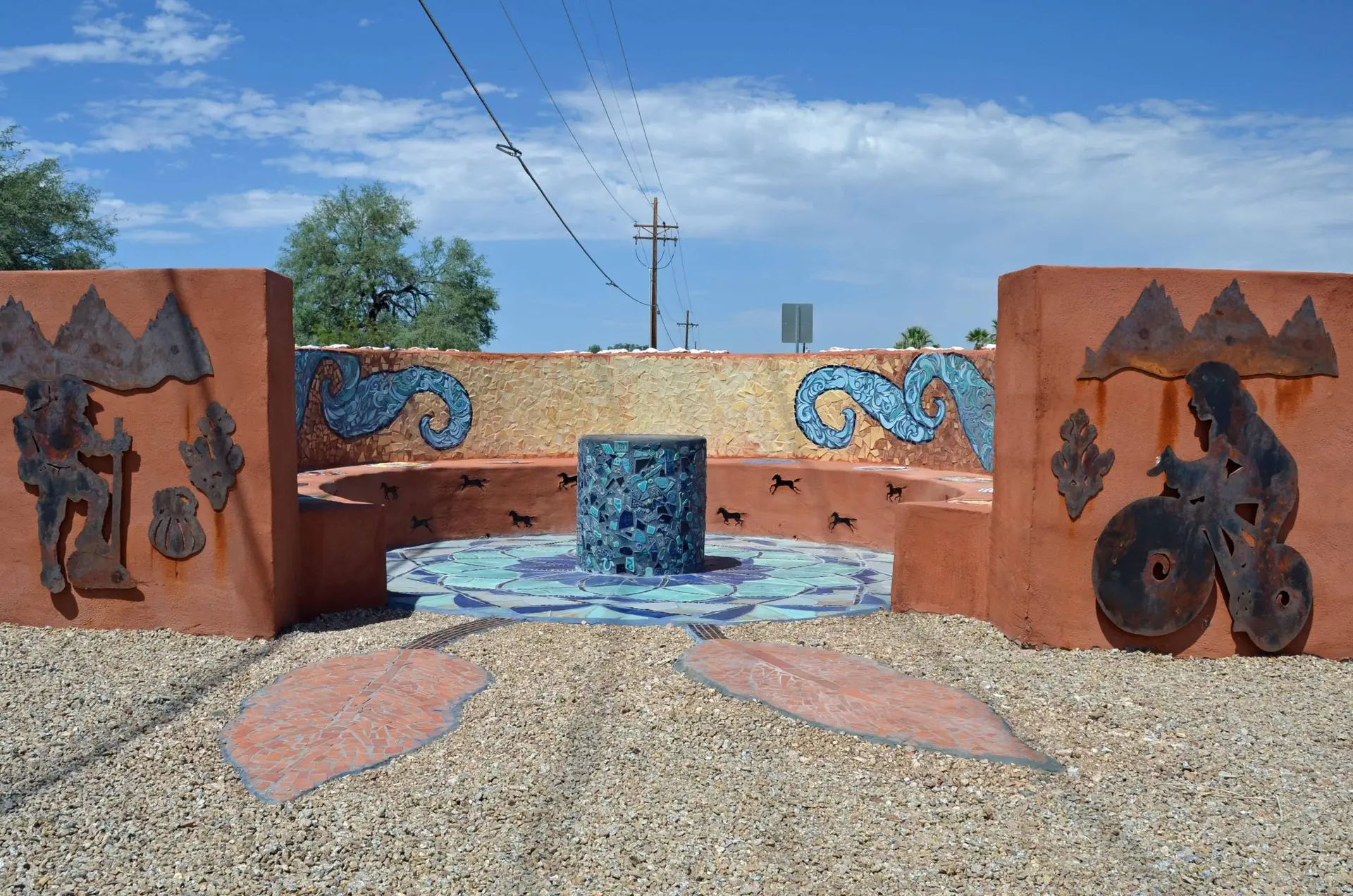
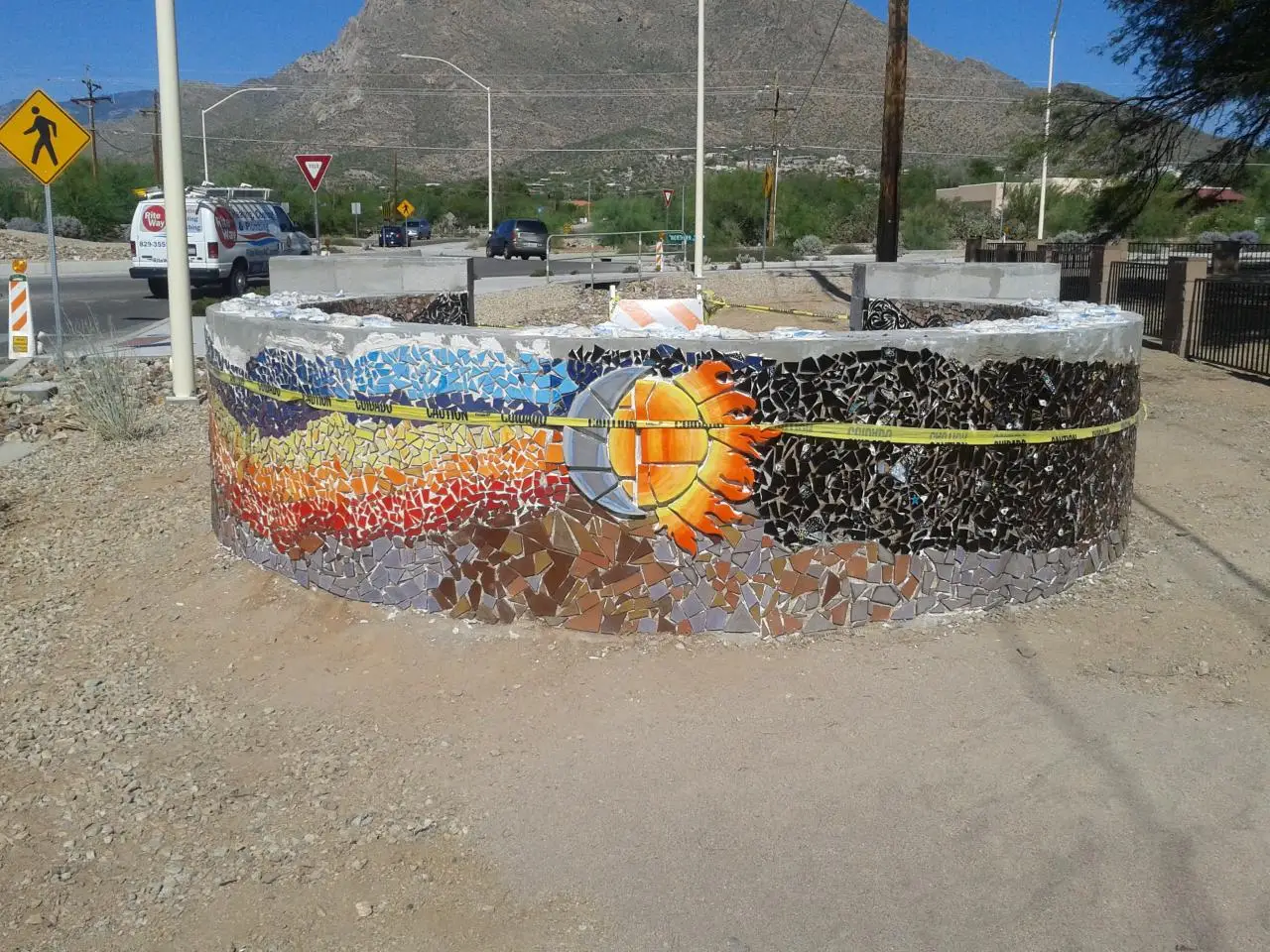
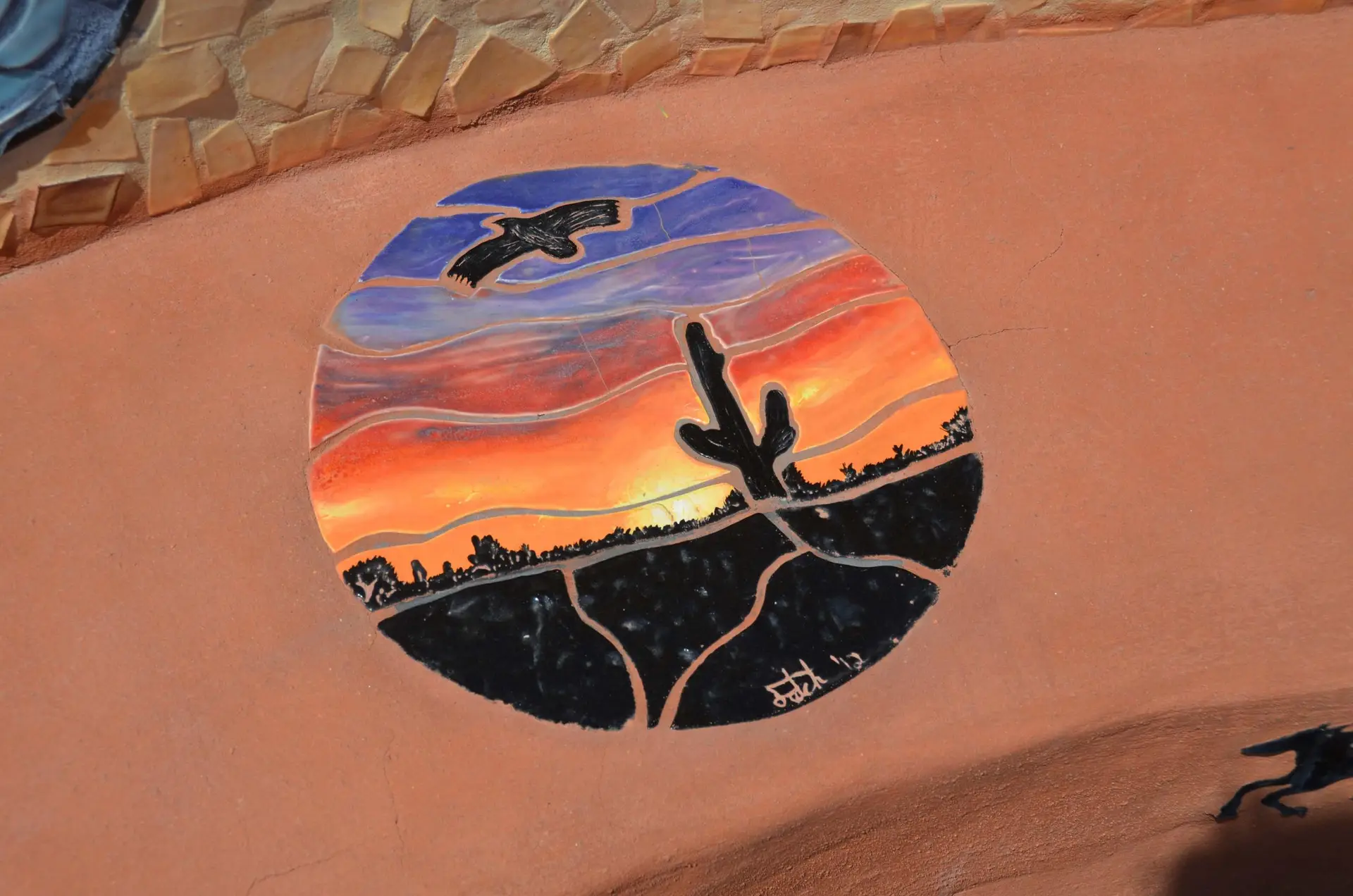
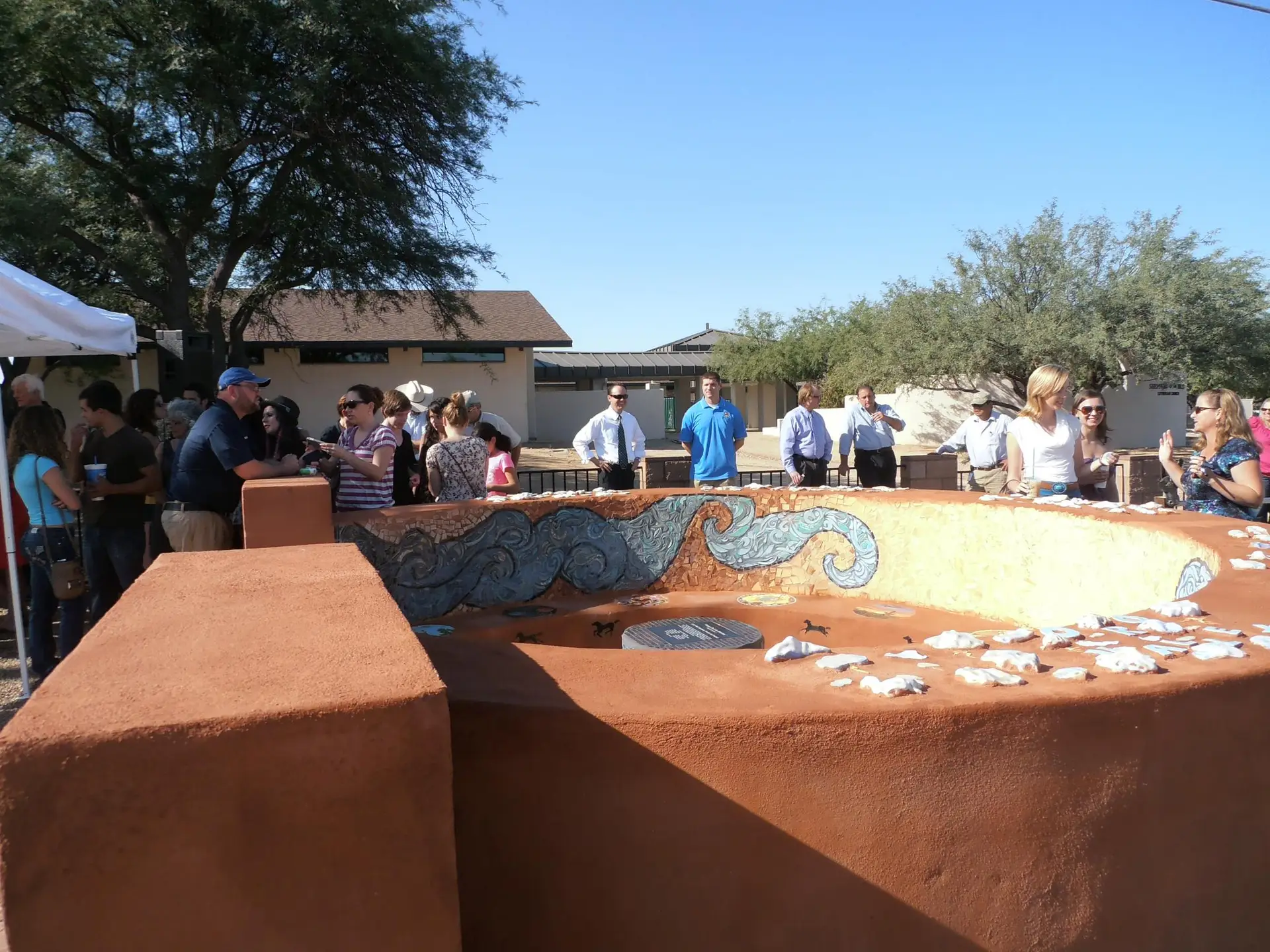
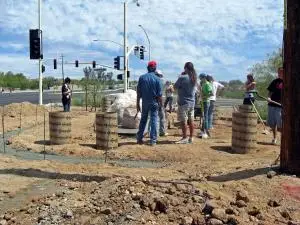
In summer 2012, the Transportation Art by Youth (TABY) program, produced by the Pima Association of Governments in partnership with the Town of Oro Valley and the Southern Arizona Arts & Cultural Alliance, created a landmark public artwork at the intersection of Hardy Road, Northern Avenue, and Camino de Anza. Titled “Paseo de los Sueños – Path of Dreams,” the project celebrated Oro Valley’s equestrian, pedestrian, and cycling culture while creating a functional gathering space for multimodal travelers.
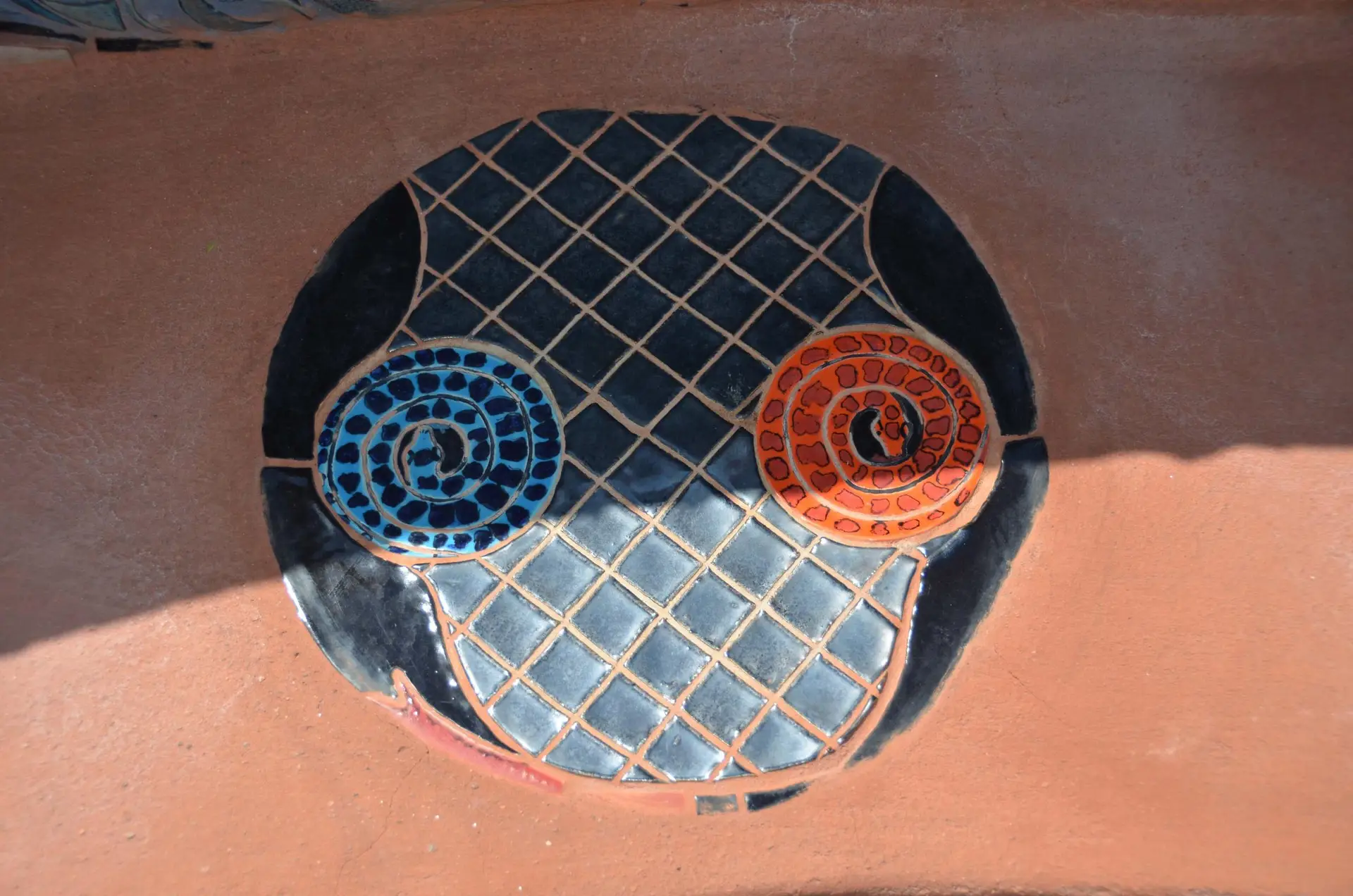
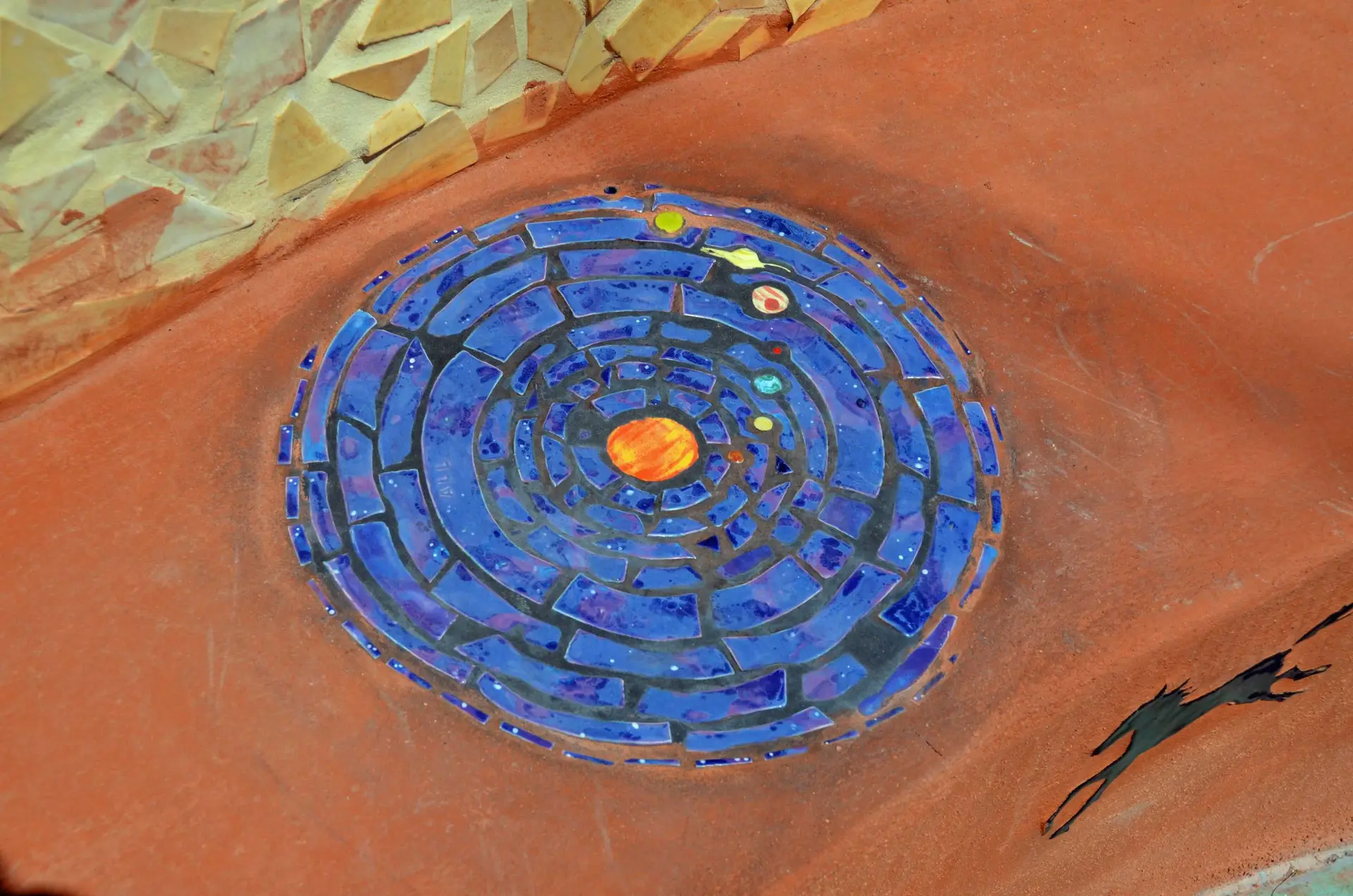
Under the mentorship of teaching artist Carolyn King, with collaboration from Susan Gamble and Santa Theresa Tile Works, eleven youth apprentices—Mercer Kieran, Dane Anderson, Michael Futch, Lovasia Holley, Evangeline Kyle, Alexandra Greer, Alyssa Adams, Amerillis Beager, Katelin McCabe, Haley Roberts, Kelsey Hamilton, and Liddell Braxton—worked for nine weeks to design and build a sculptural oasis that integrated mosaic tile, hand-painted ceramic elements, and seating features. The artwork tied into the equestrian heritage of the surrounding neighborhoods, while also honoring Northern Avenue’s role as a favored cycling route and Sun Shuttle corridor.
The installation became a true “gateway of storytelling,” abstractly representing Oro Valley’s active lifestyle and natural surroundings. By incorporating vibrant color, handmade tile, and mixed media, the students created a contemplative and welcoming node for residents, cyclists, equestrians, and pedestrians alike.
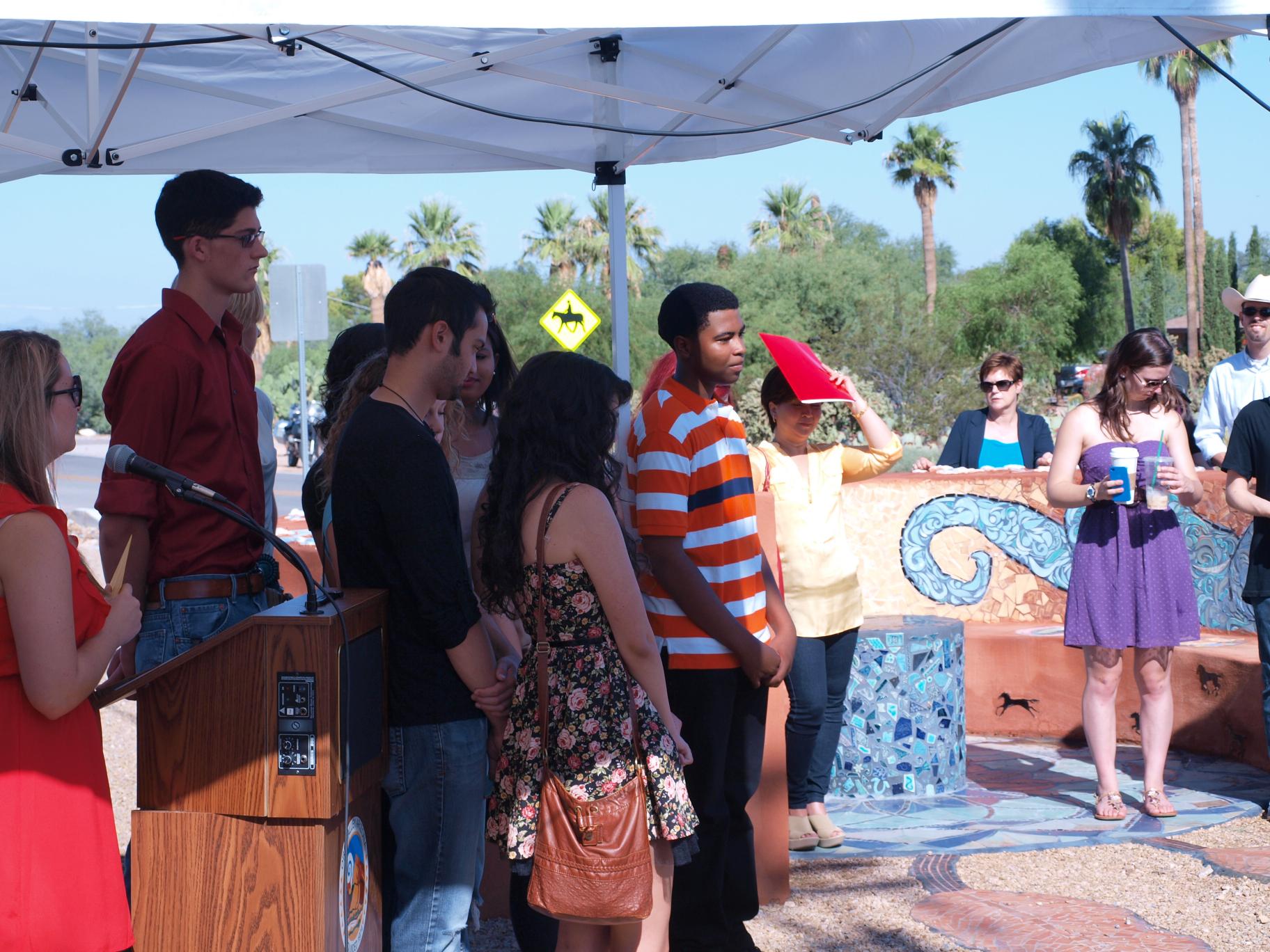
Beyond the visual impact, the project served as a workforce development program. Students gained hands-on training in mosaic tile work, sculptural design, and large-scale installation, while also developing organizational skills, teamwork, and project management experience. They presented their concepts to the Oro Valley Town Council, engaged with local residents and businesses, and applied practical skills such as measurement, geometry, and material estimating. For many participants, this project provided their first professional work experience and wages that supported their education.
The 2012 TABY project remains one of Oro Valley’s most celebrated community collaborations, weaving together art, heritage, and public space into a lasting “Path of Dreams” that continues to reflect the identity and spirit of the town.

Transportation Art by Youth – Oro Valley 2008

In summer 2012, the Transportation Art by Youth (TABY) program, produced by the Pima Association of Governments in partnership with the Town of Oro Valley and the Southern Arizona Arts & Cultural Alliance, created a landmark public artwork at the intersection of Hardy Road, Northern Avenue, and Camino de Anza. Titled “Paseo de los Sueños – Path of Dreams,” the project celebrated Oro Valley’s equestrian, pedestrian, and cycling culture while creating a functional gathering space for multimodal travelers.
Under the mentorship of teaching artist Carolyn King, with collaboration from Susan Gamble and Santa Theresa Tile Works, eleven youth apprentices—Mercer Kieran, Dane Anderson, Michael Futch, Lovasia Holley, Evangeline Kyle, Alexandra Greer, Alyssa Adams, Amerillis Beager, Katelin McCabe, Haley Roberts, Kelsey Hamilton, and Liddell Braxton—worked for nine weeks to design and build a sculptural oasis that integrated mosaic tile, hand-painted ceramic elements, and seating features. The artwork tied into the equestrian heritage of the surrounding neighborhoods, while also honoring Northern Avenue’s role as a favored cycling route and Sun Shuttle corridor.
The installation became a true “gateway of storytelling,” abstractly representing Oro Valley’s active lifestyle and natural surroundings. By incorporating vibrant color, handmade tile, and mixed media, the students created a contemplative and welcoming node for residents, cyclists, equestrians, and pedestrians alike.
Beyond the visual impact, the project served as a workforce development program. Students gained hands-on training in mosaic tile work, sculptural design, and large-scale installation, while also developing organizational skills, teamwork, and project management experience. They presented their concepts to the Oro Valley Town Council, engaged with local residents and businesses, and applied practical skills such as measurement, geometry, and material estimating. For many participants, this project provided their first professional work experience and wages that supported their education.
The 2012 TABY project remains one of Oro Valley’s most celebrated community collaborations, weaving together art, heritage, and public space into a lasting “Path of Dreams” that continues to reflect the identity and spirit of the town.

The Southern Arizona Arts & Cultural Alliance is now Art State Arizona

Subscribe To Our Weekly Newsletter

Get notified about new events, artist opportunities, and free arts experiences